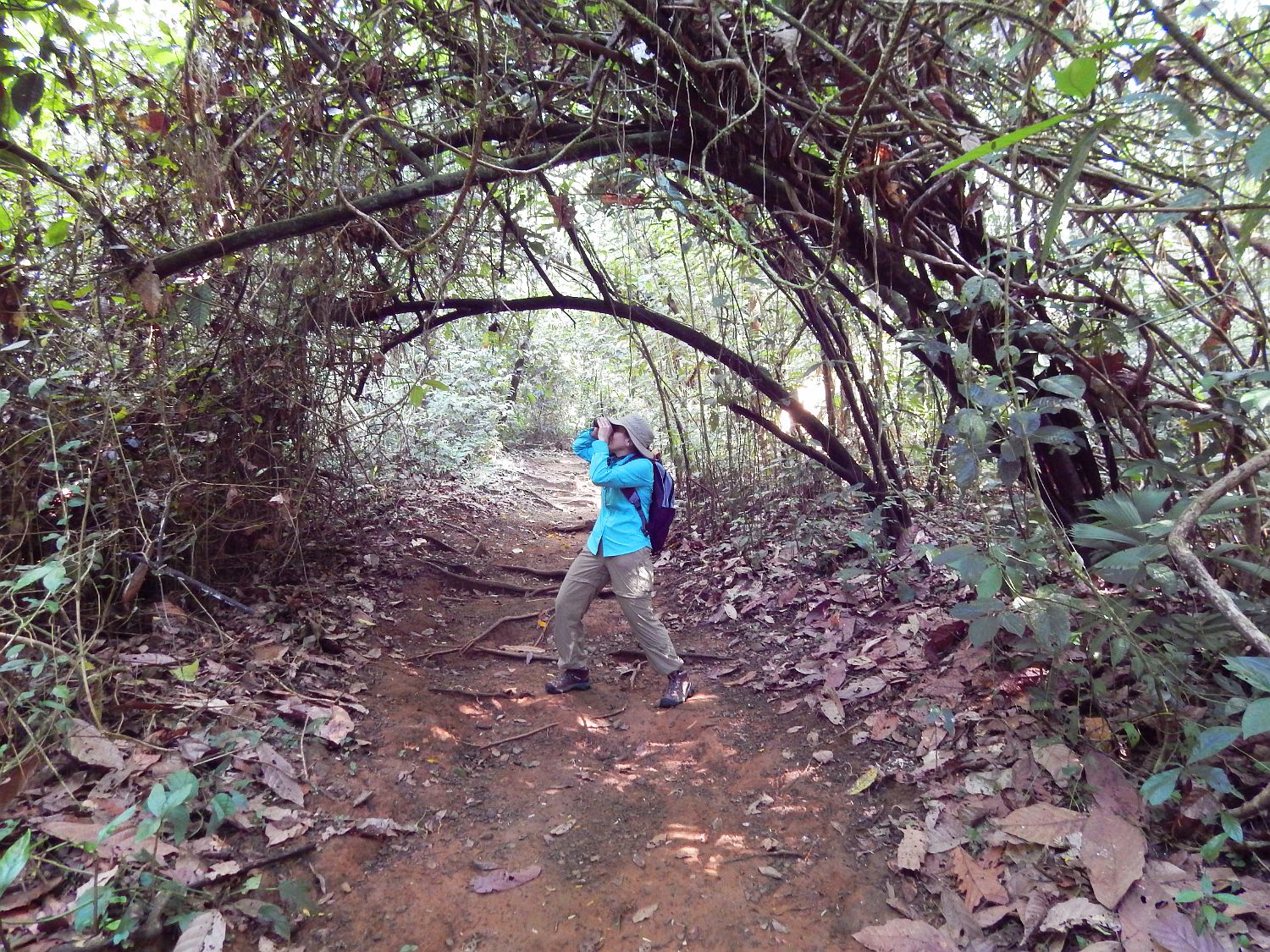
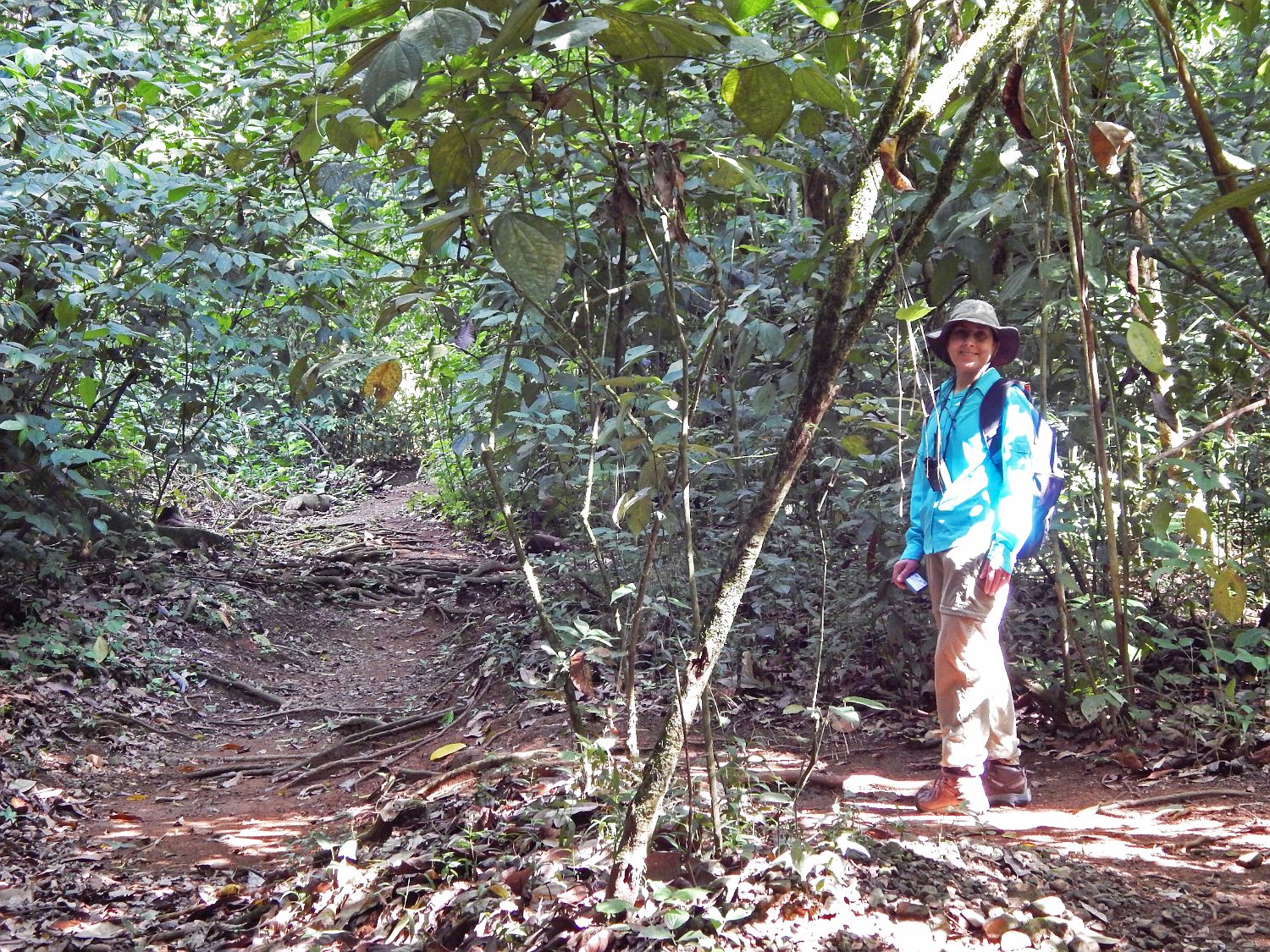
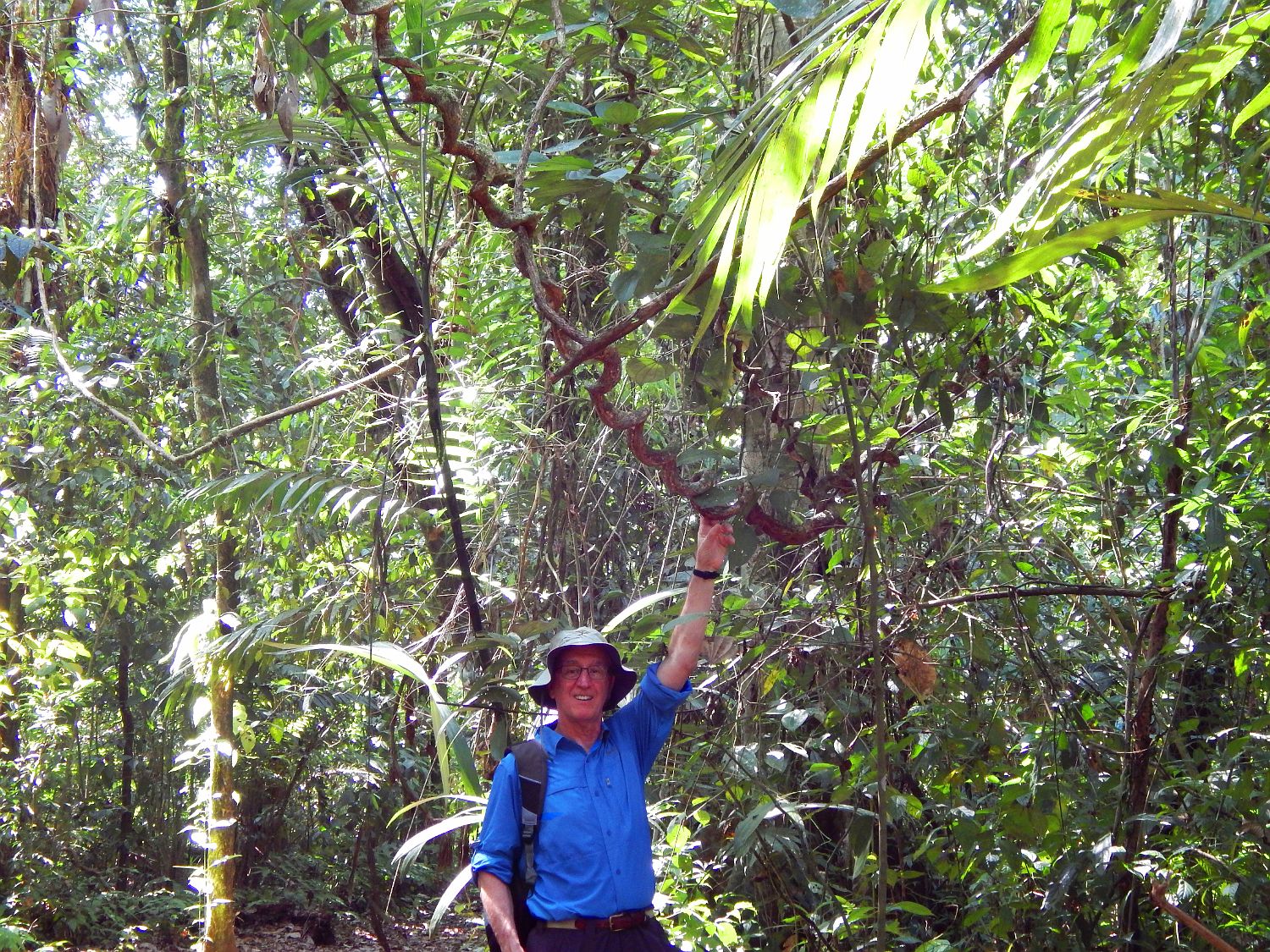
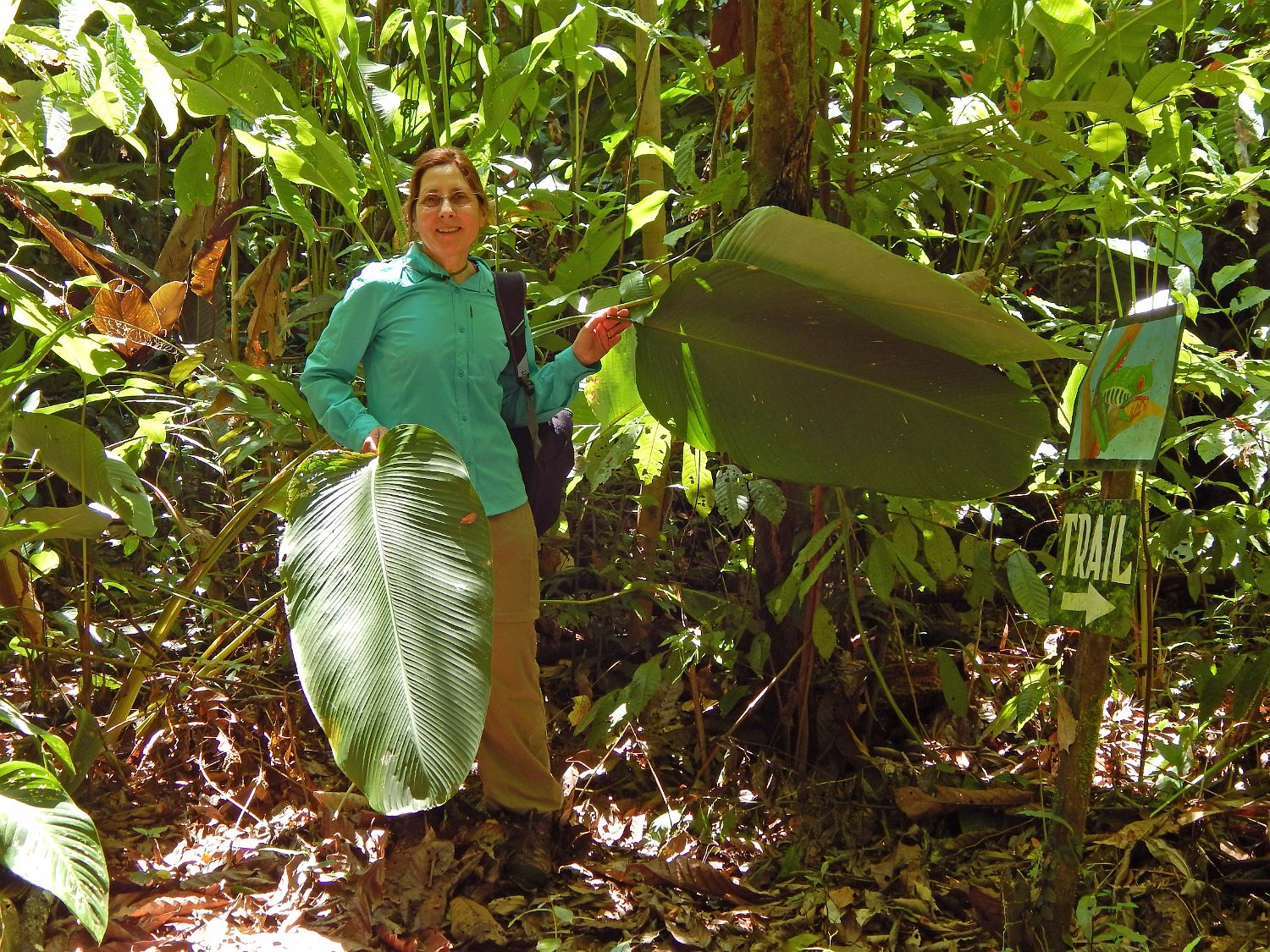
Nicuesa had an extensive network of trails through the rainforest.
1
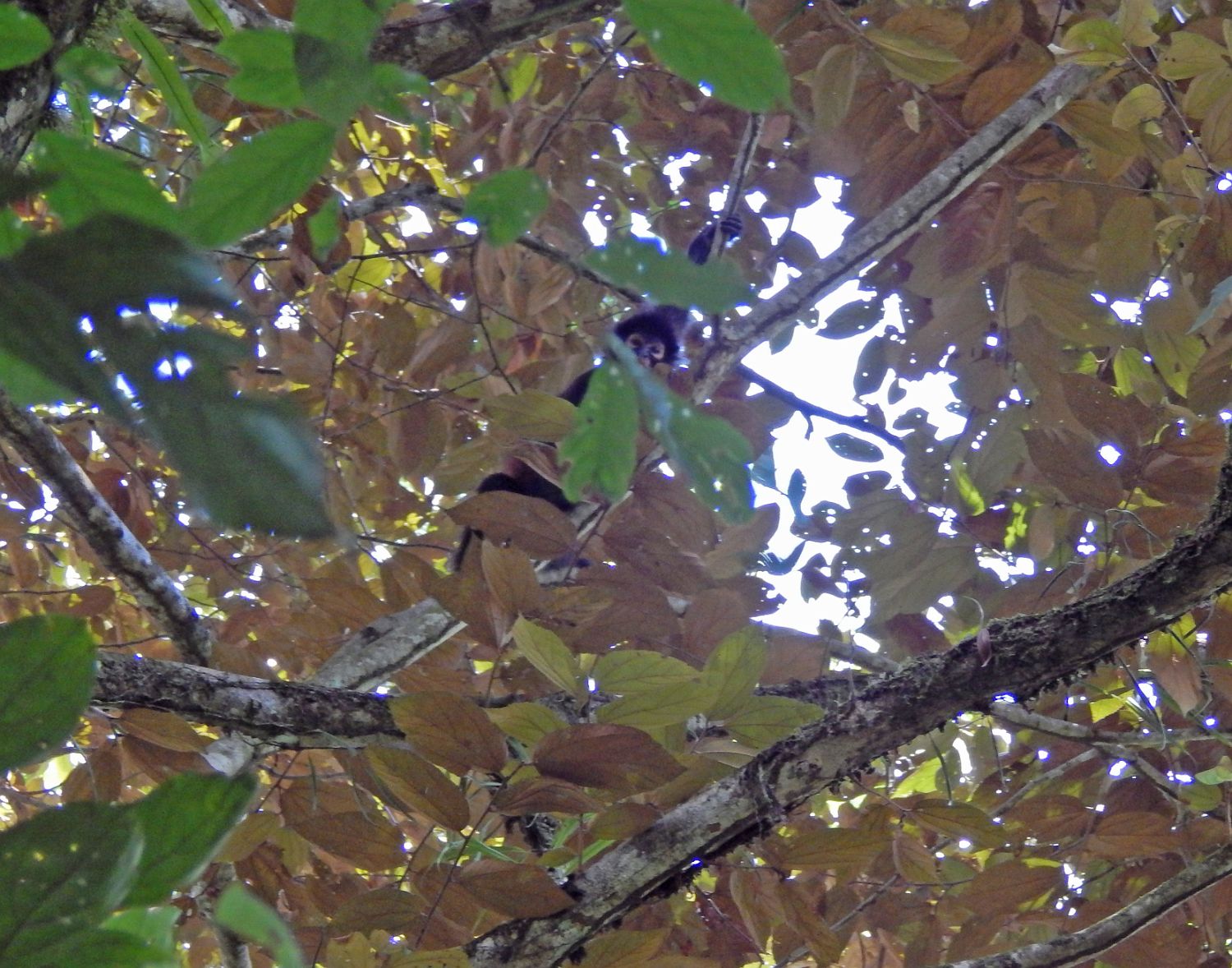
2 Monkeys were hard to sight because they kept high. Here's a "howler."
3
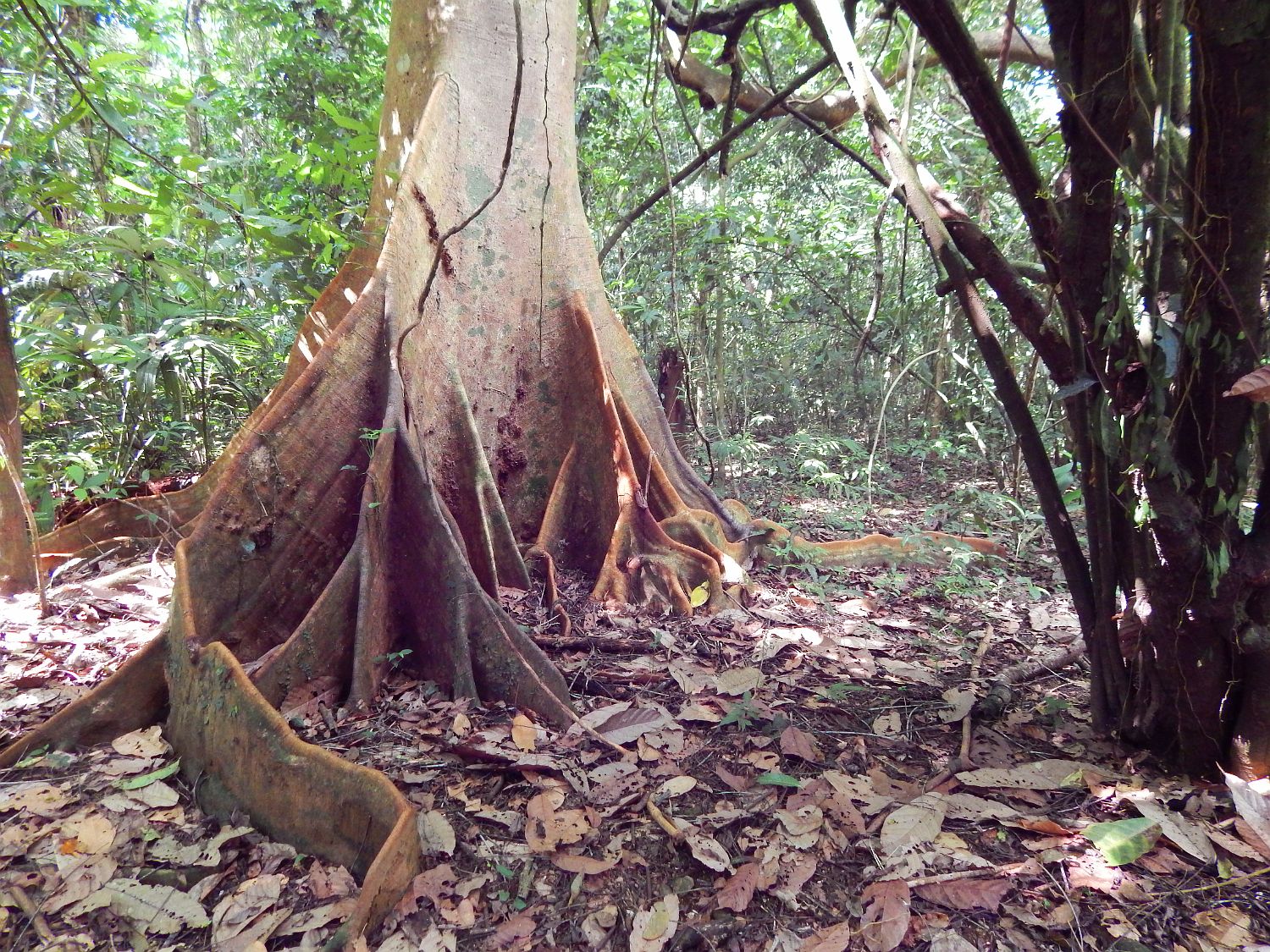
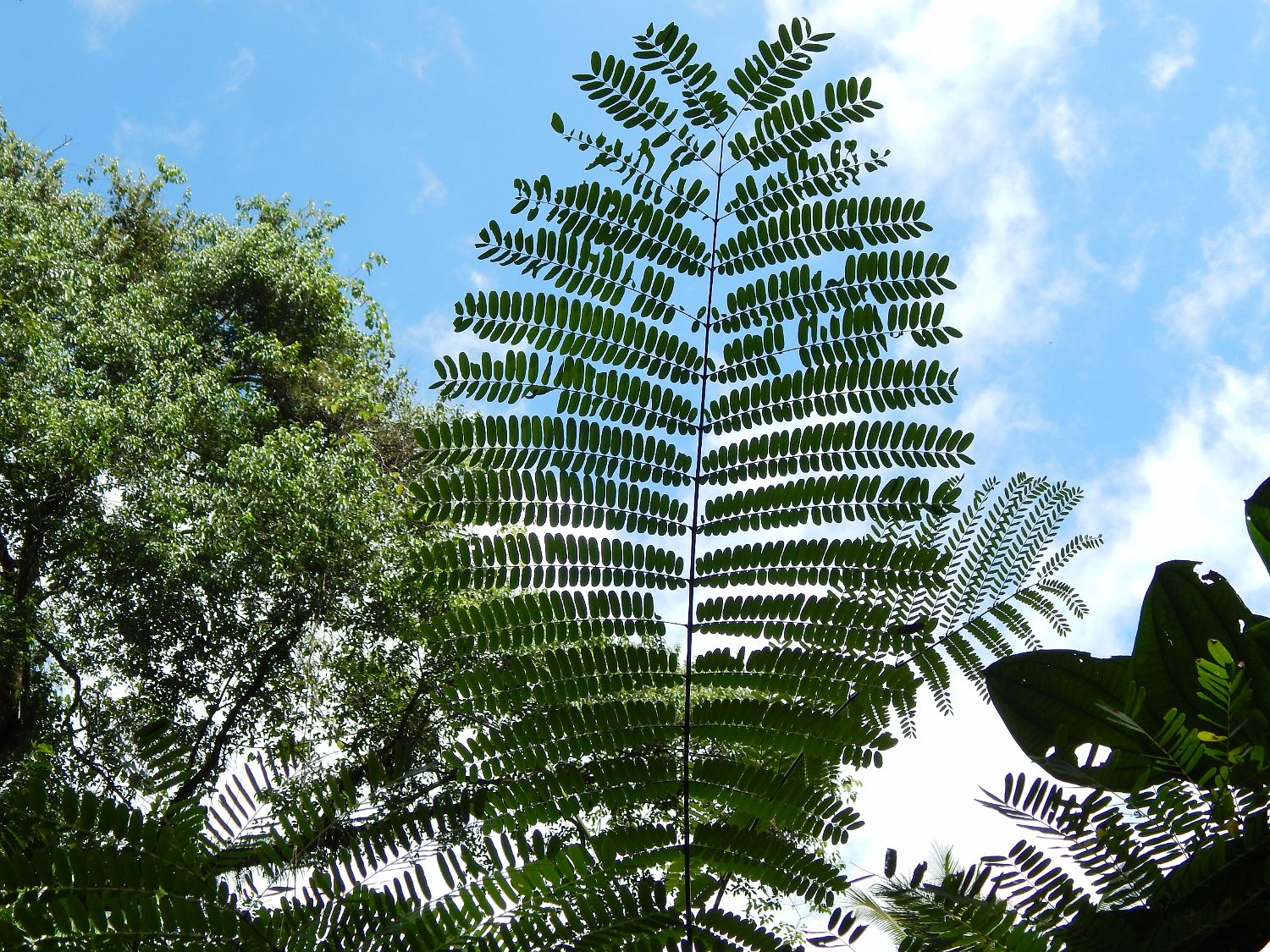
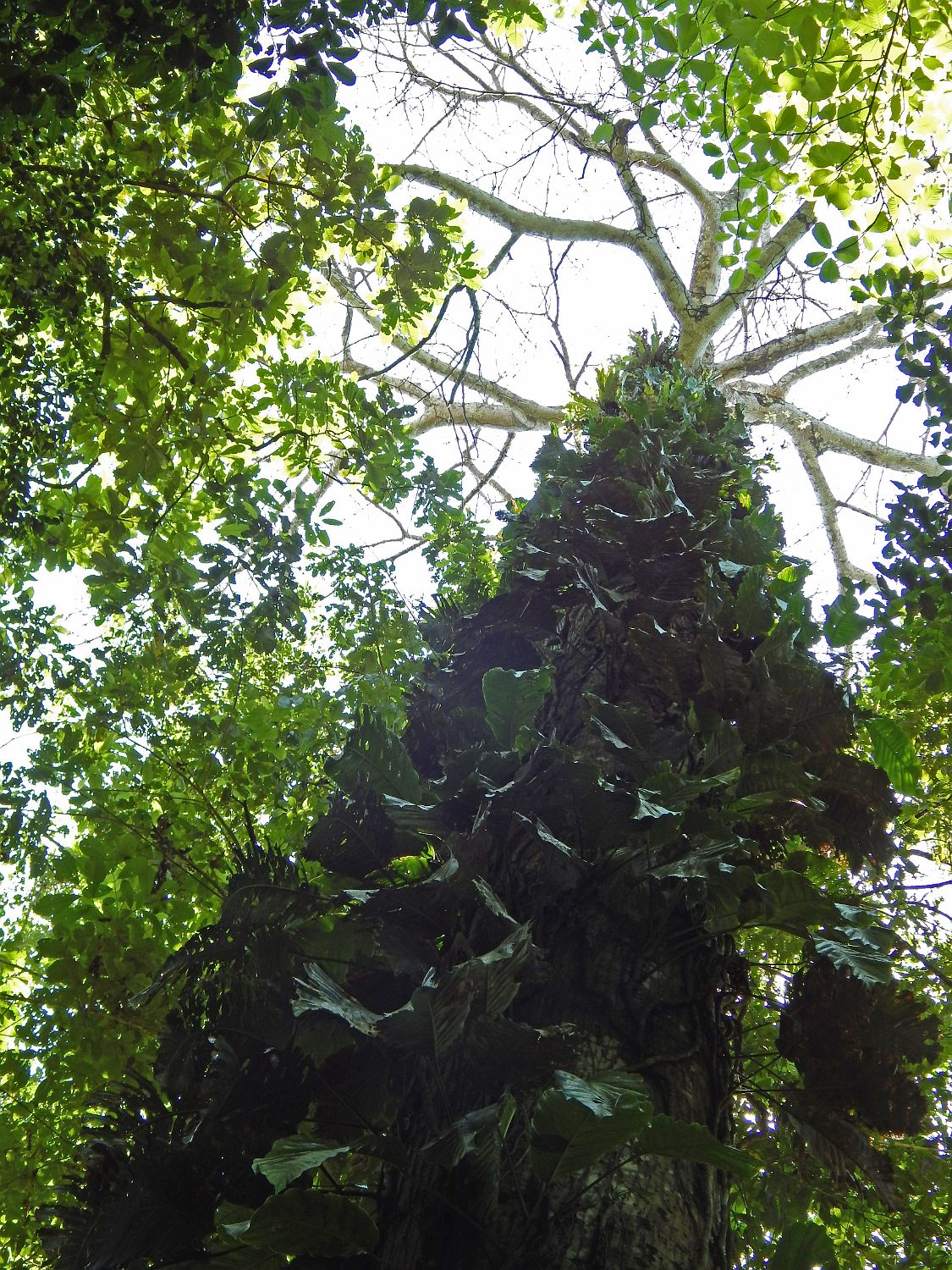
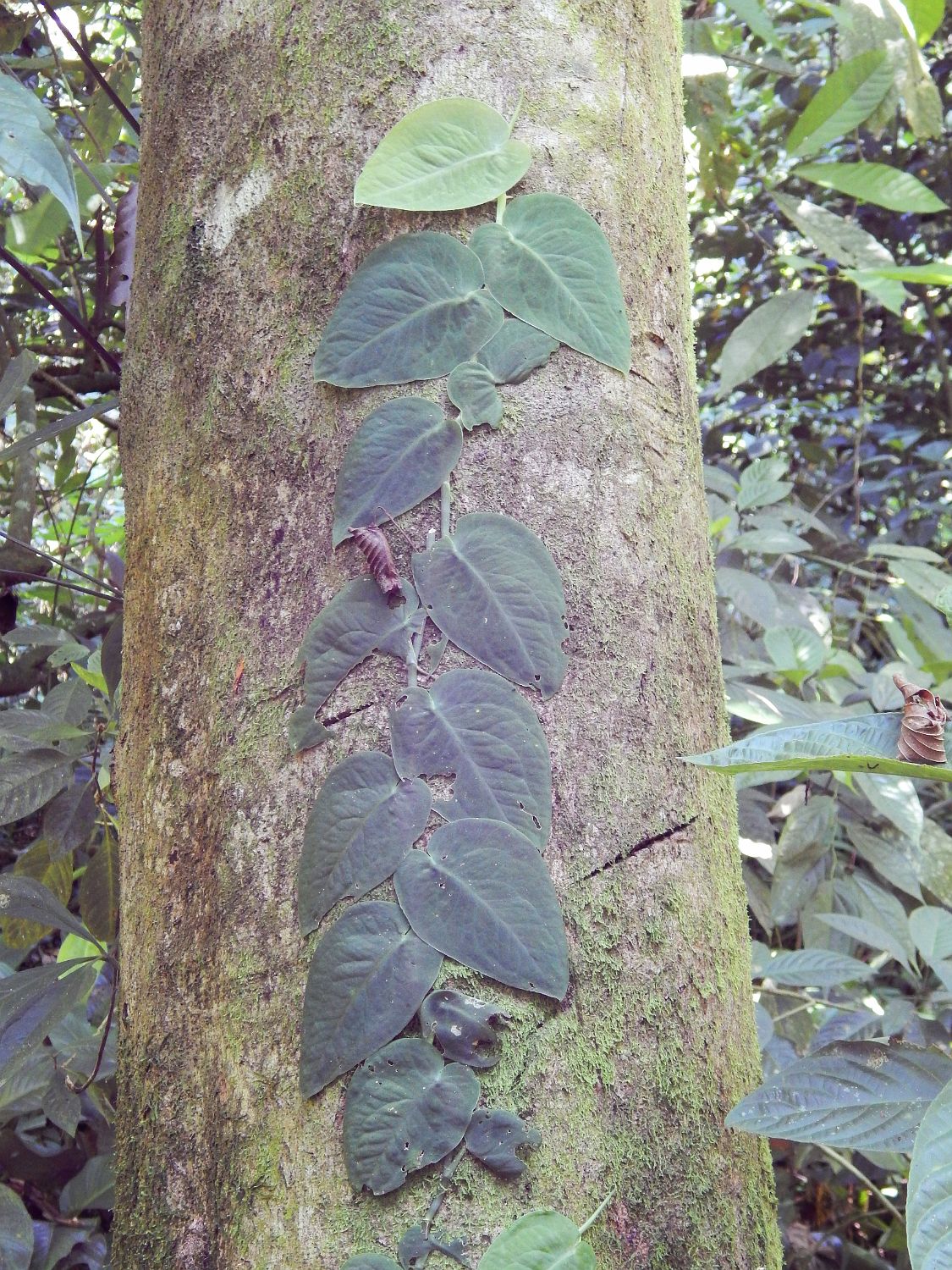
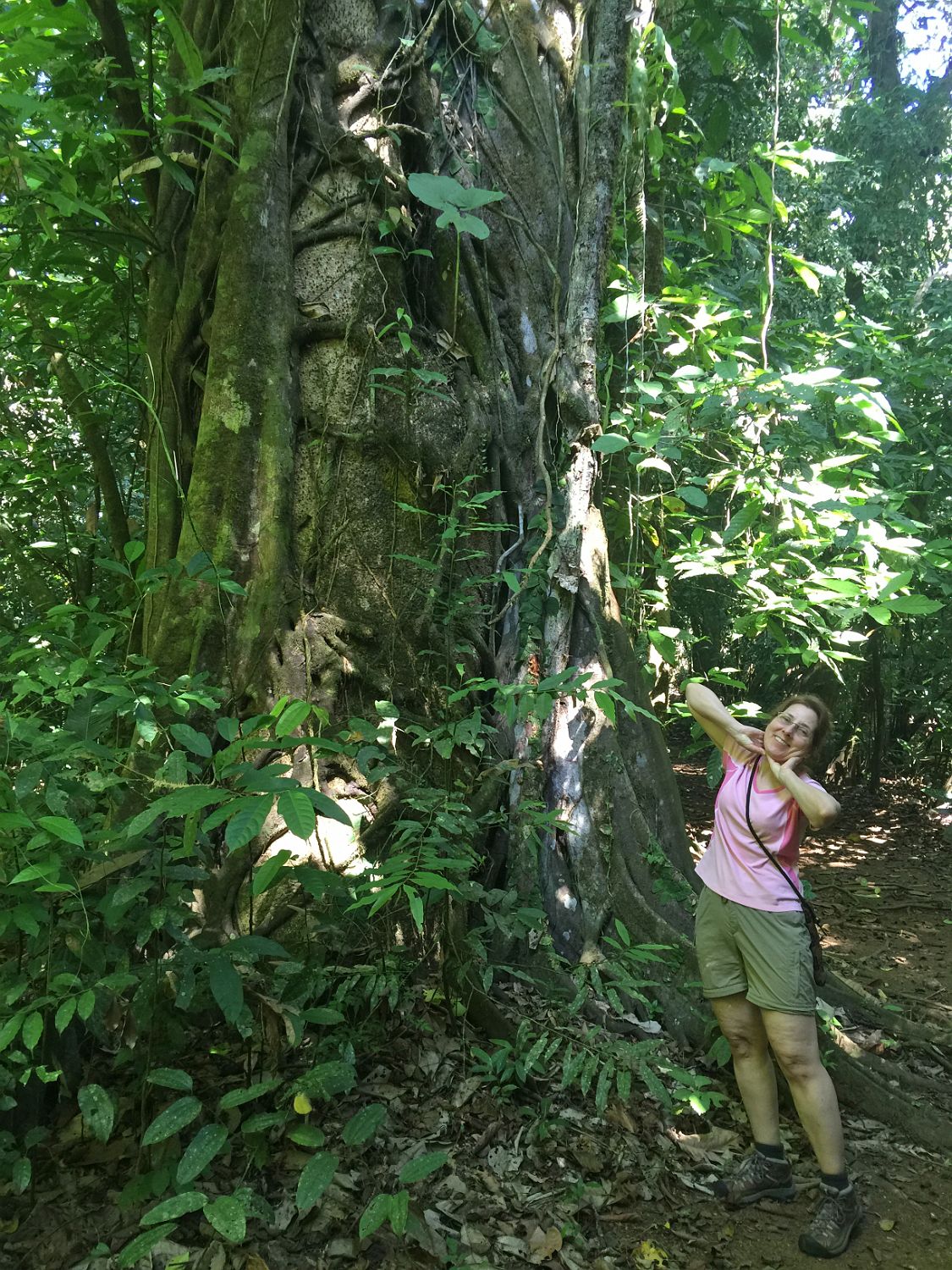
4 While critters were hard to spot, we were struck by the complex interdependence and incredible variety of vegetation in the rainforest, much of which we learned on our led tours. This tree, for example, frequently shed its bark so that predator vines could not cling.
5
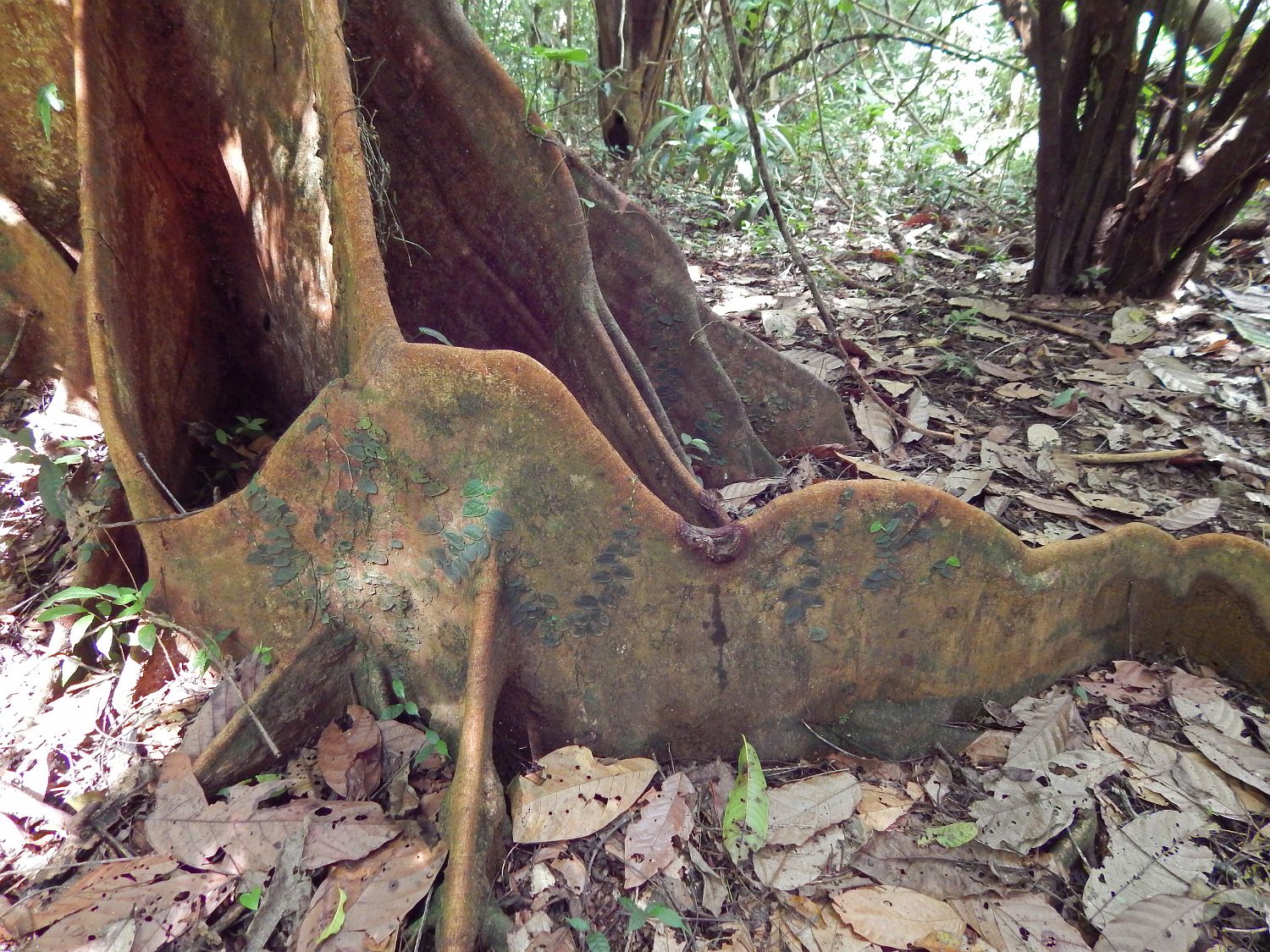
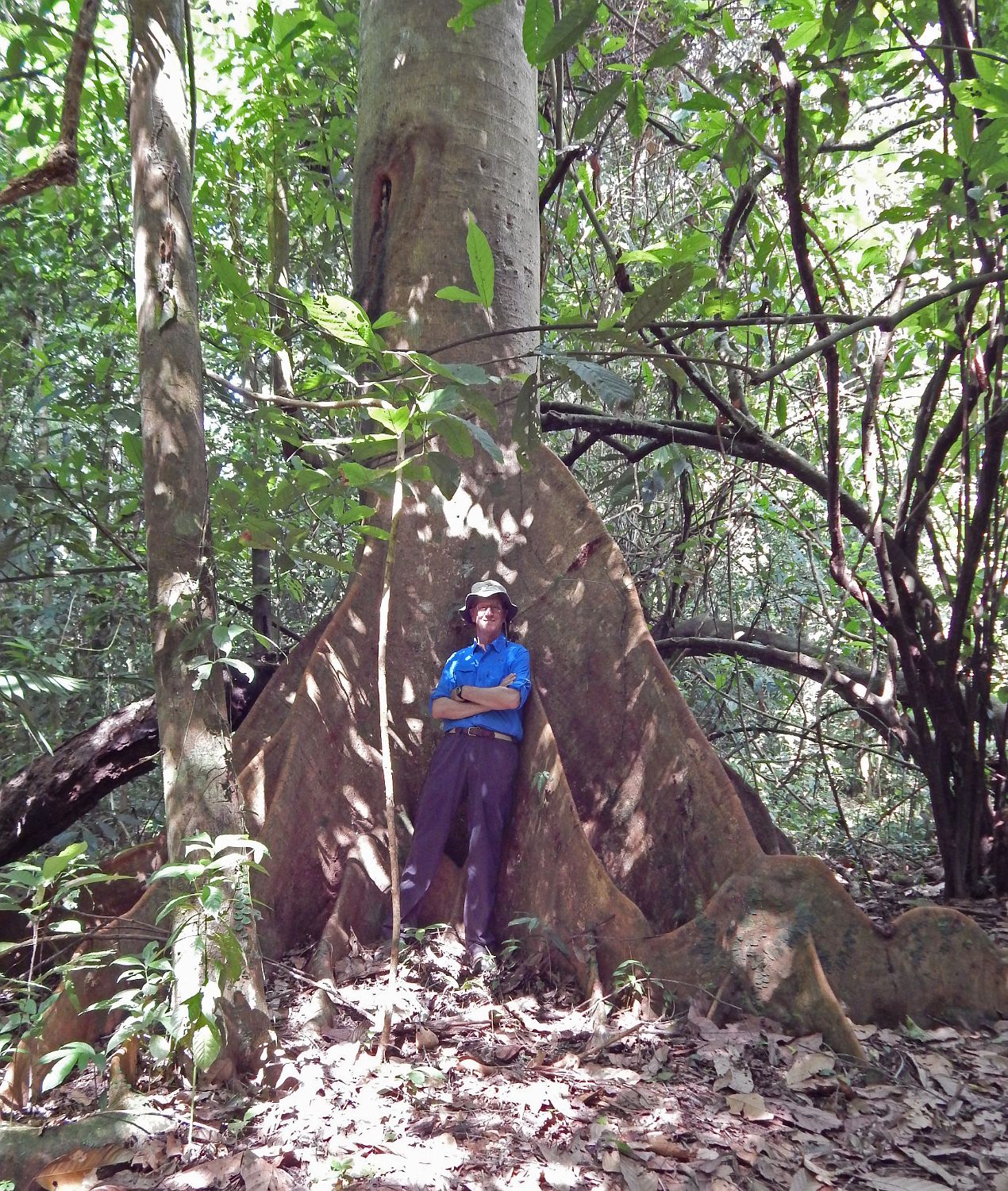
6 As our guide pointed out, a realtively safe place to sleep if you became lost in the rainforest.
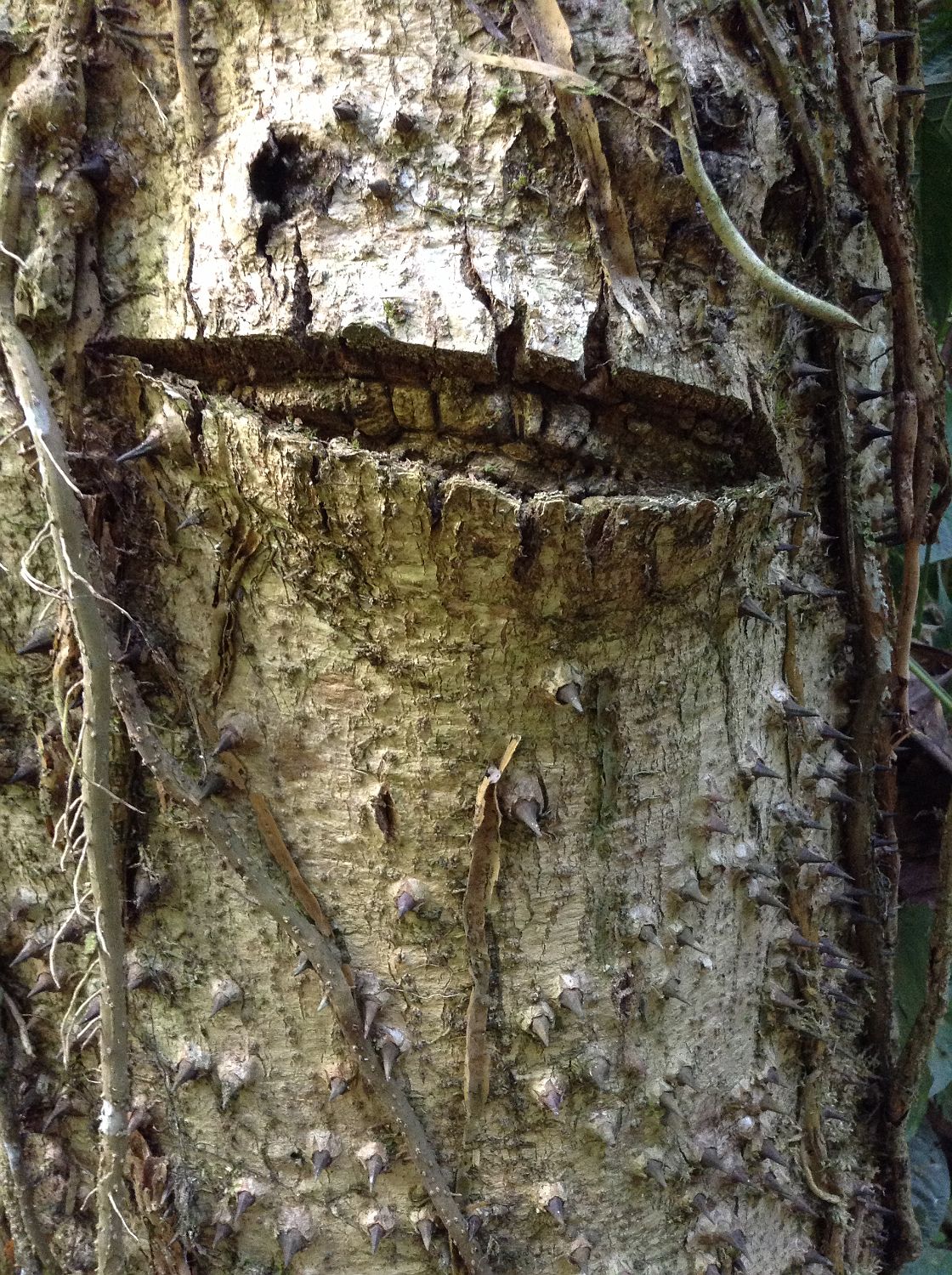
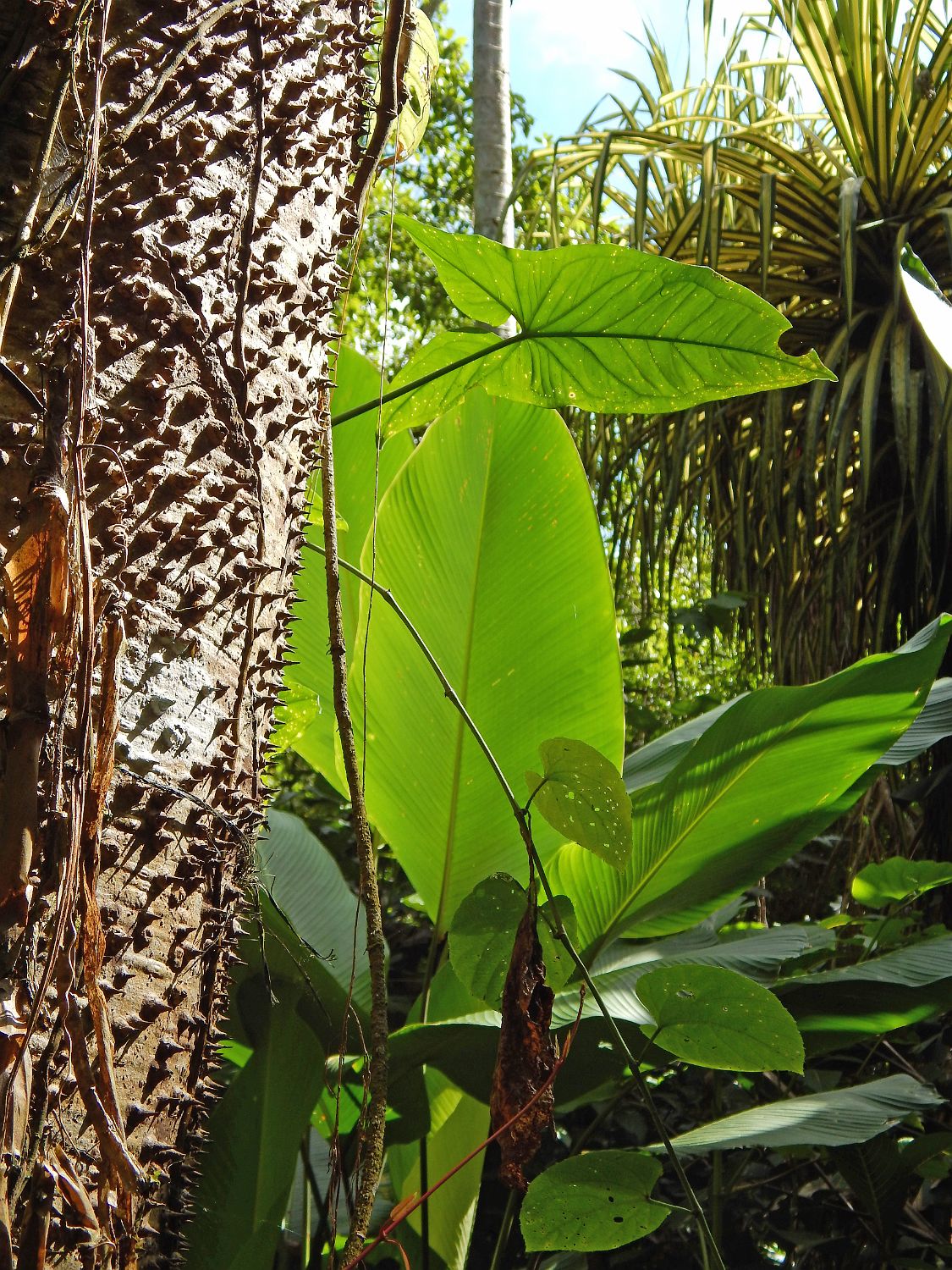
7 Locals are wary of these thorns. A machete cut can send these poisonous thorns into their eyes - no fun! The sap was so toxic that the indigenous natives would place the bark in rivers to stun the fish.
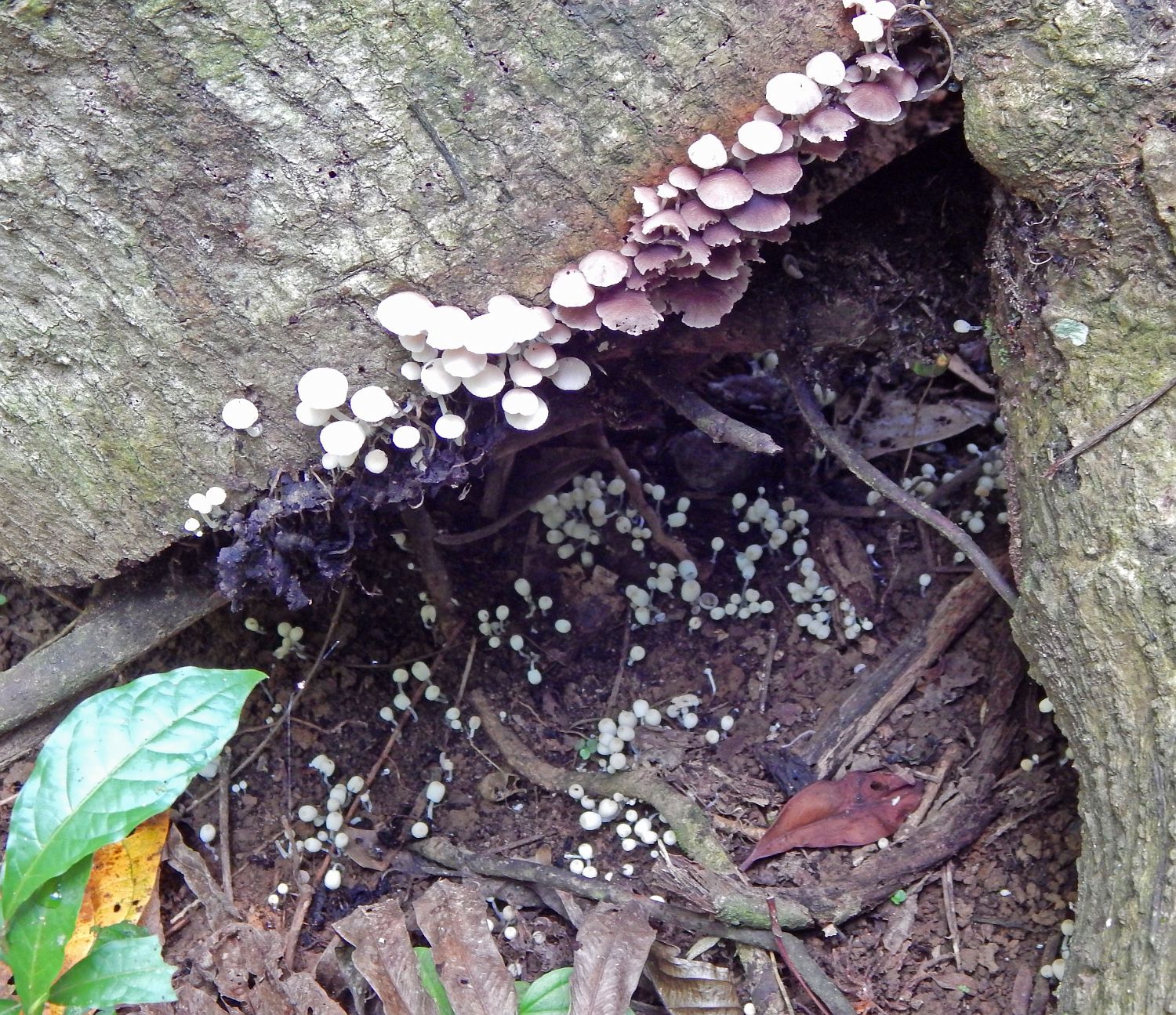
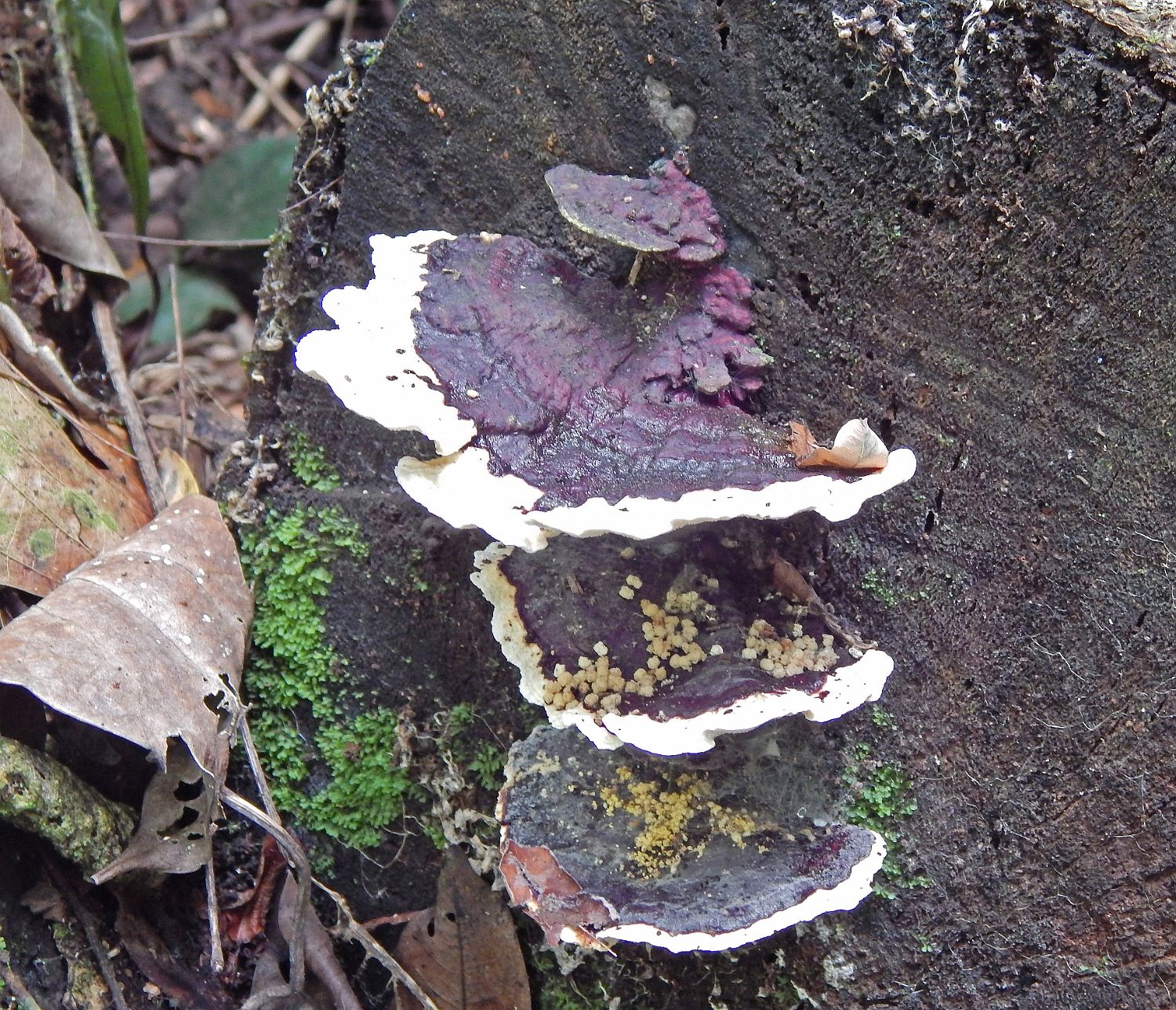
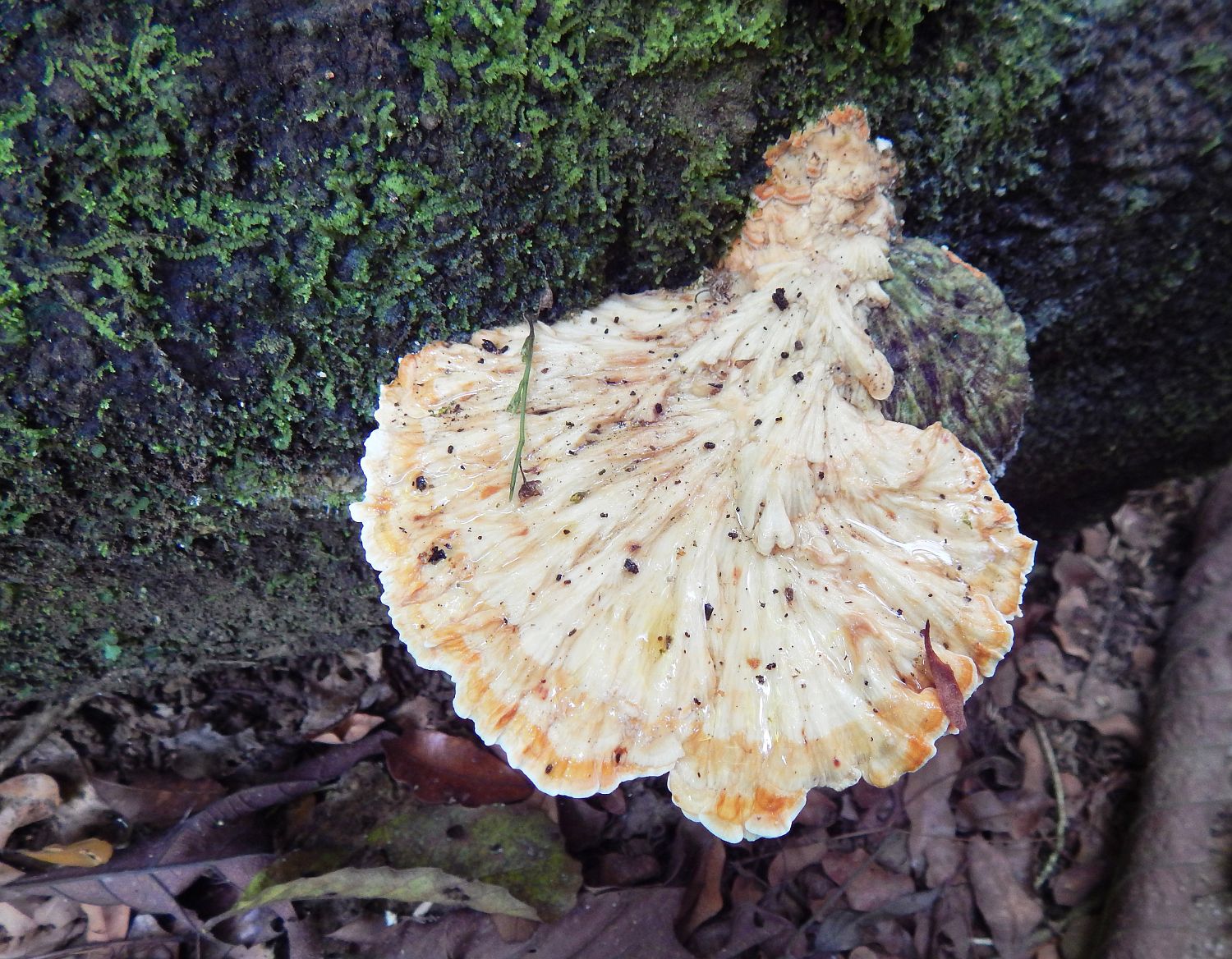
8 As per our guide Andreas, "95% of the fungus was edible, but only once!" (Meaning, you could eat it, but not survive for further feasts.)
9
10
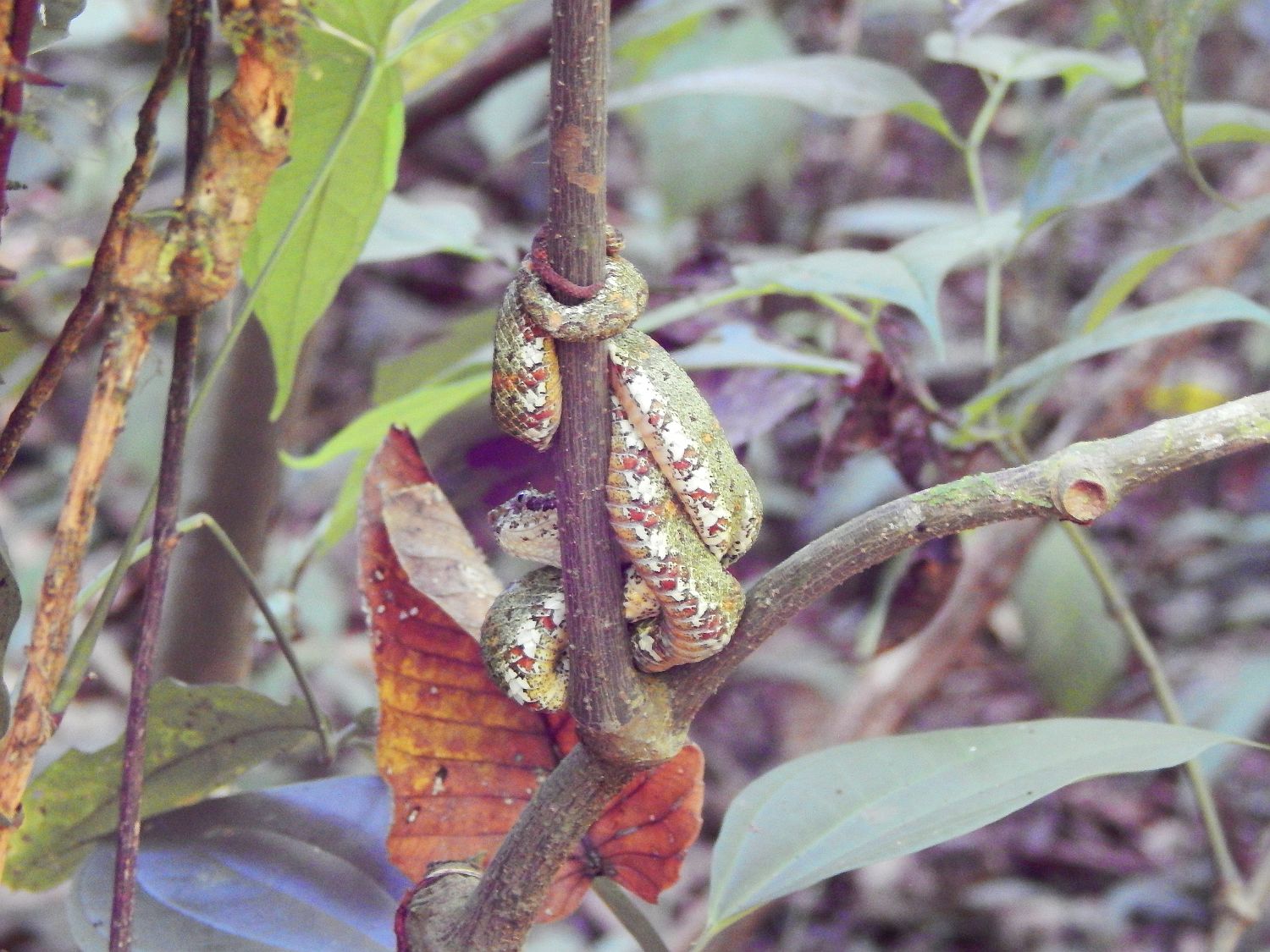
11 Lots of snakes, but well camouflaged, as you can see! This one pointed out to us by the British naturalist tour.
12
13
14
15
16
17
18
19
20
21
22 Strangler fig vines. They start as vines climbing a tree, then wrap and strangle the tree about 20' off the ground. As the tree dies, the fig takes over its place and becomes a tree of its own, seeking the sunlight at the canopy.