Kyoto, a historic city with over 1,600 shrines and temples, was Japan's capital from 784 to 1868 AD when the capital was transferred to Tokyo. (Nara was previously the capital from 710 to 784.)
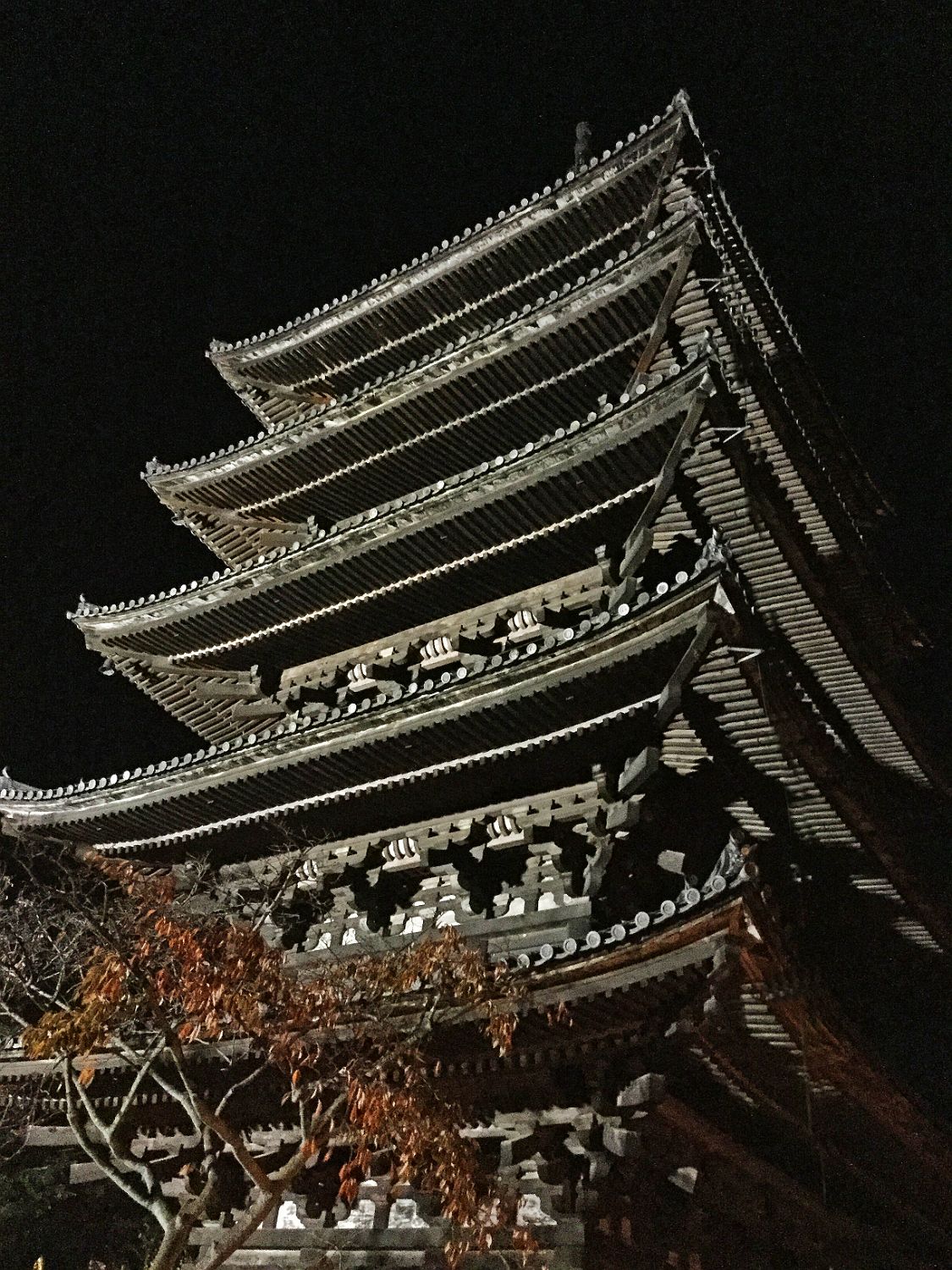
Steph's favorite structure greets us, the To-ji pagoda, near our guest hose.
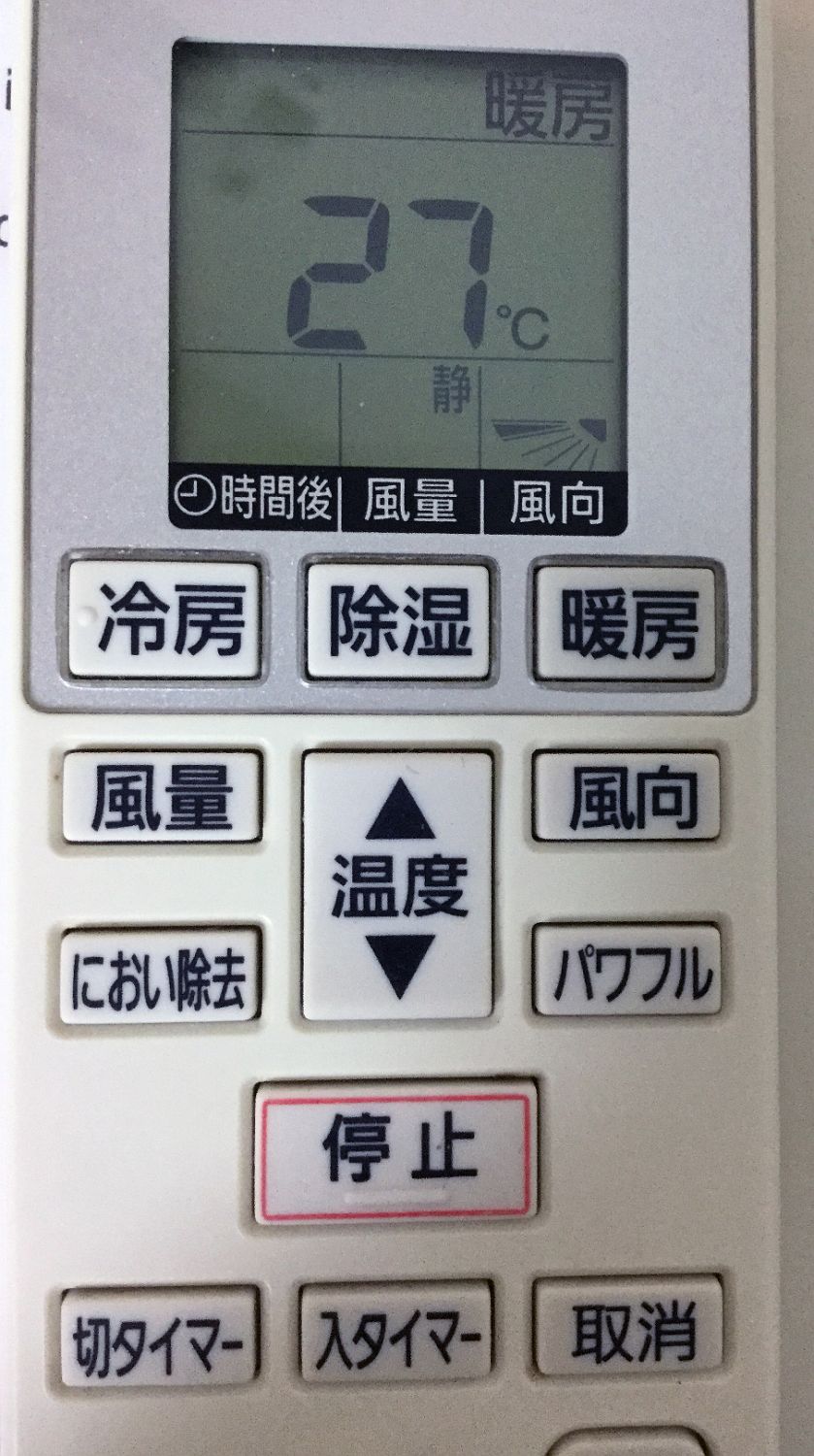
One of the challenges when staying in Japan.
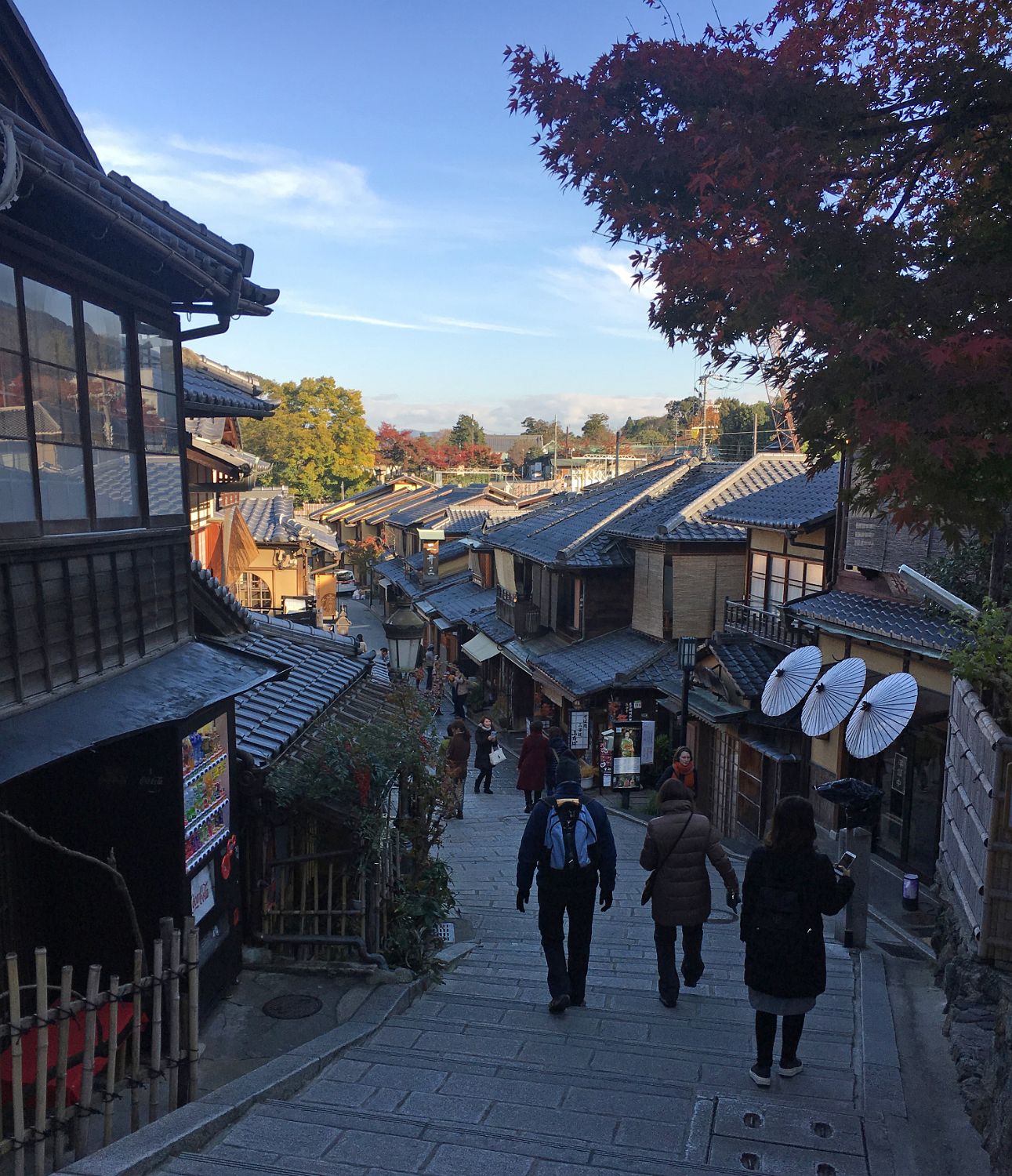
Heading down to our tour.
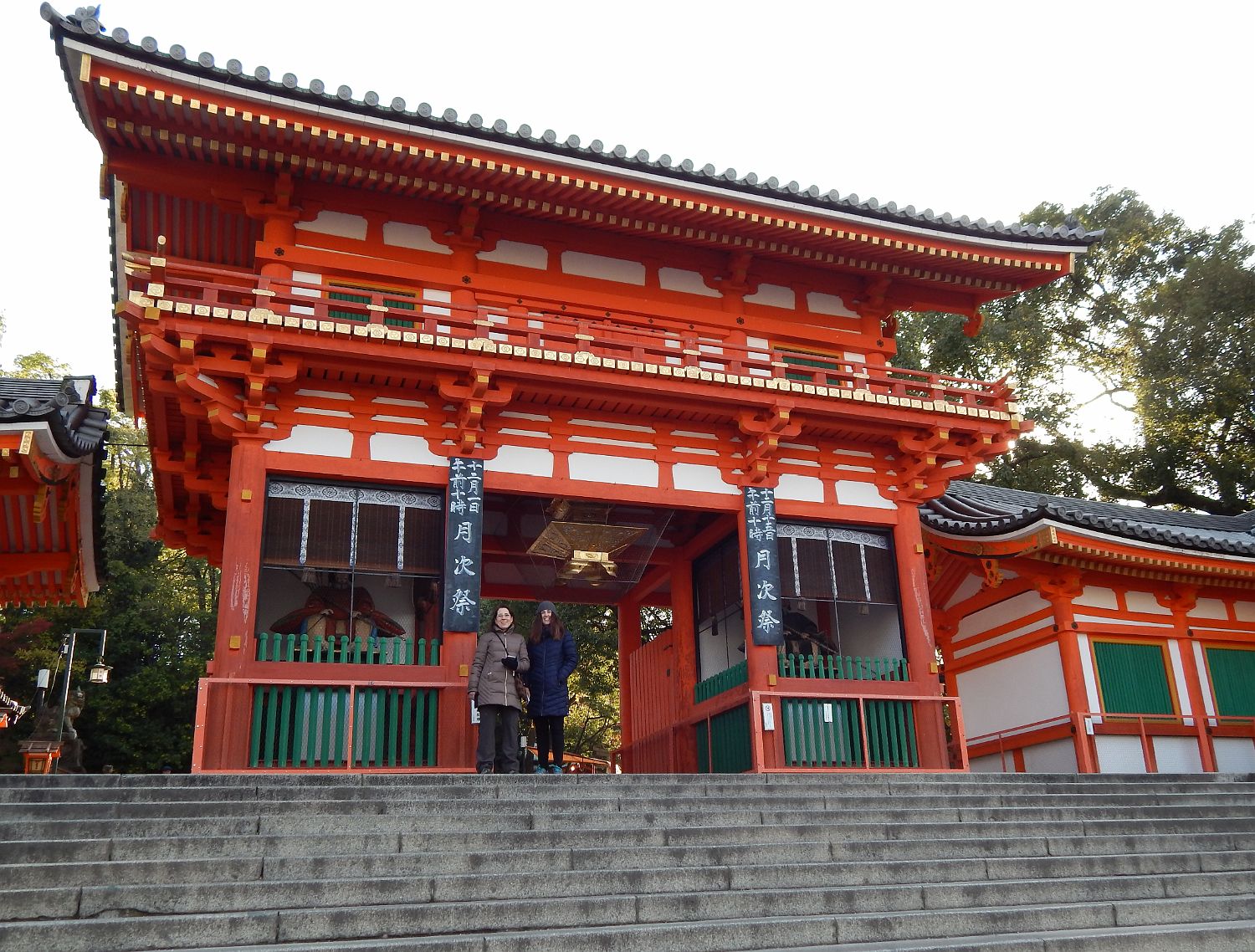
The Yasaka Shrine, a large complex.
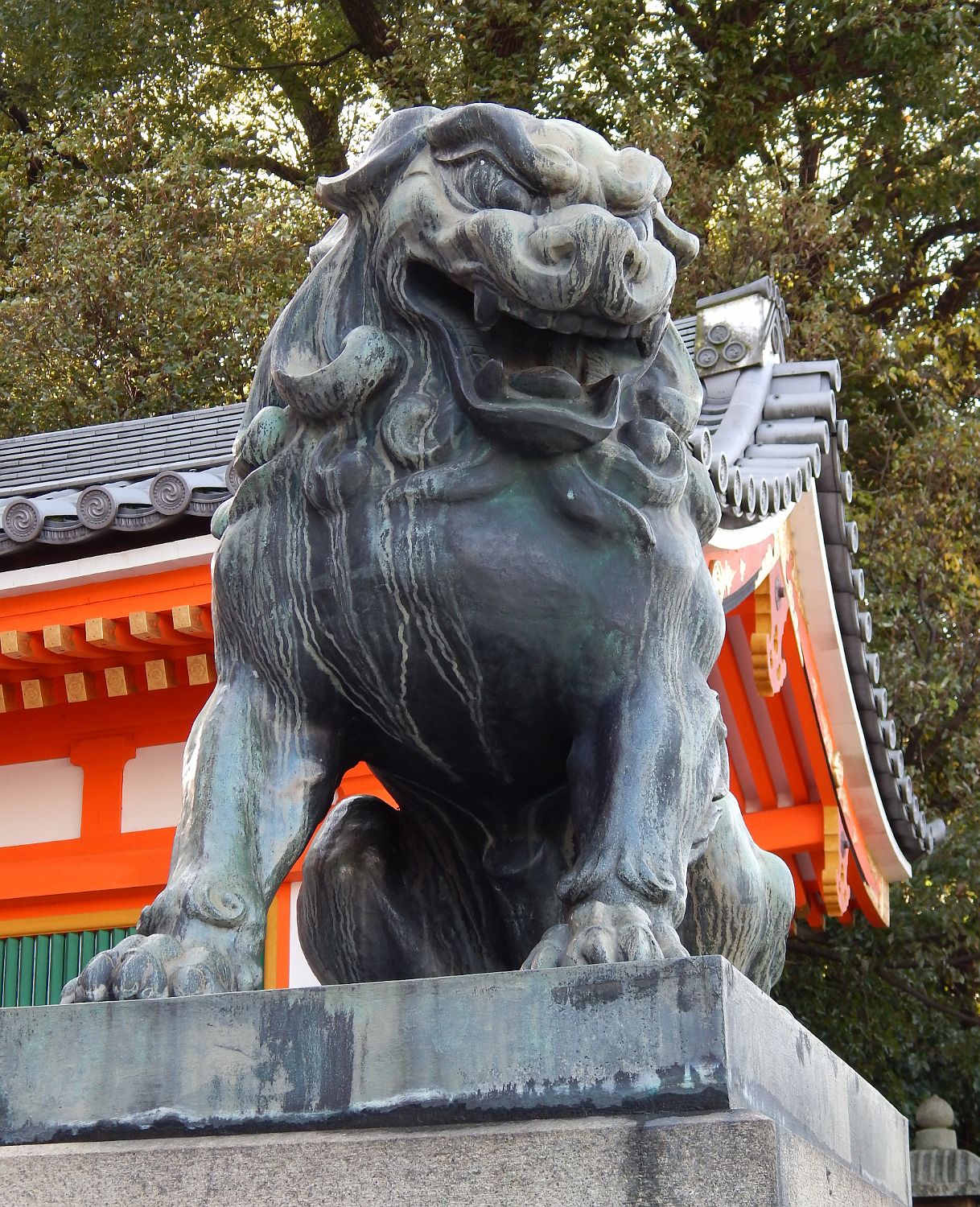
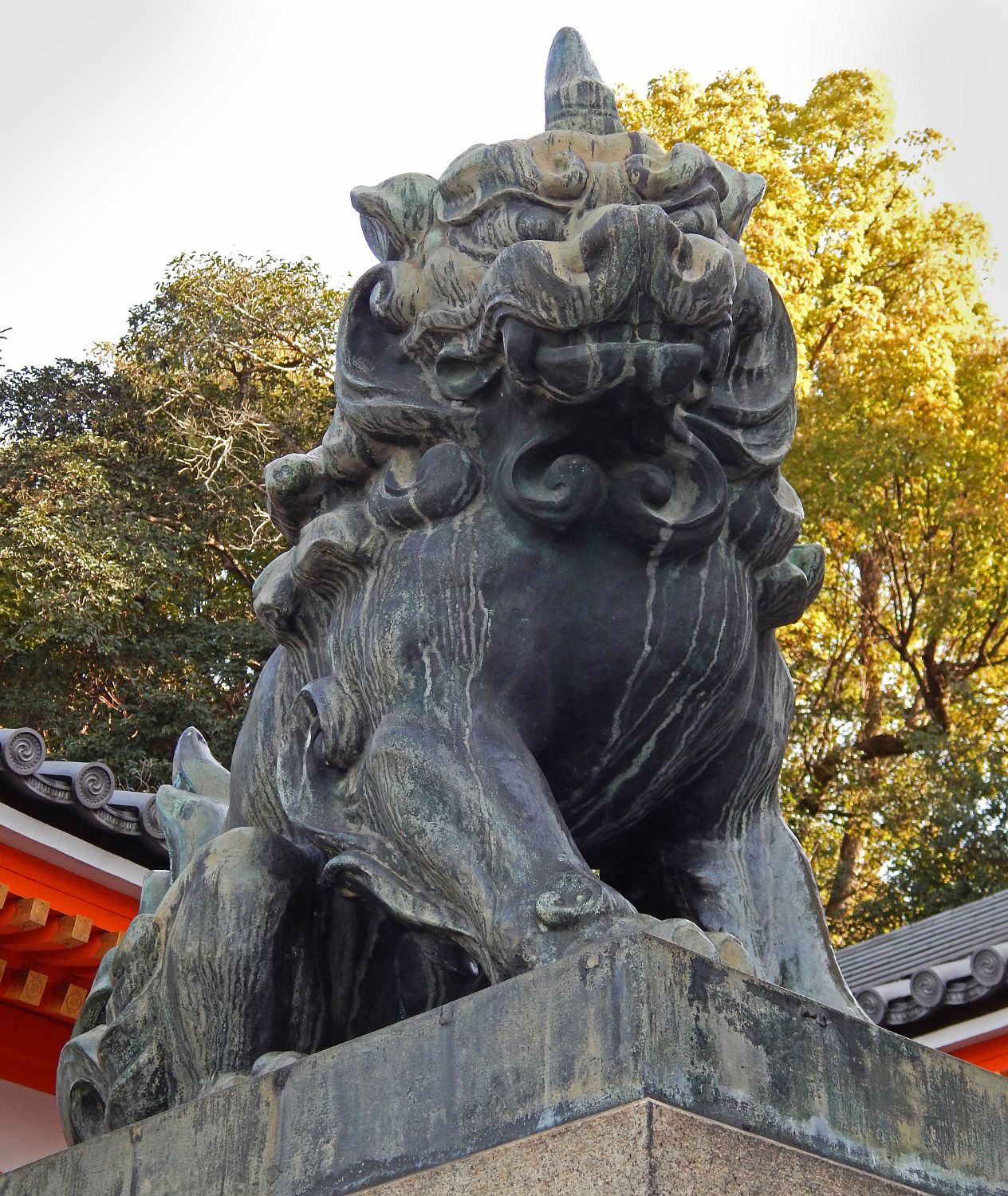
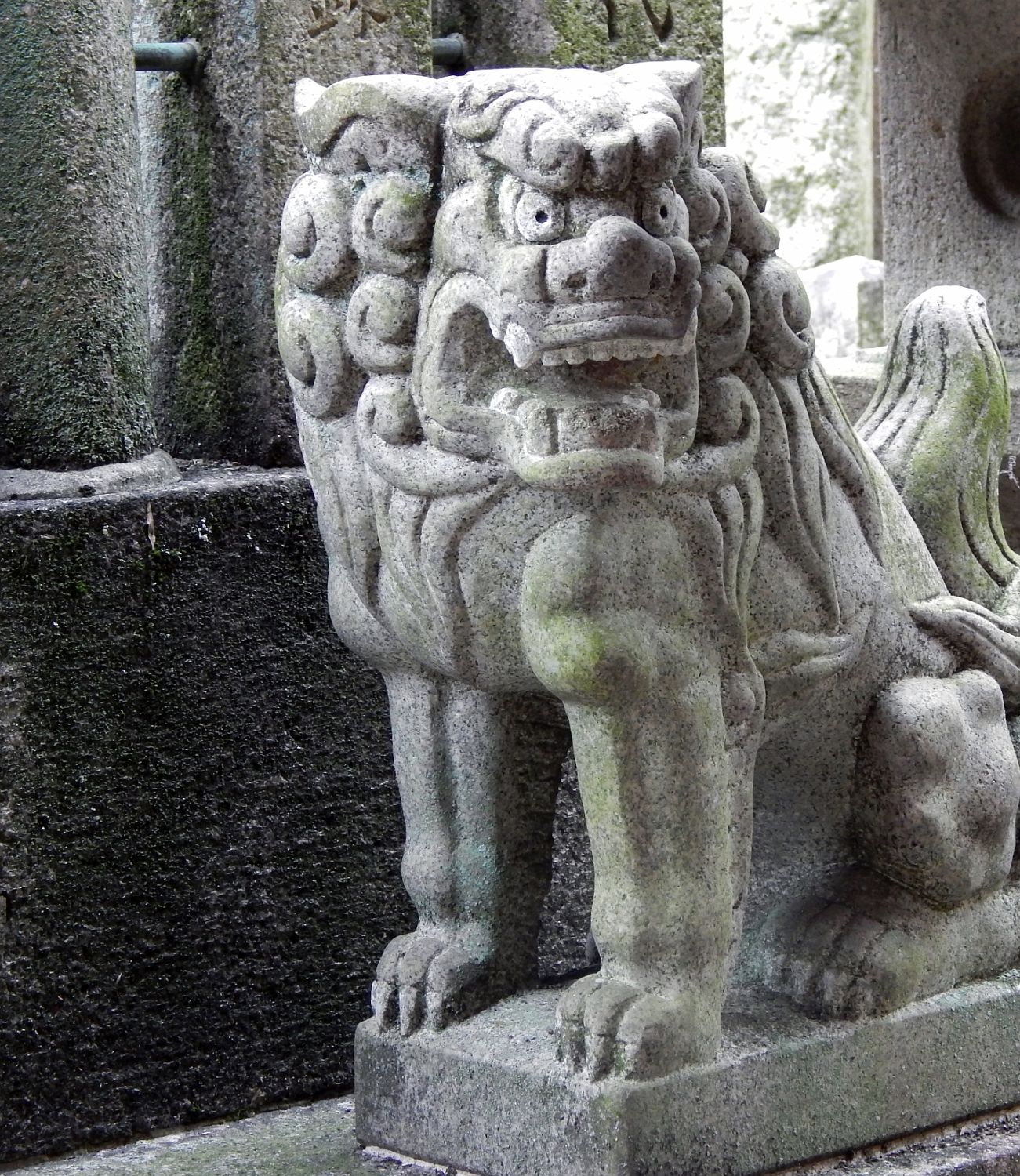
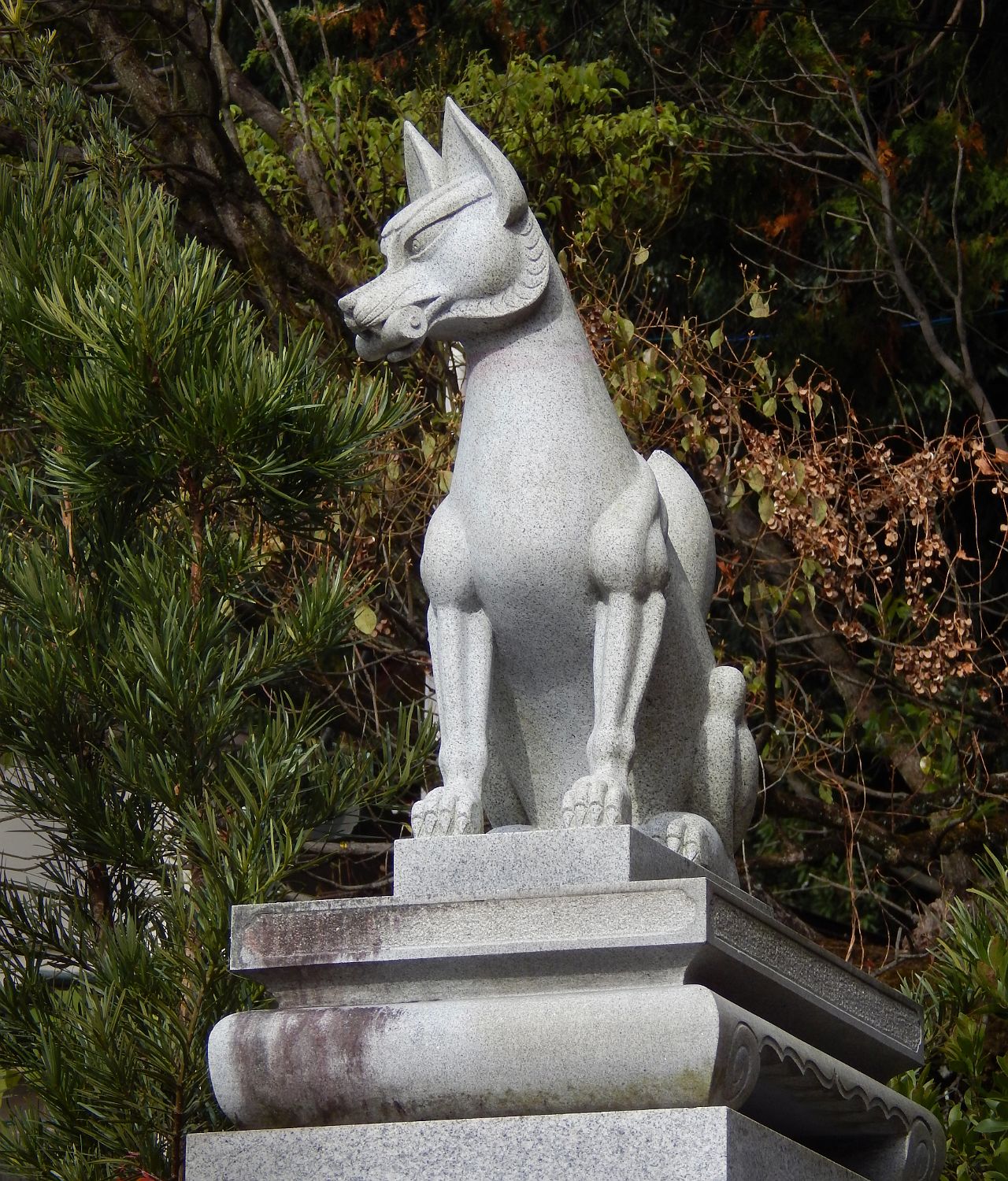
Mouth open represents ones cries as you enter the world. . .
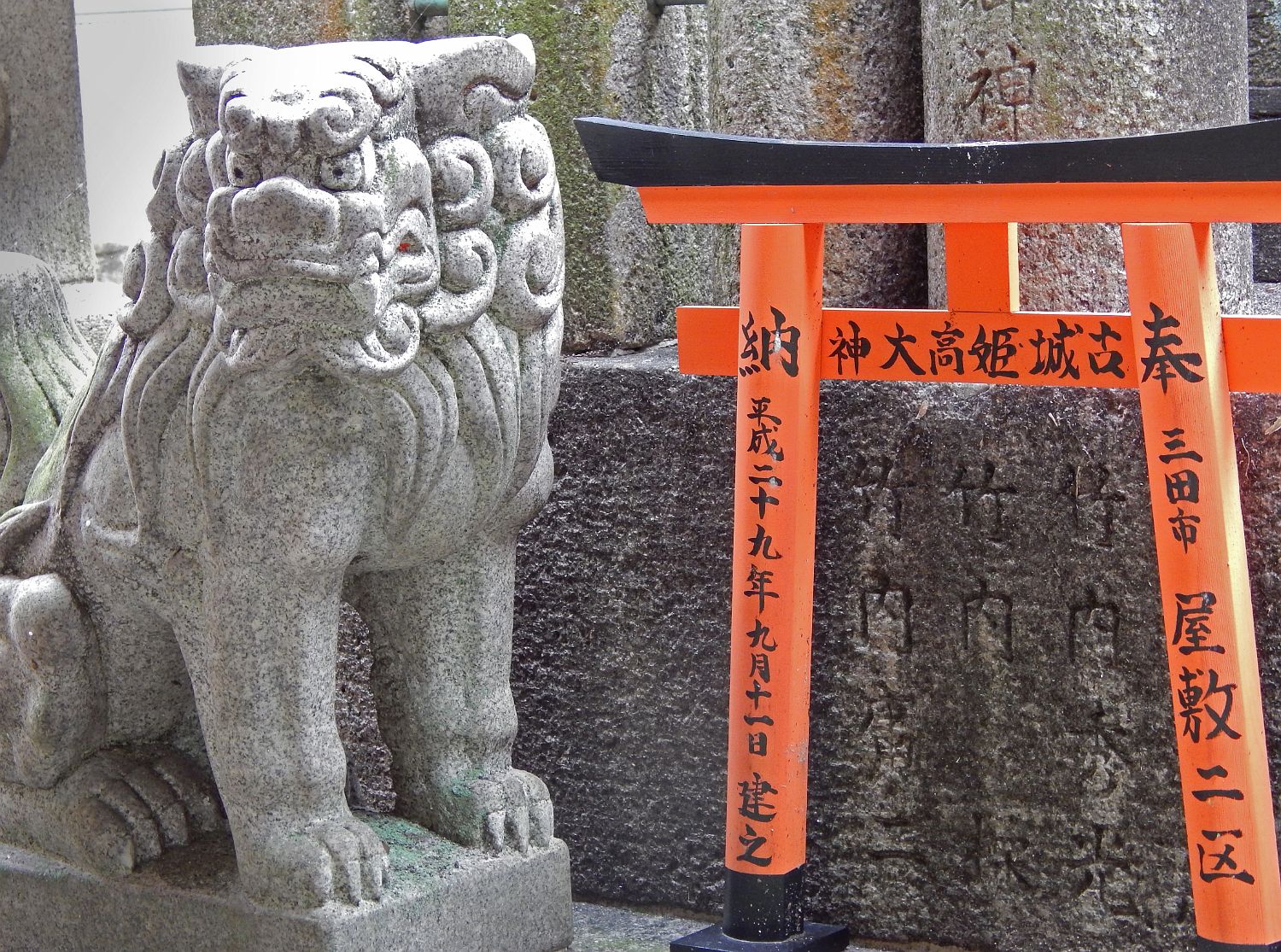
. . .mouth closed represents silence at death.
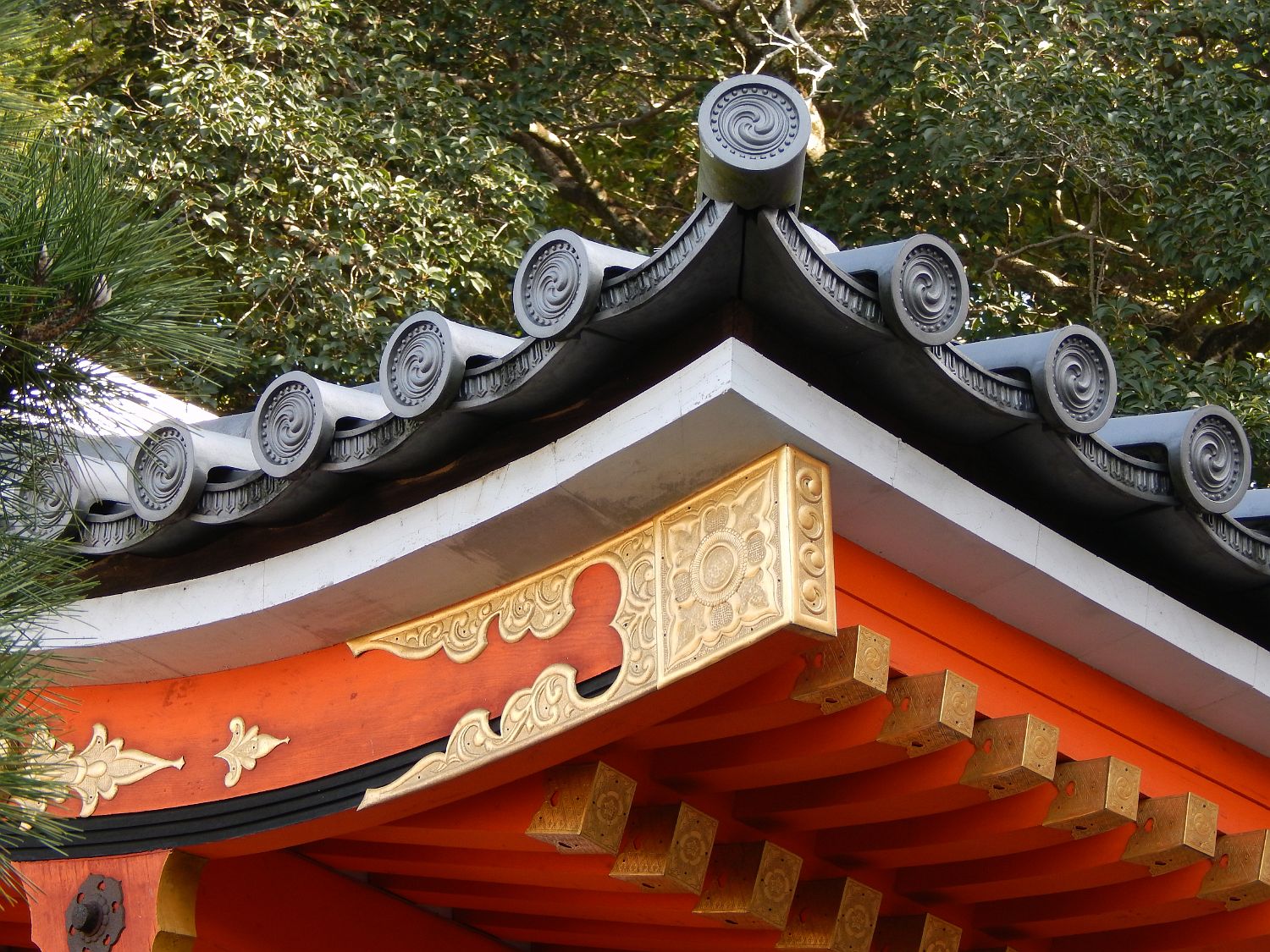
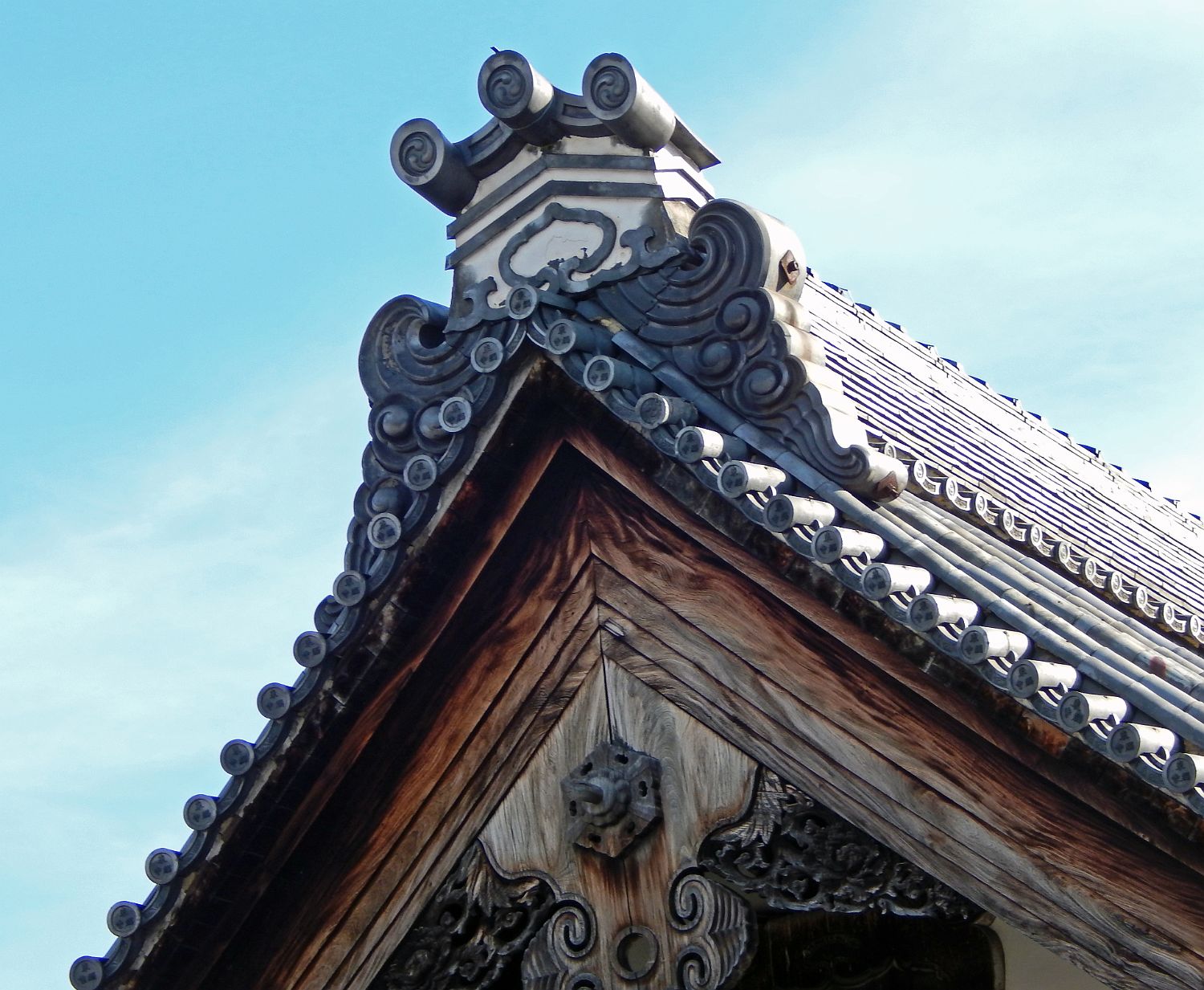
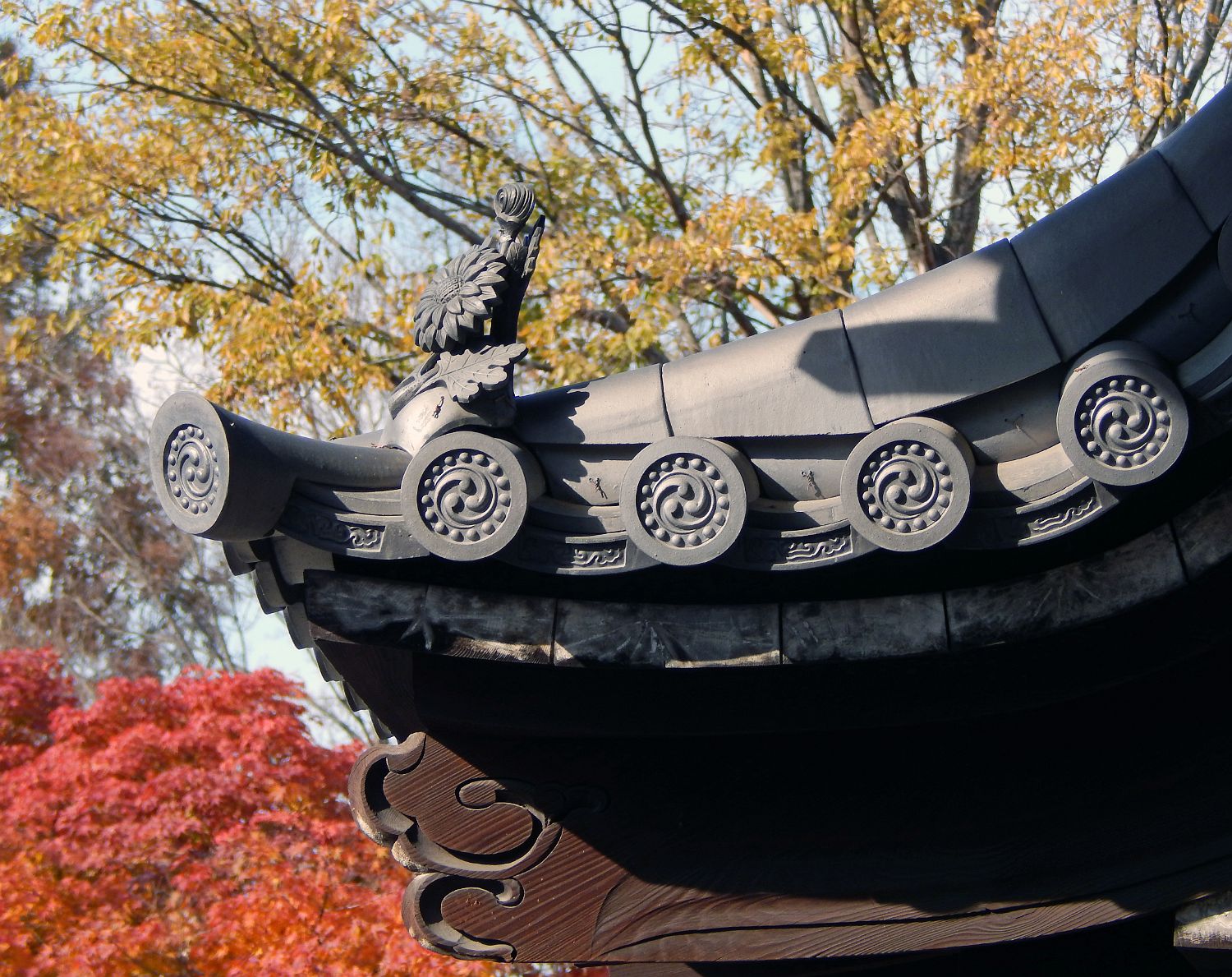
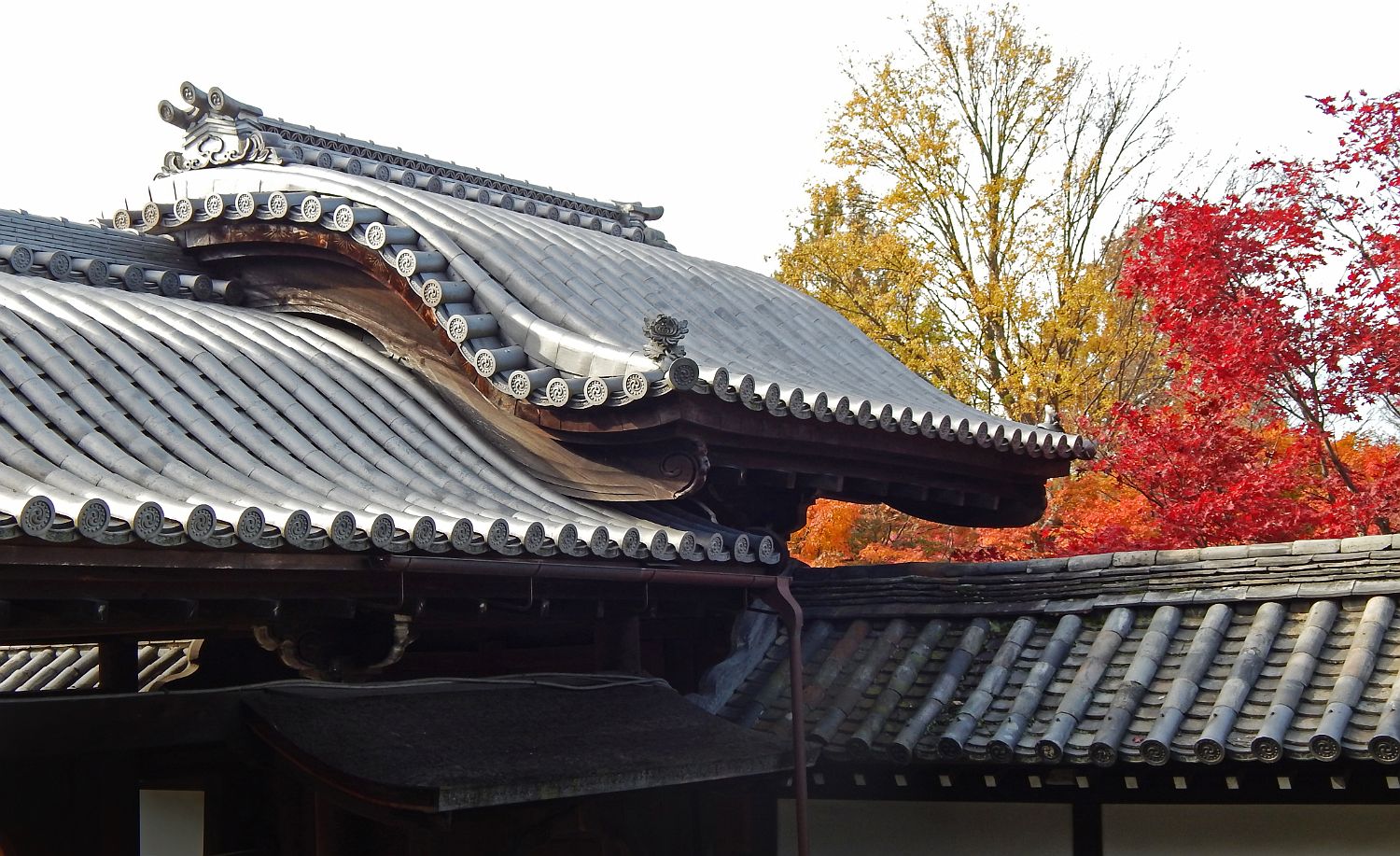
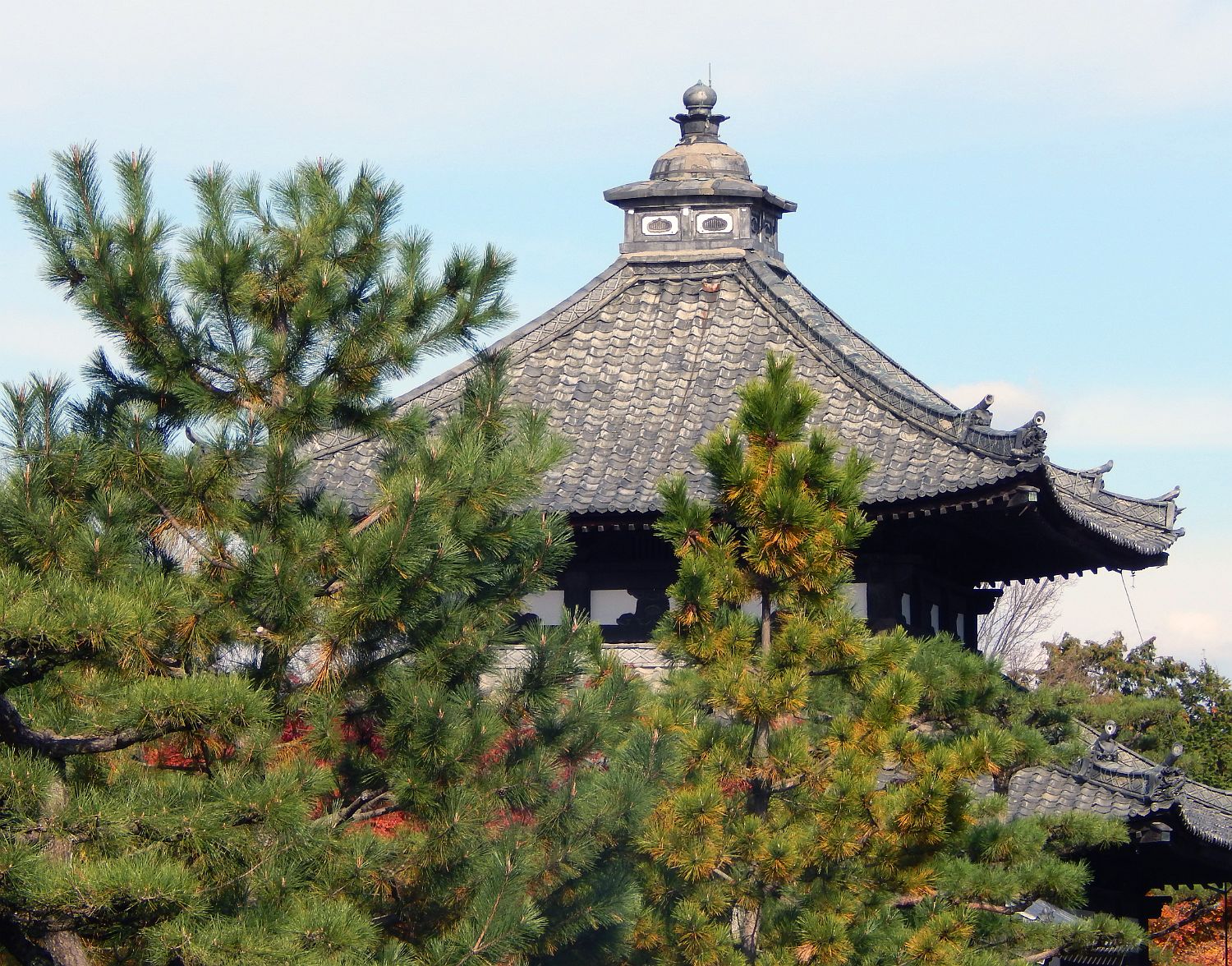
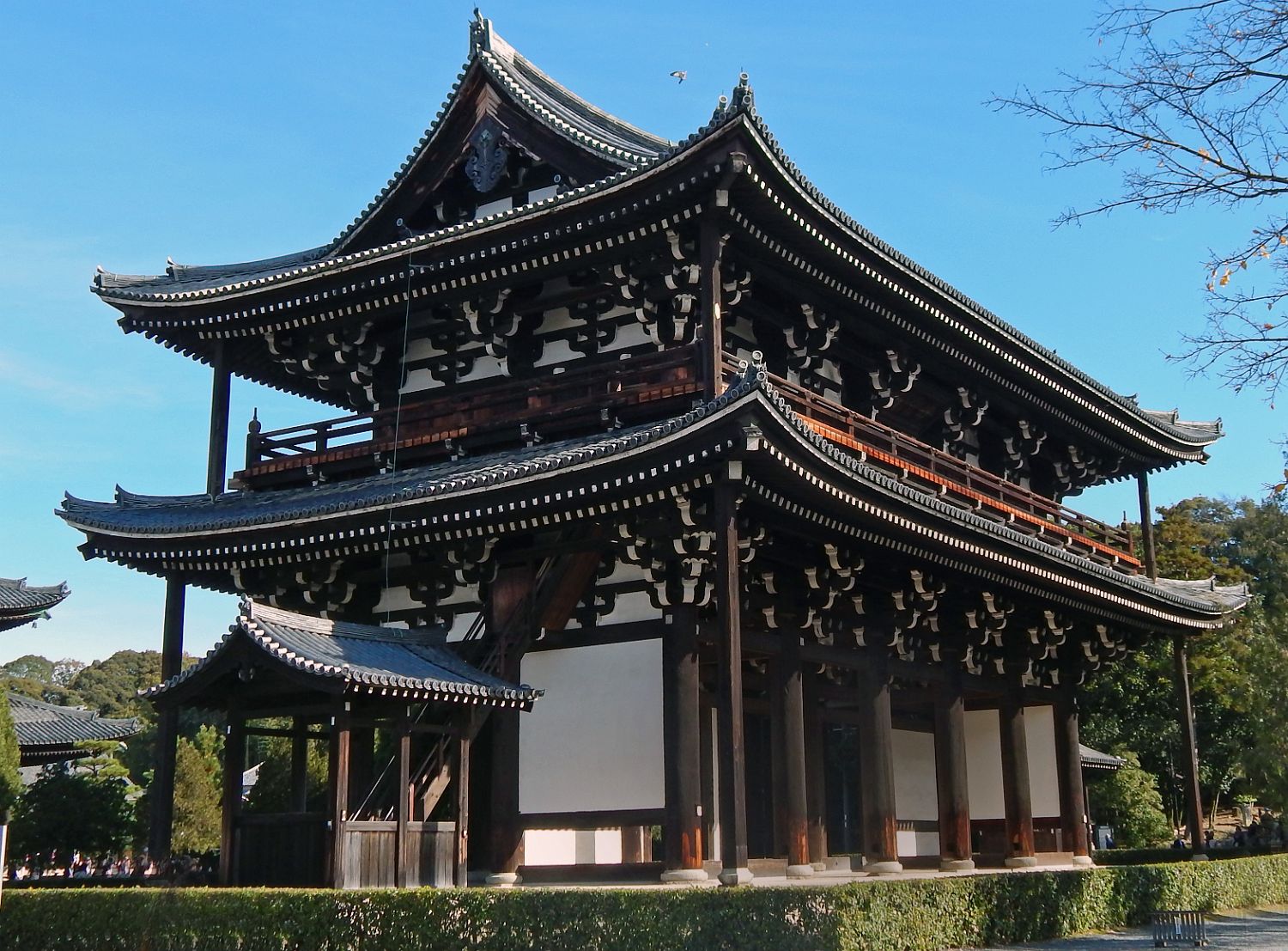
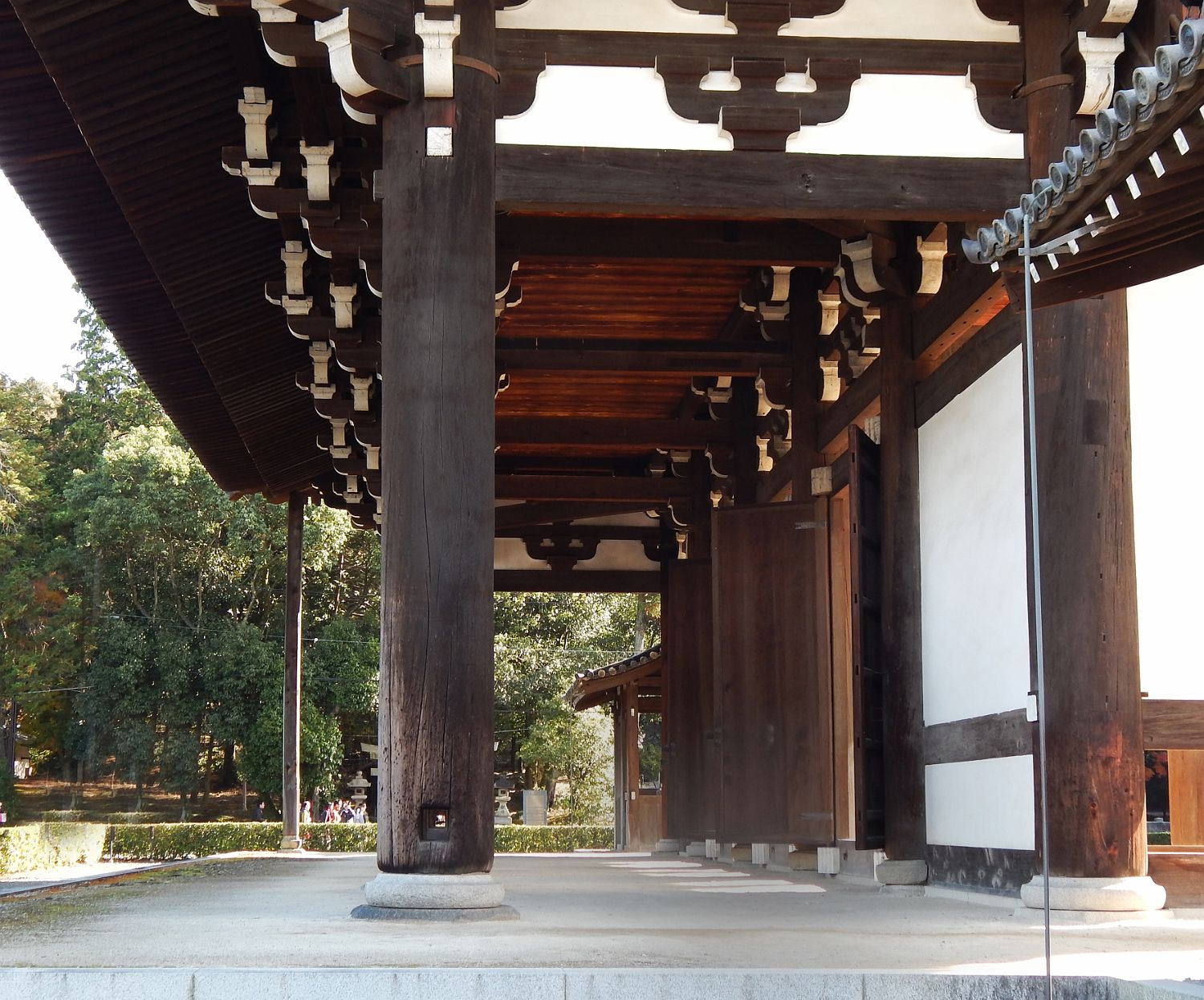
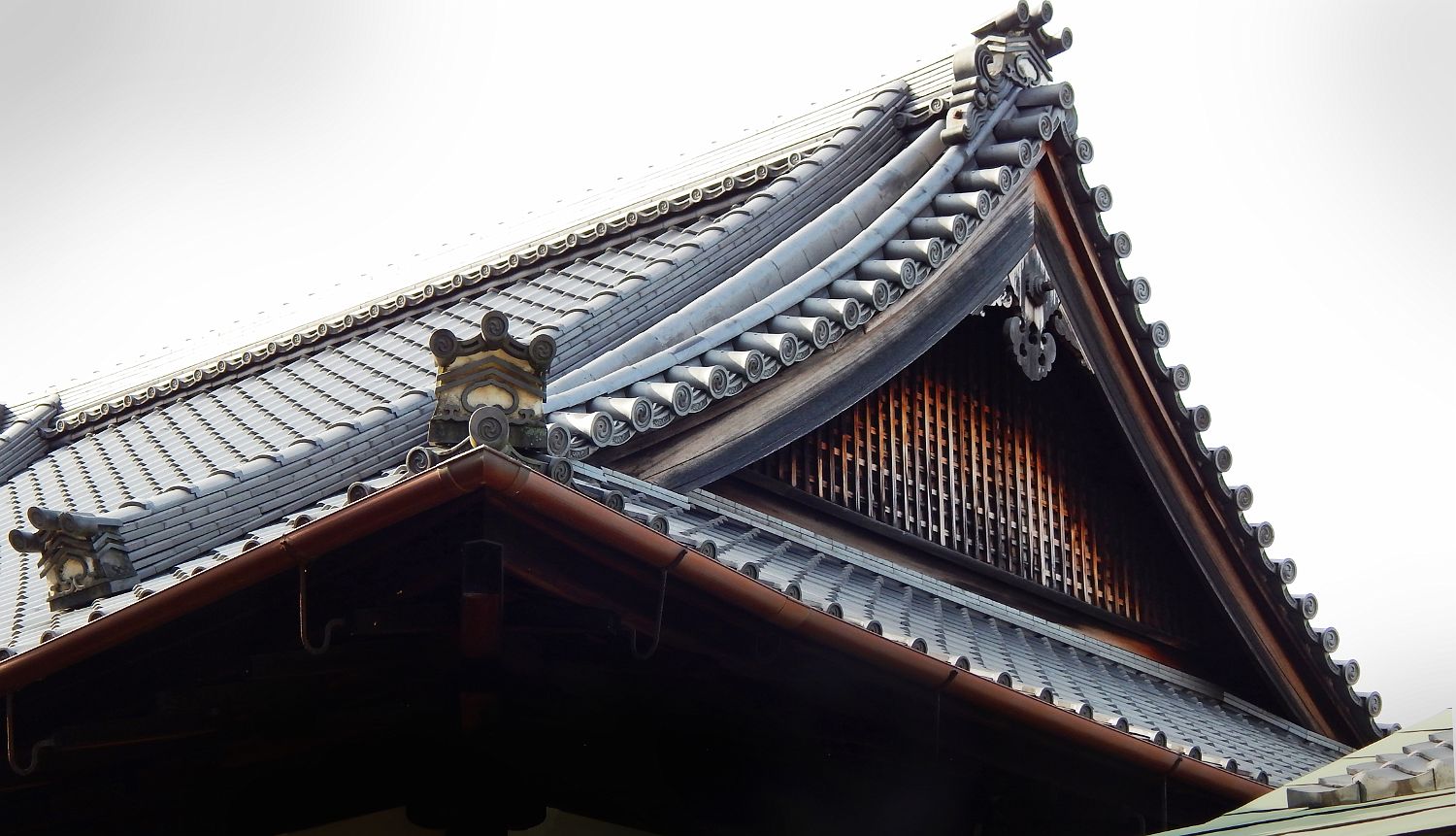
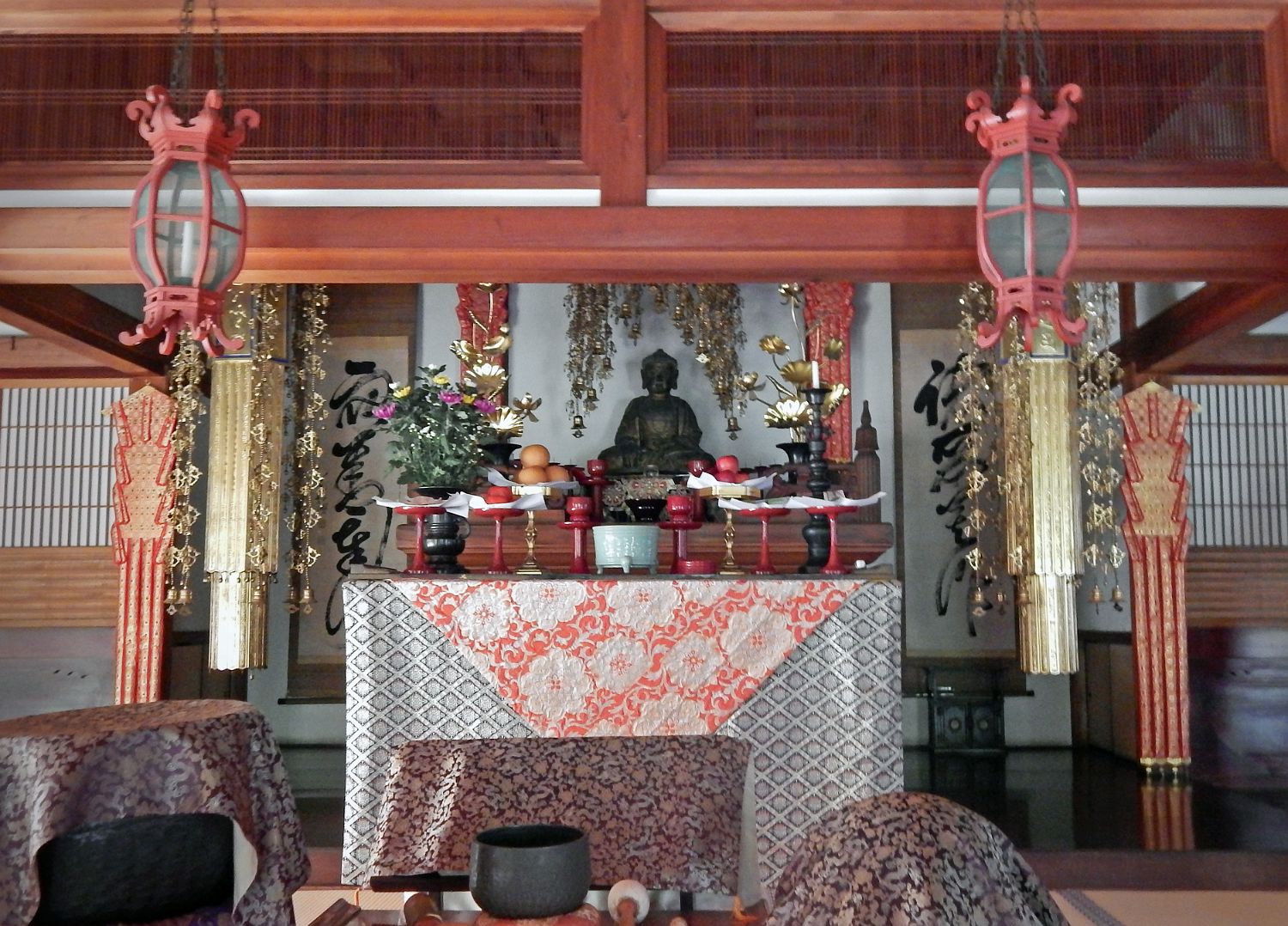
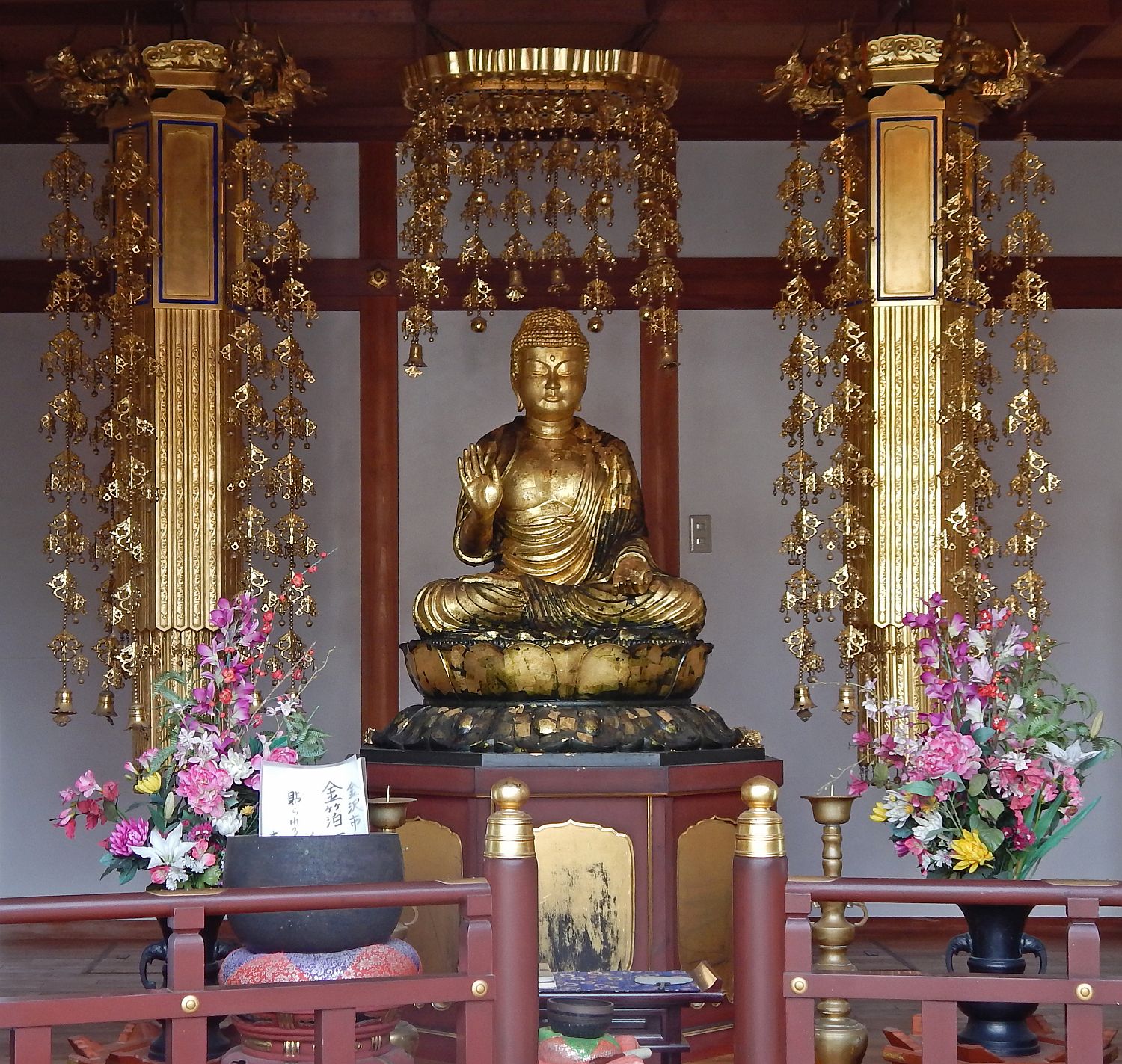
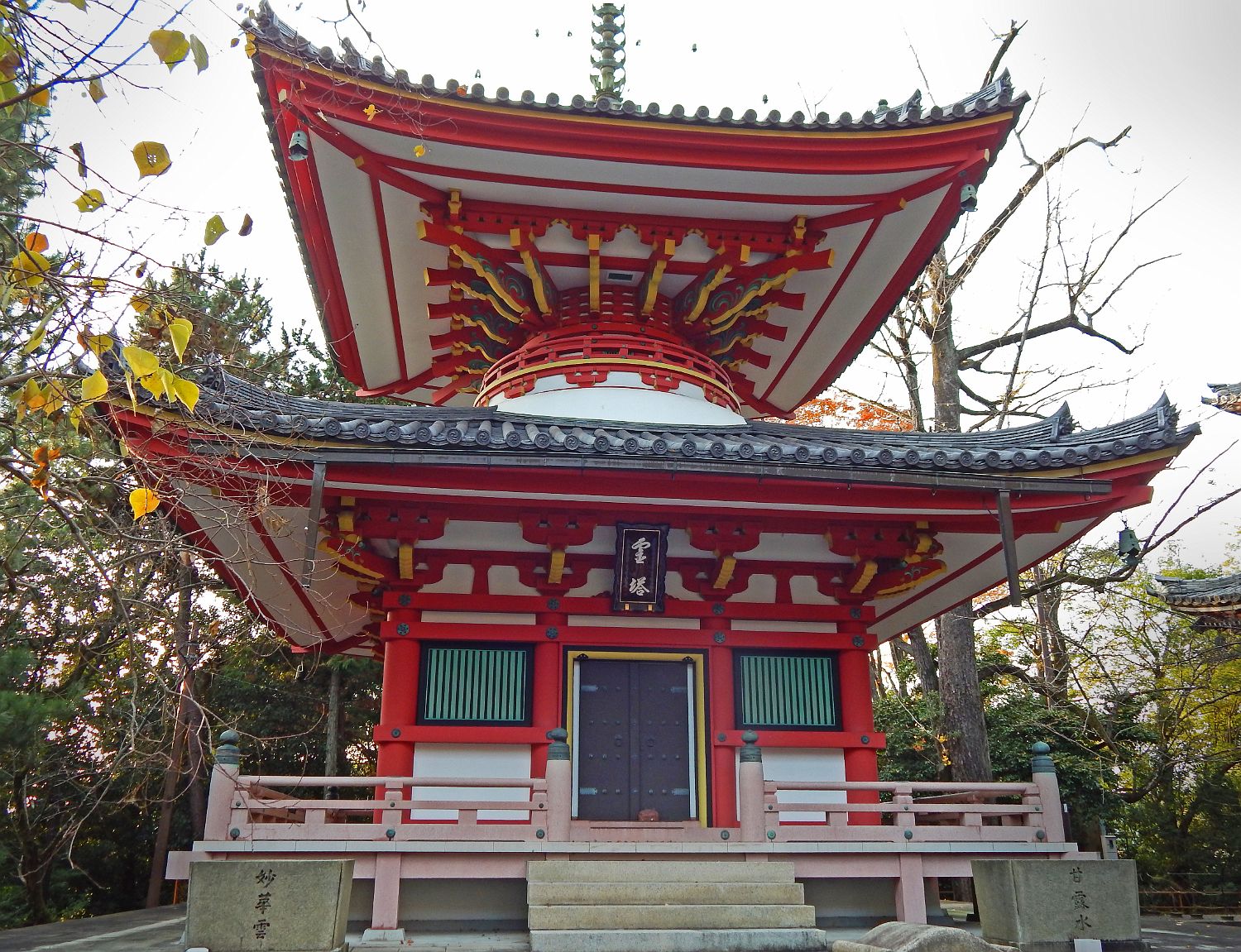
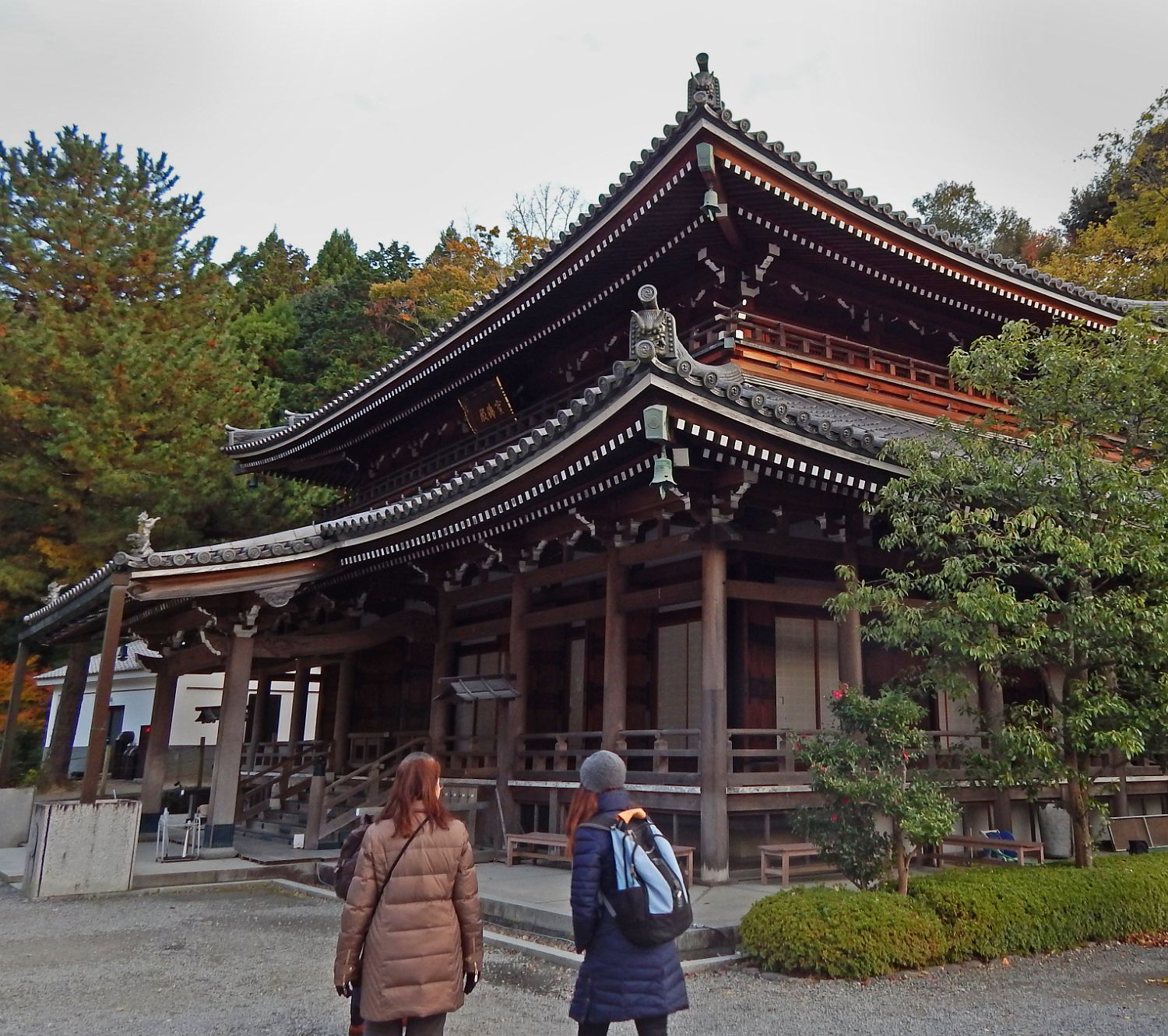
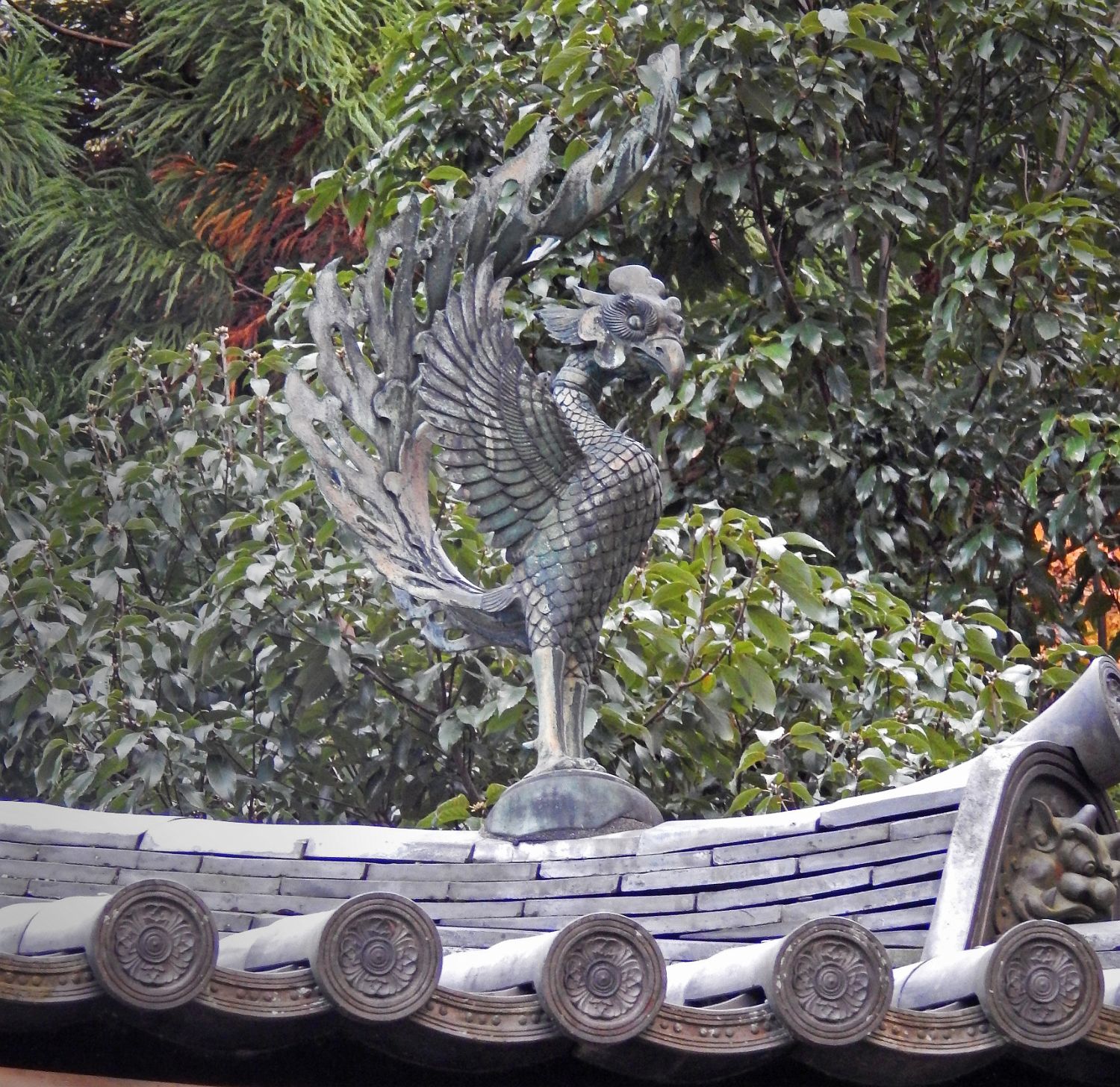
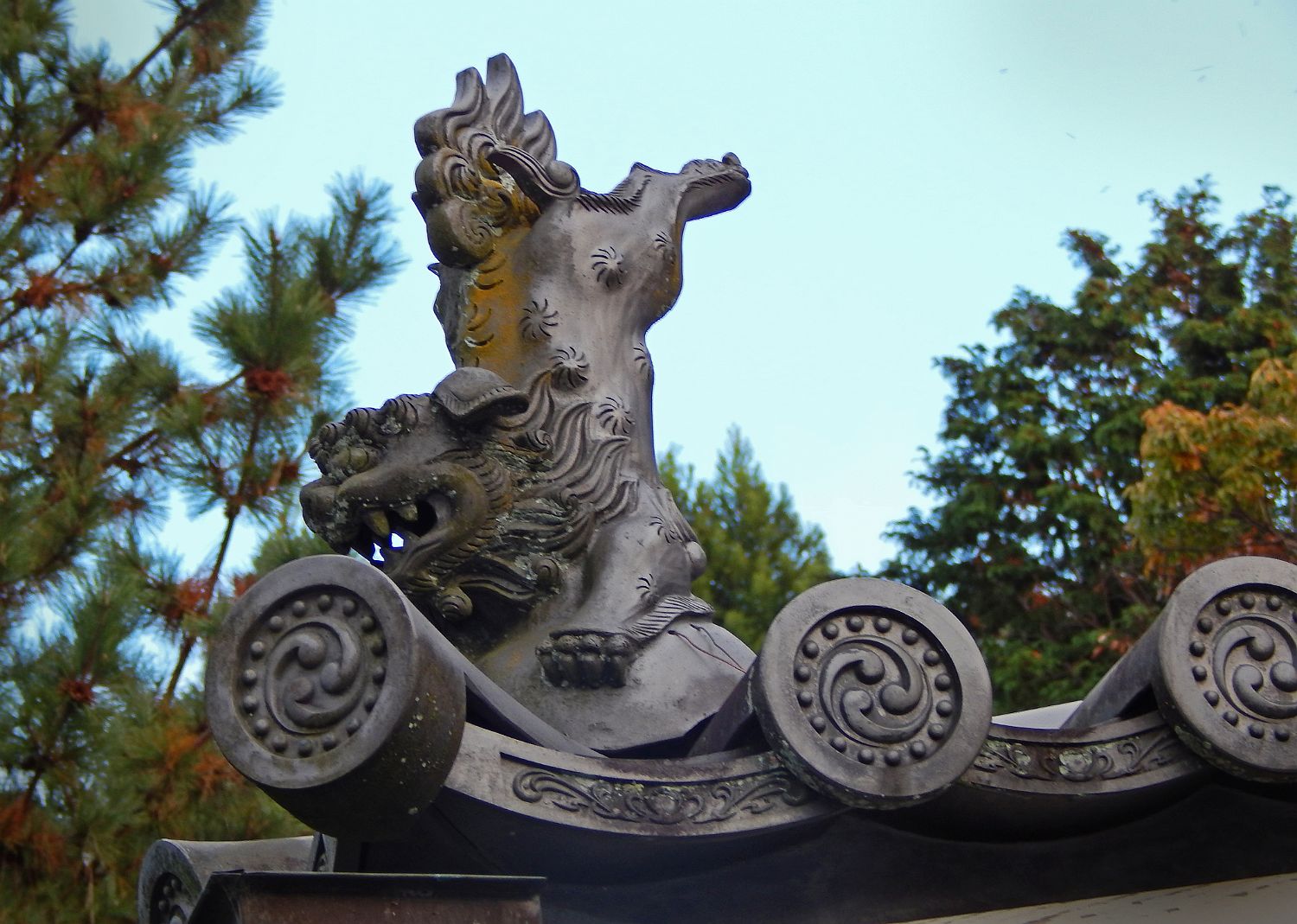
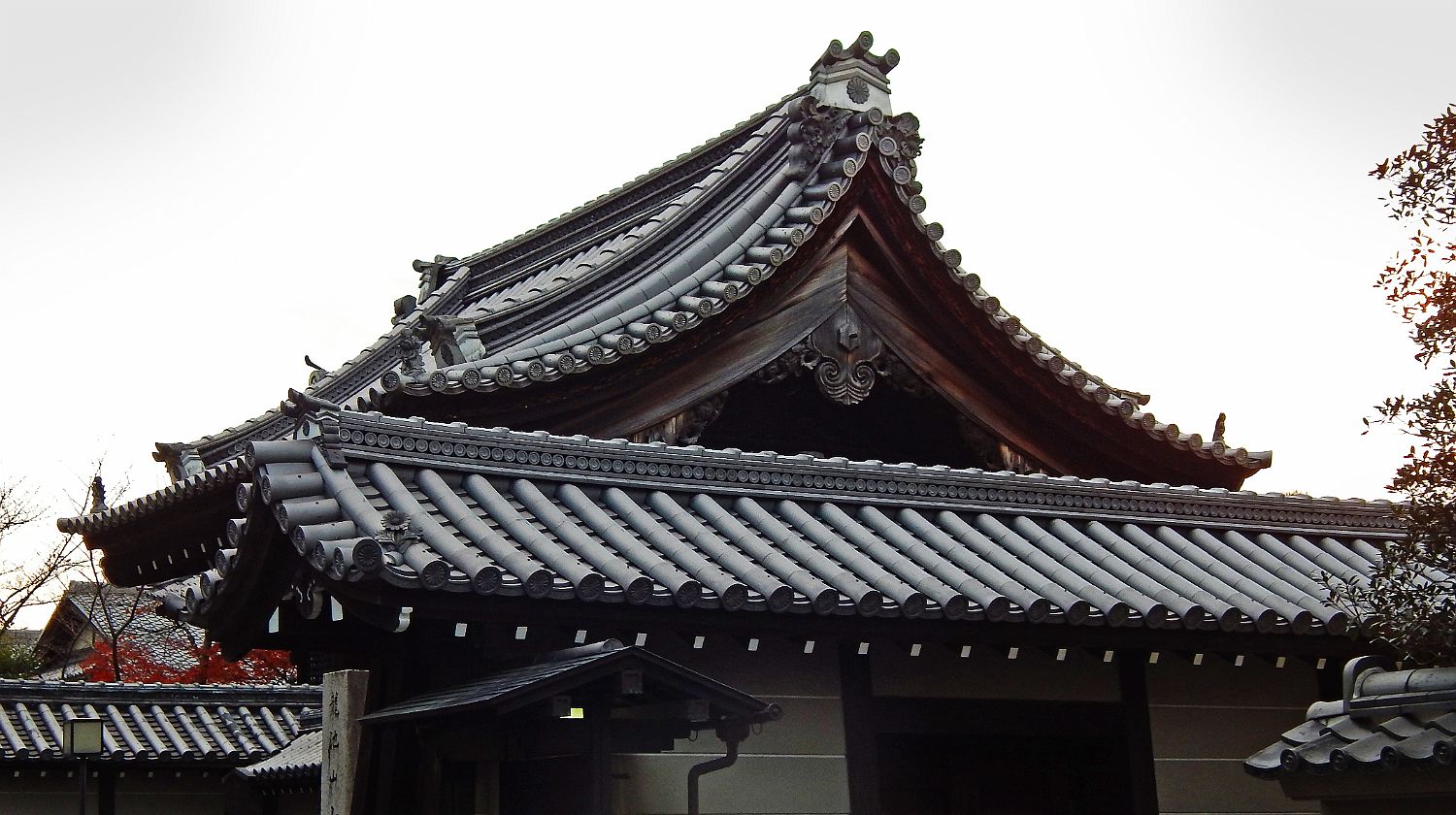
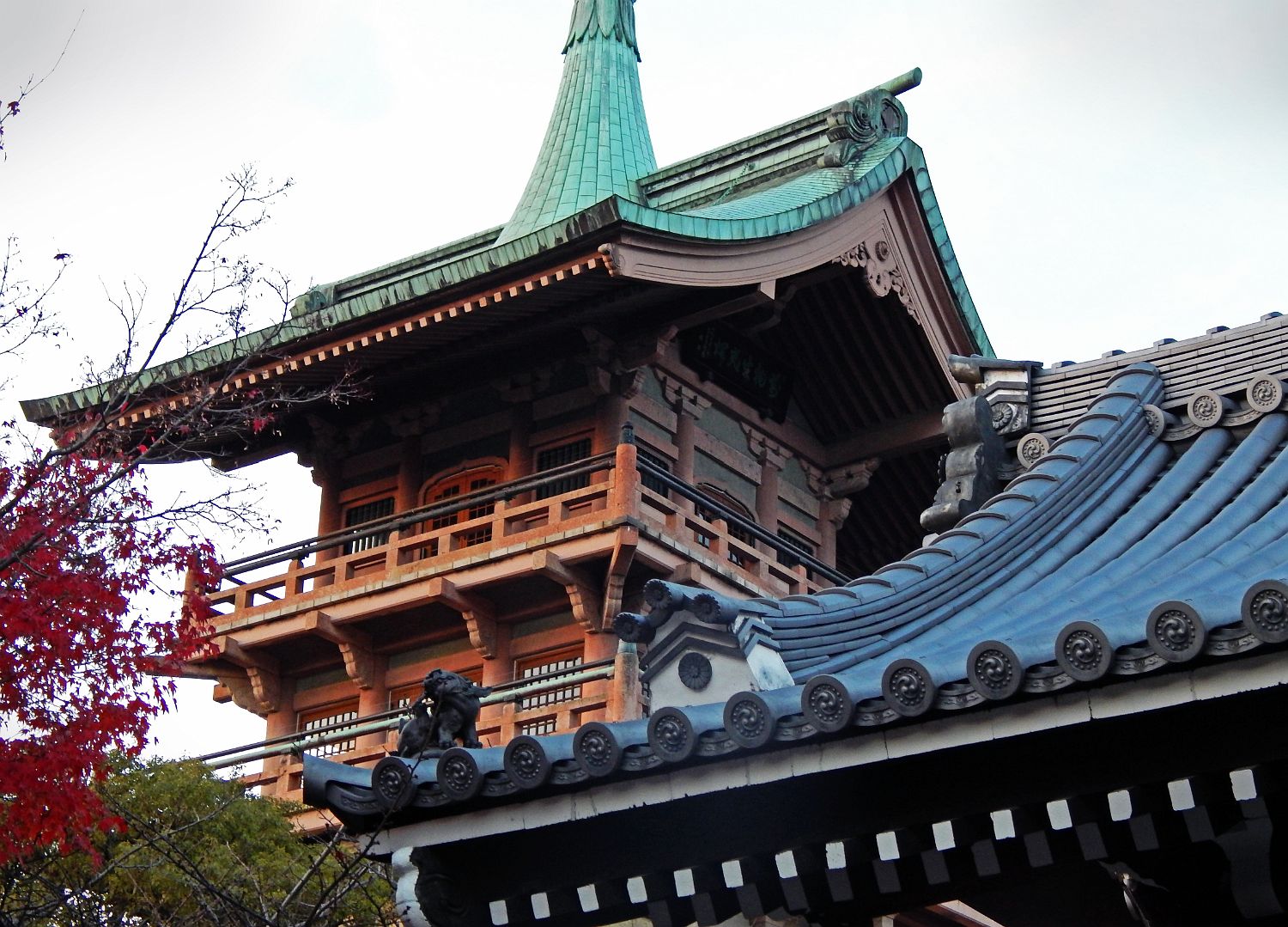
Temple building skills are an important pert of Japanese culture.
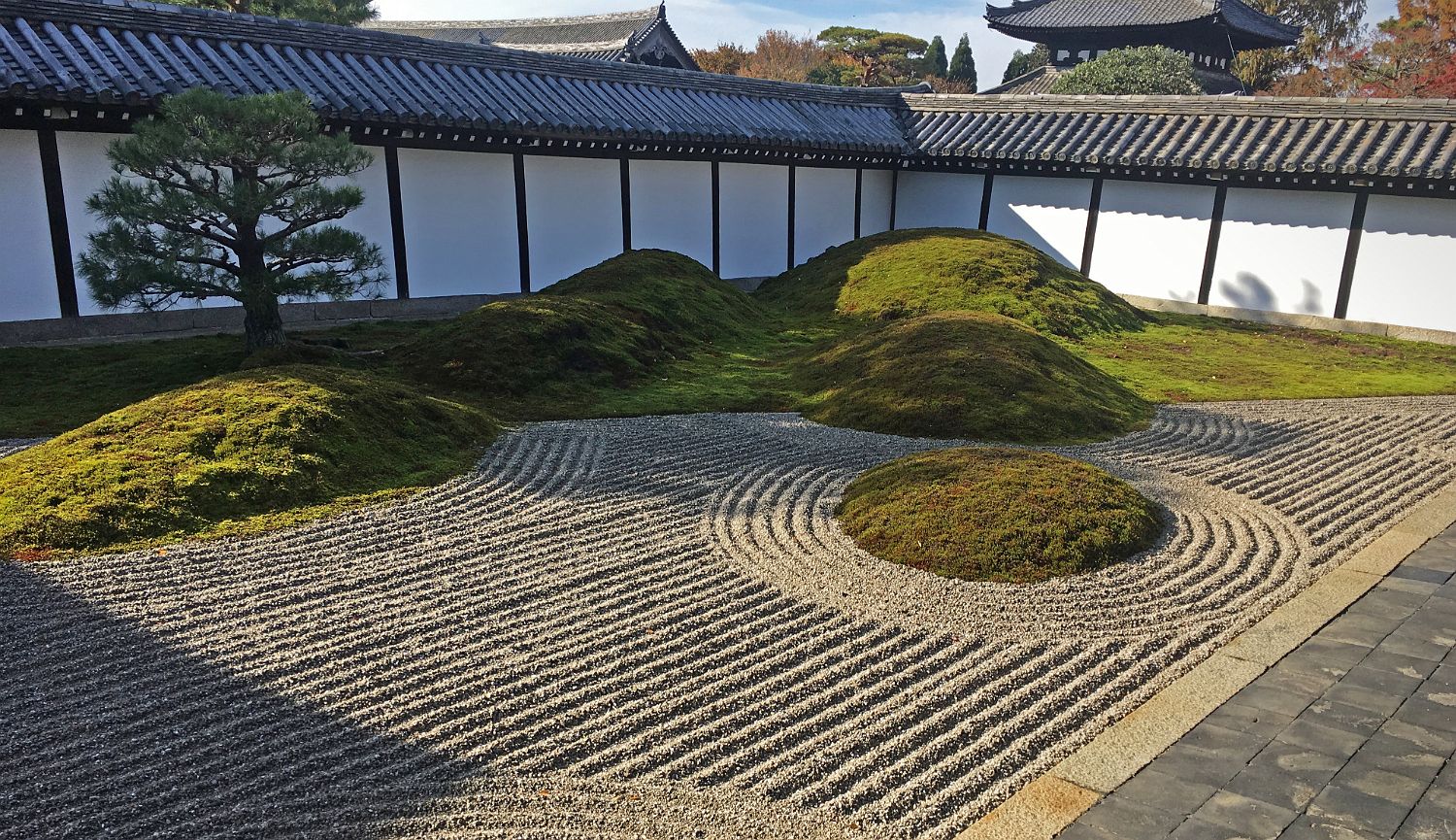
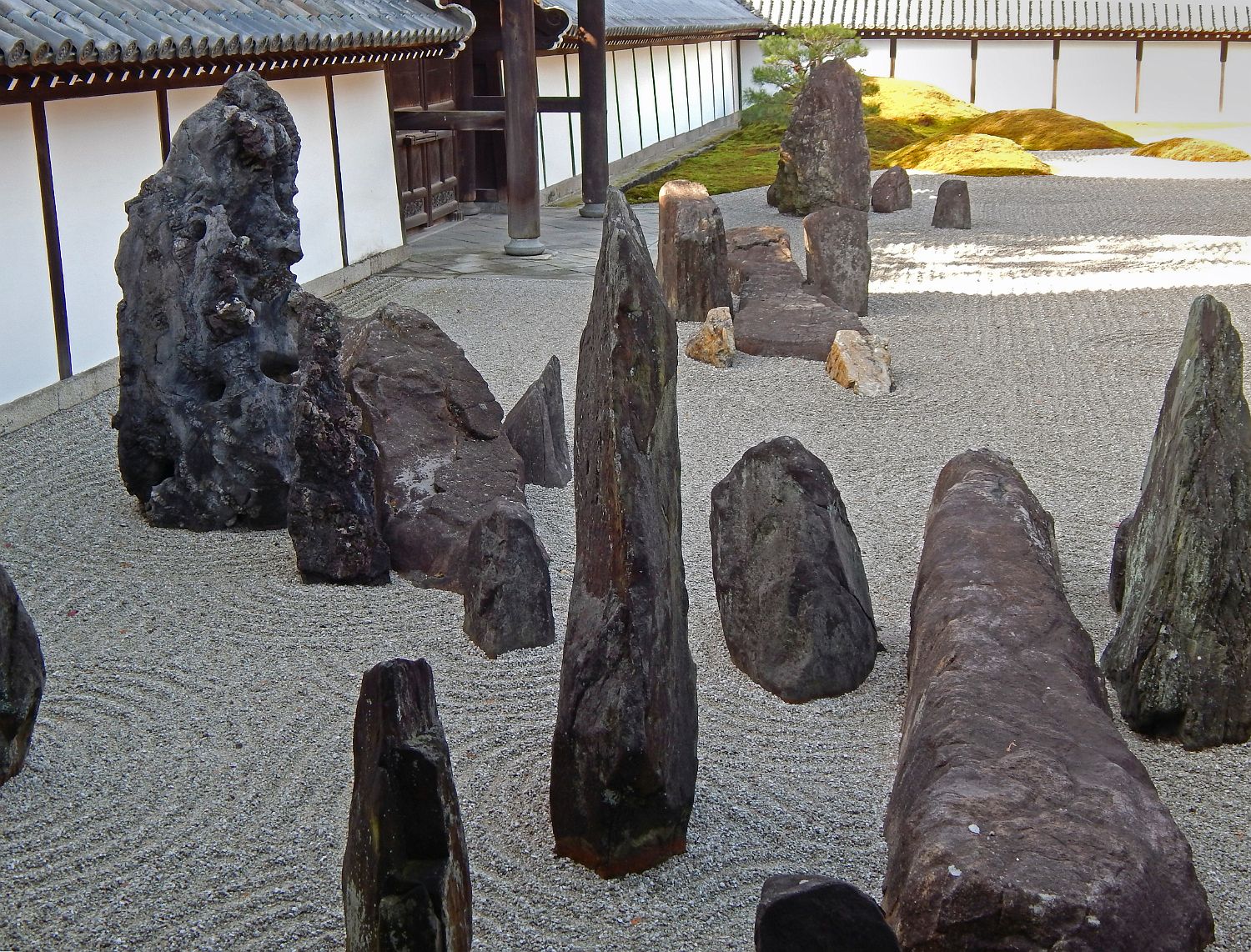
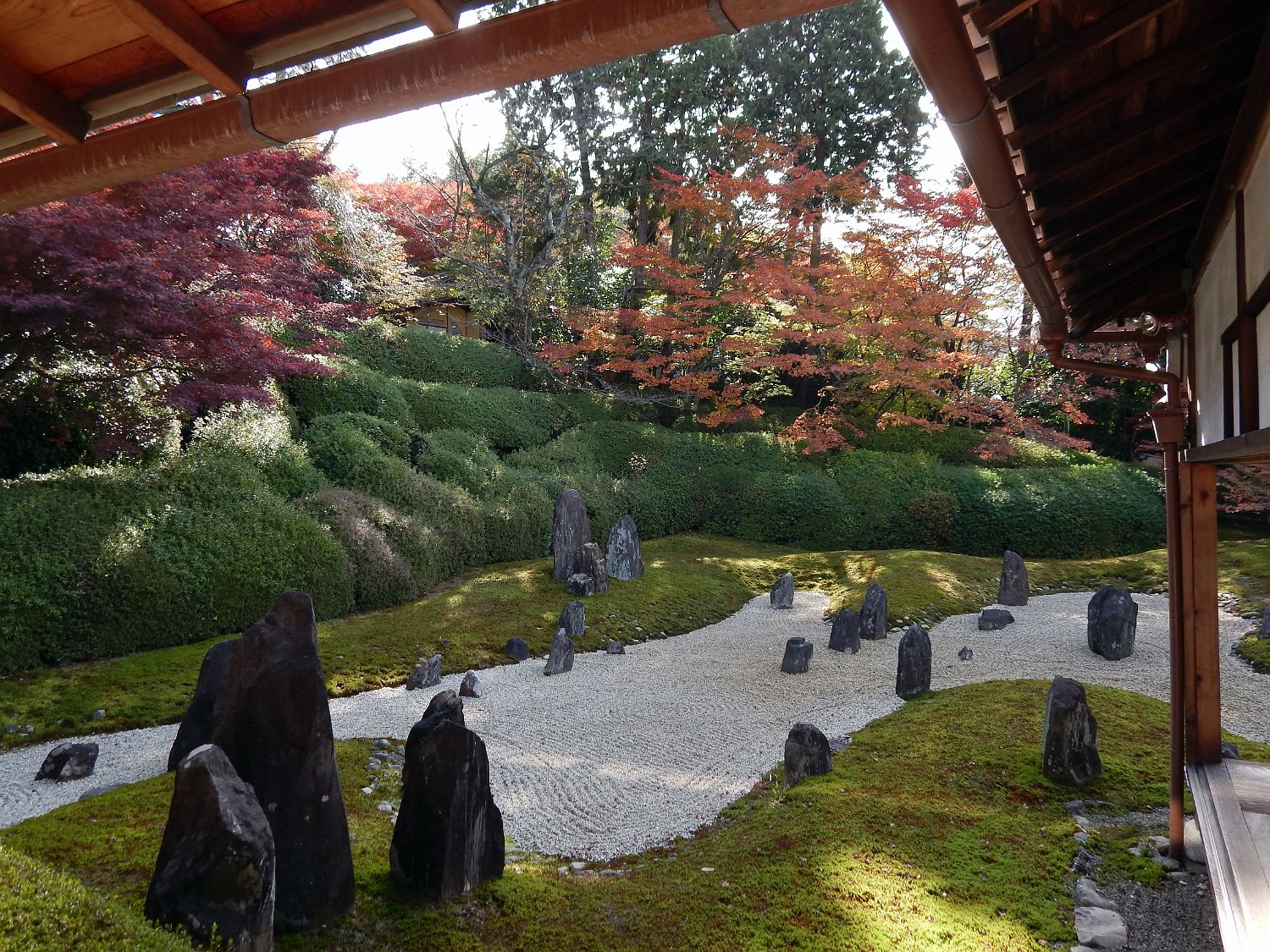
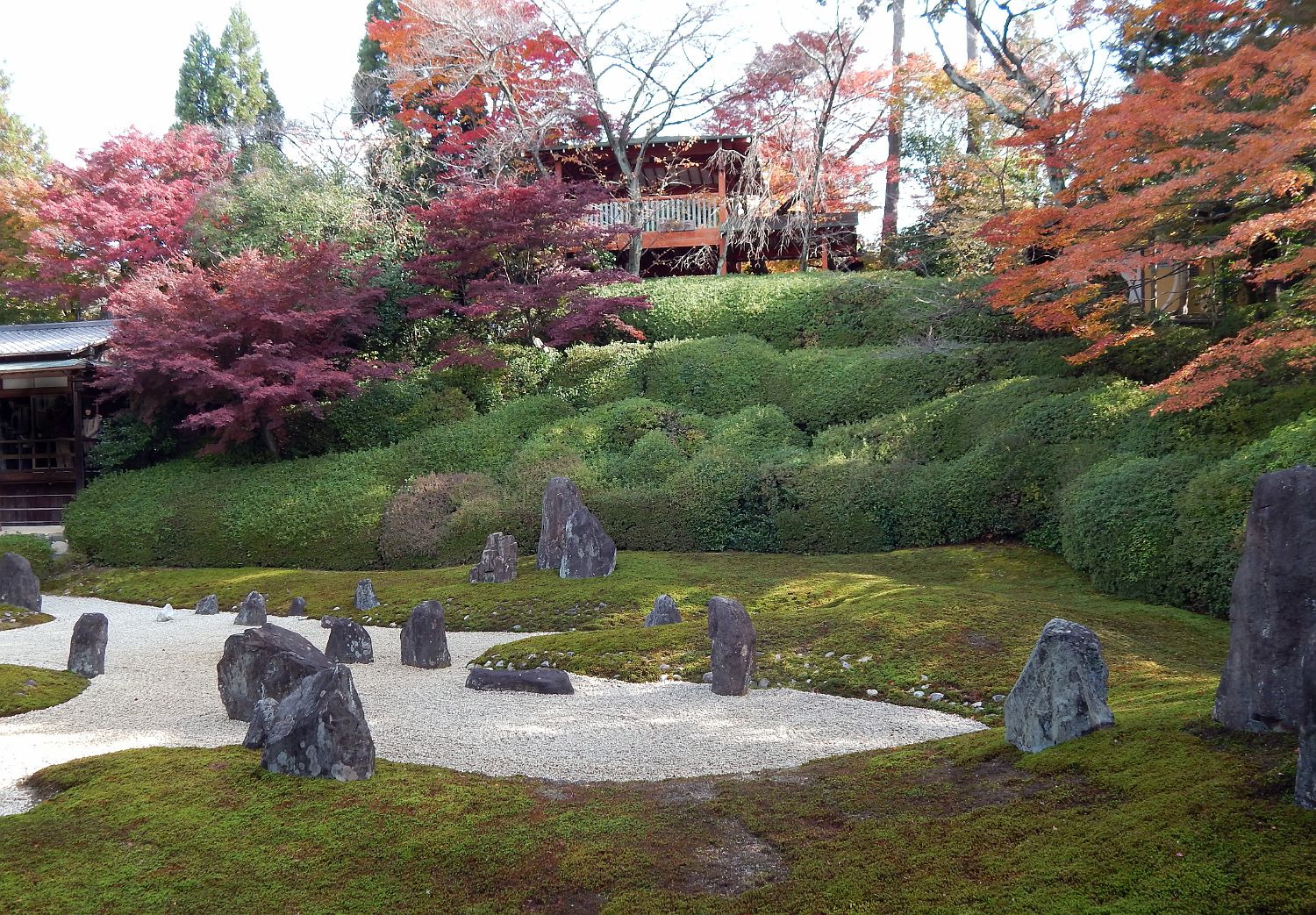
Zen garden -- carefully raked by the monks.
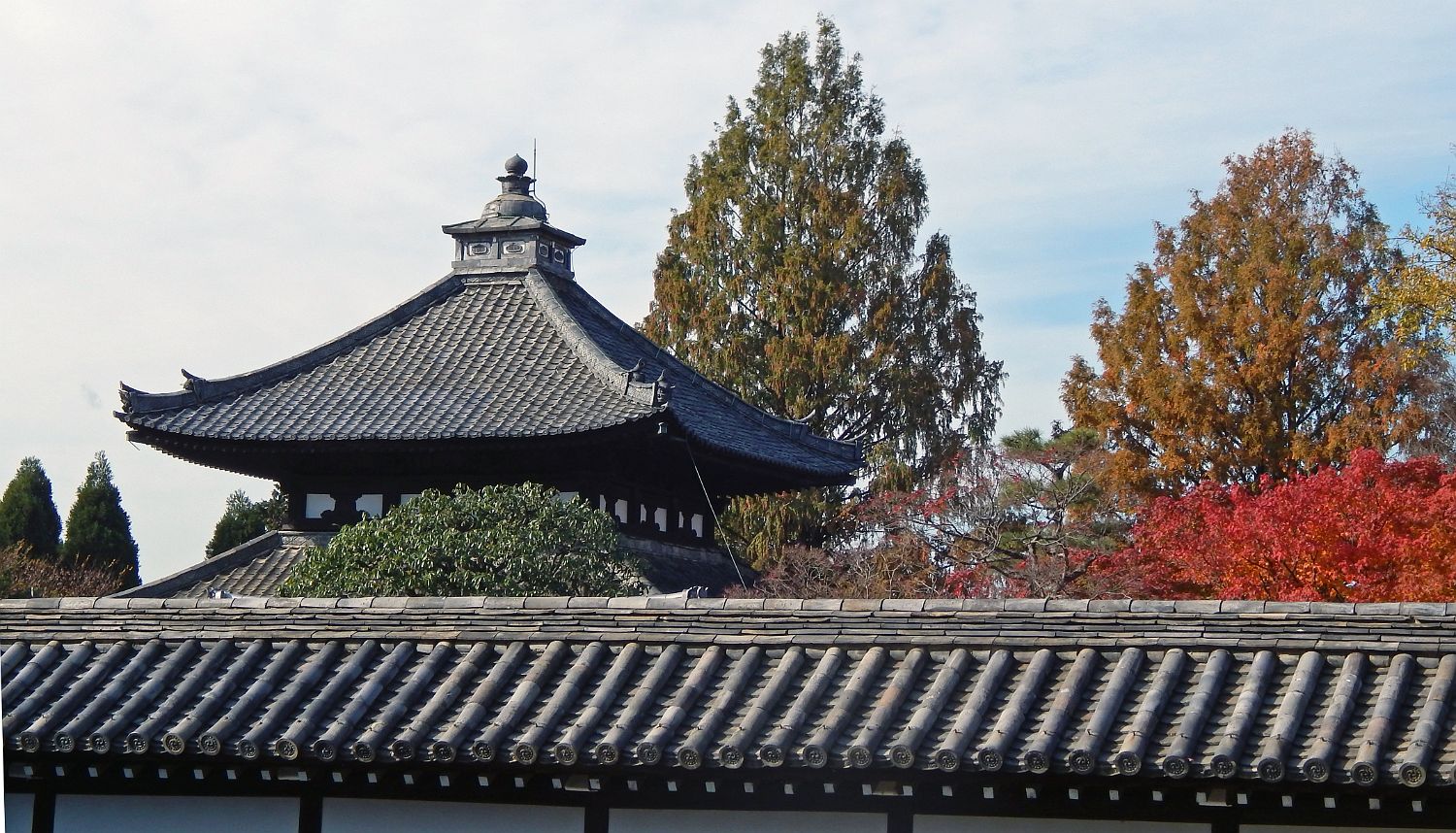
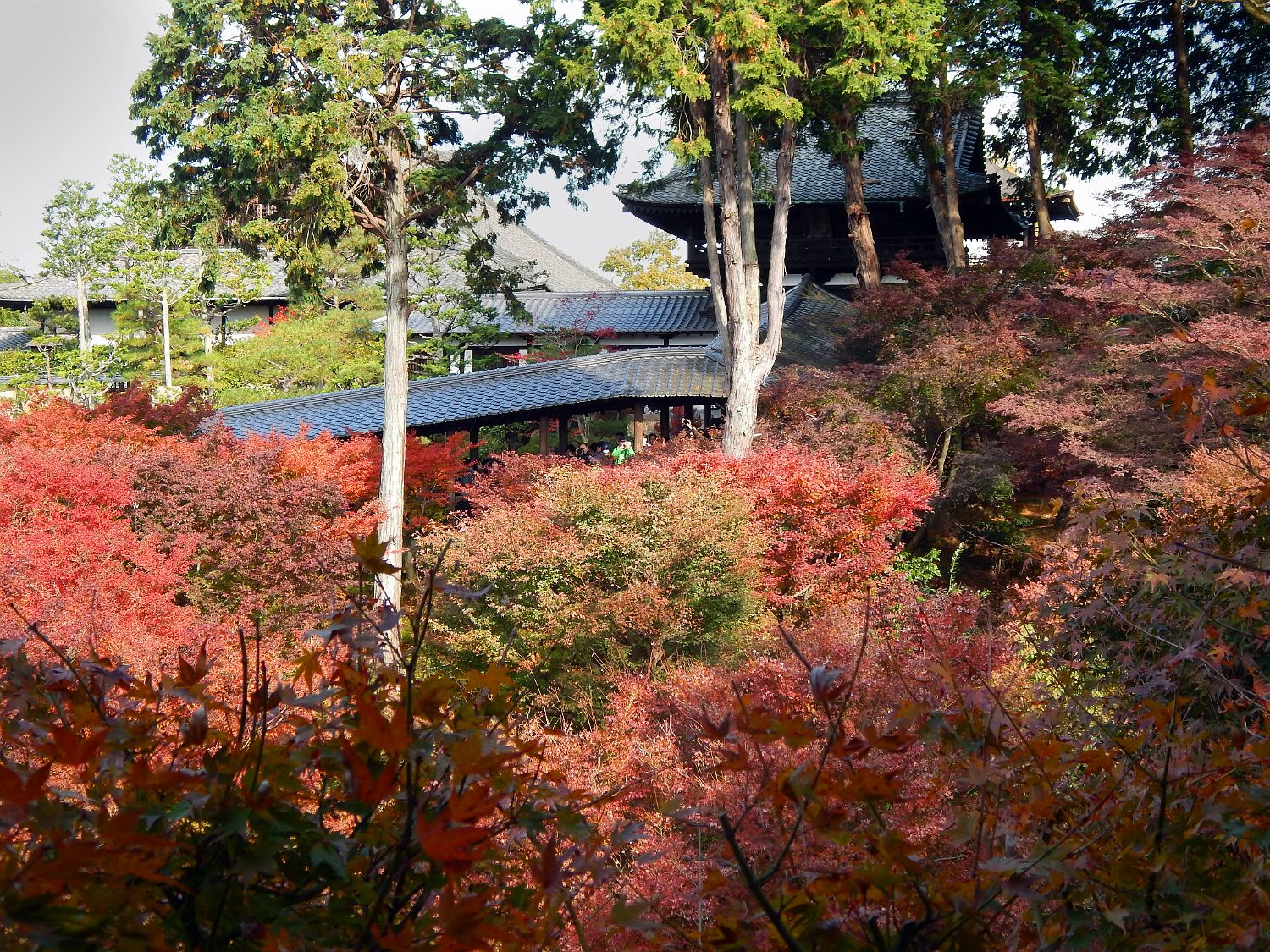
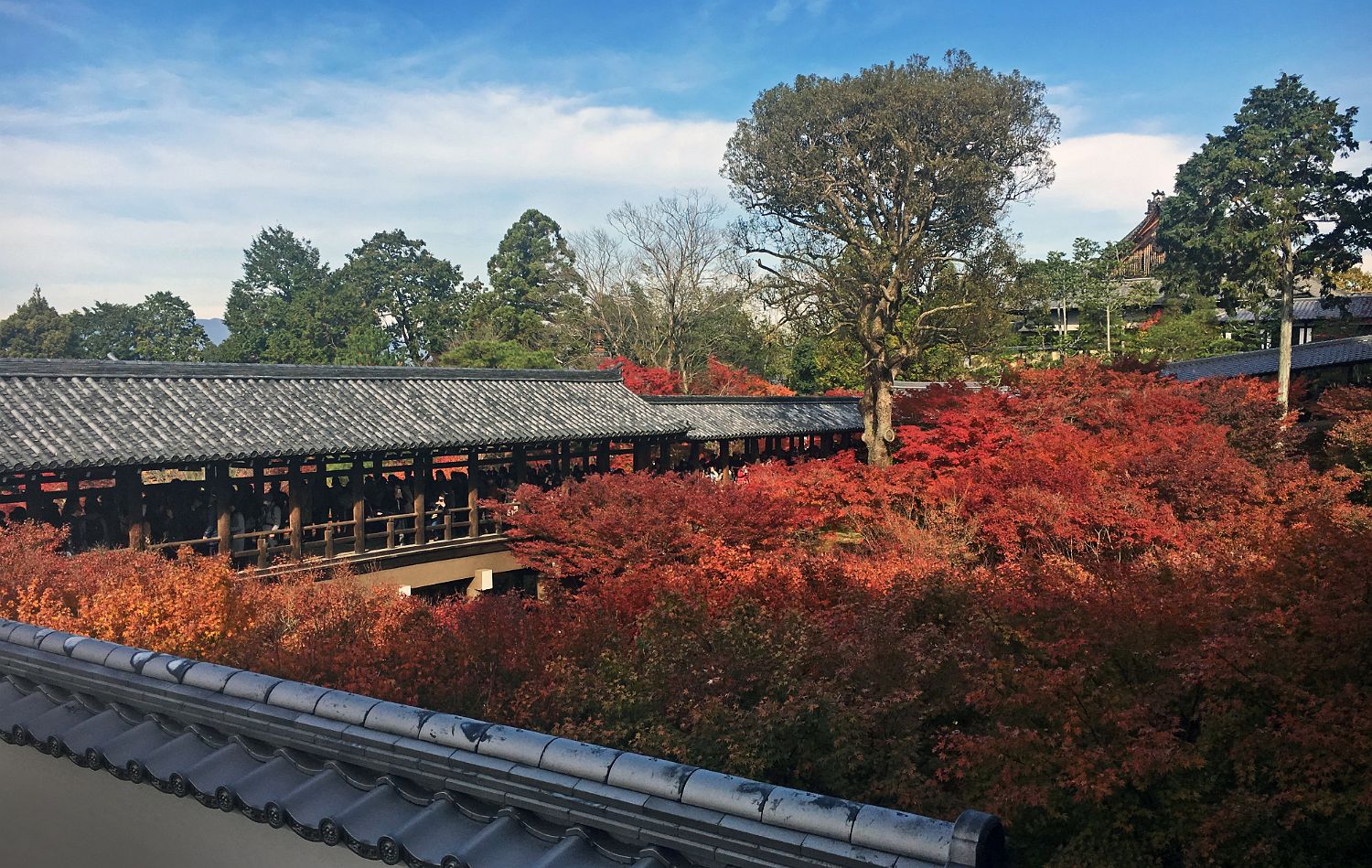
On to the Tofukuji Temple. Three stones clustered represent Buddha. Gravel represents water. Bushes represent clouds.
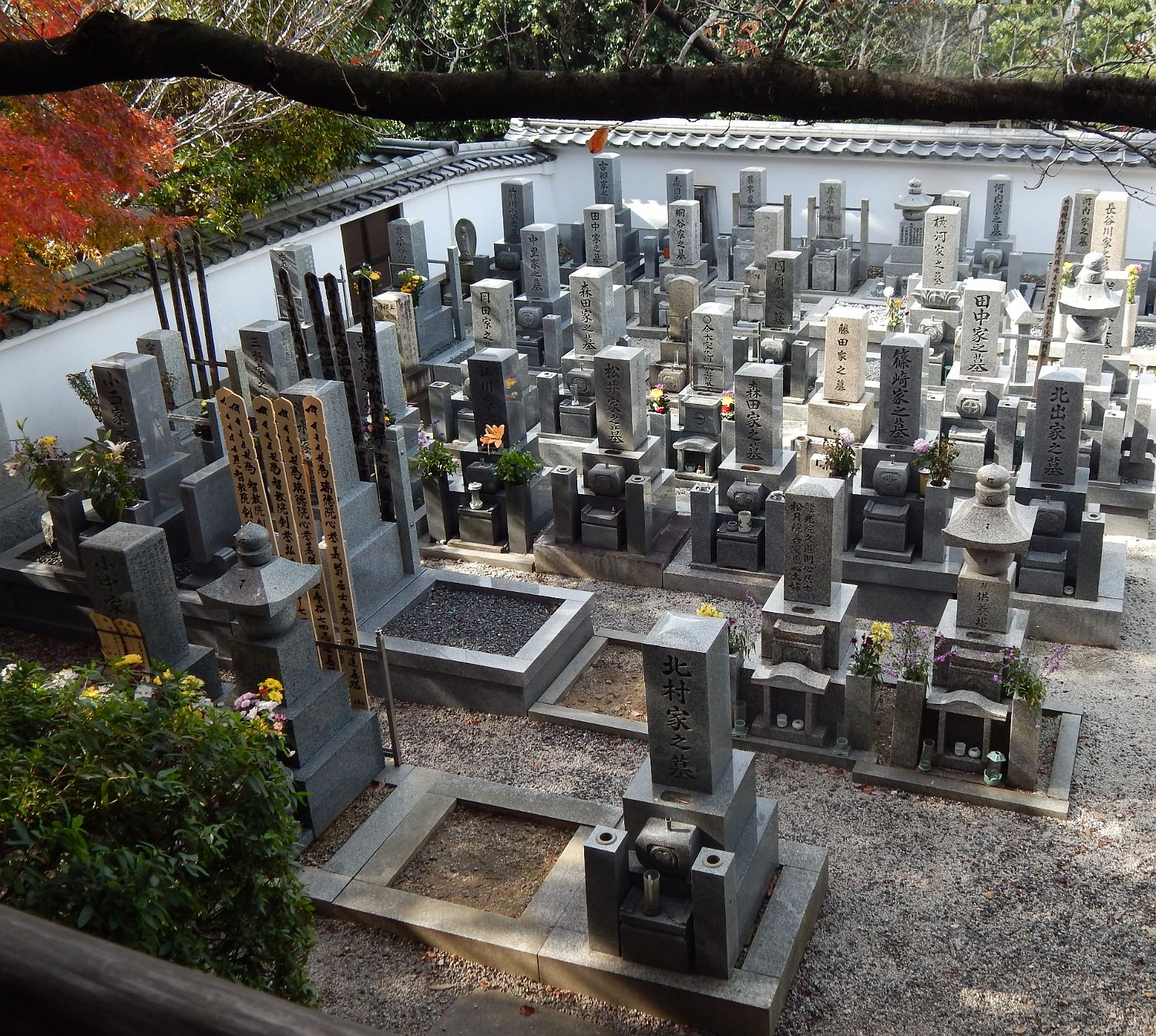
A tradition in Japan, family members use chopsticks to place the cremated bones of the deceased into the urn in a designated order which gets placed in the family shrine. Hence, people never pass food from one chopsticks to another.
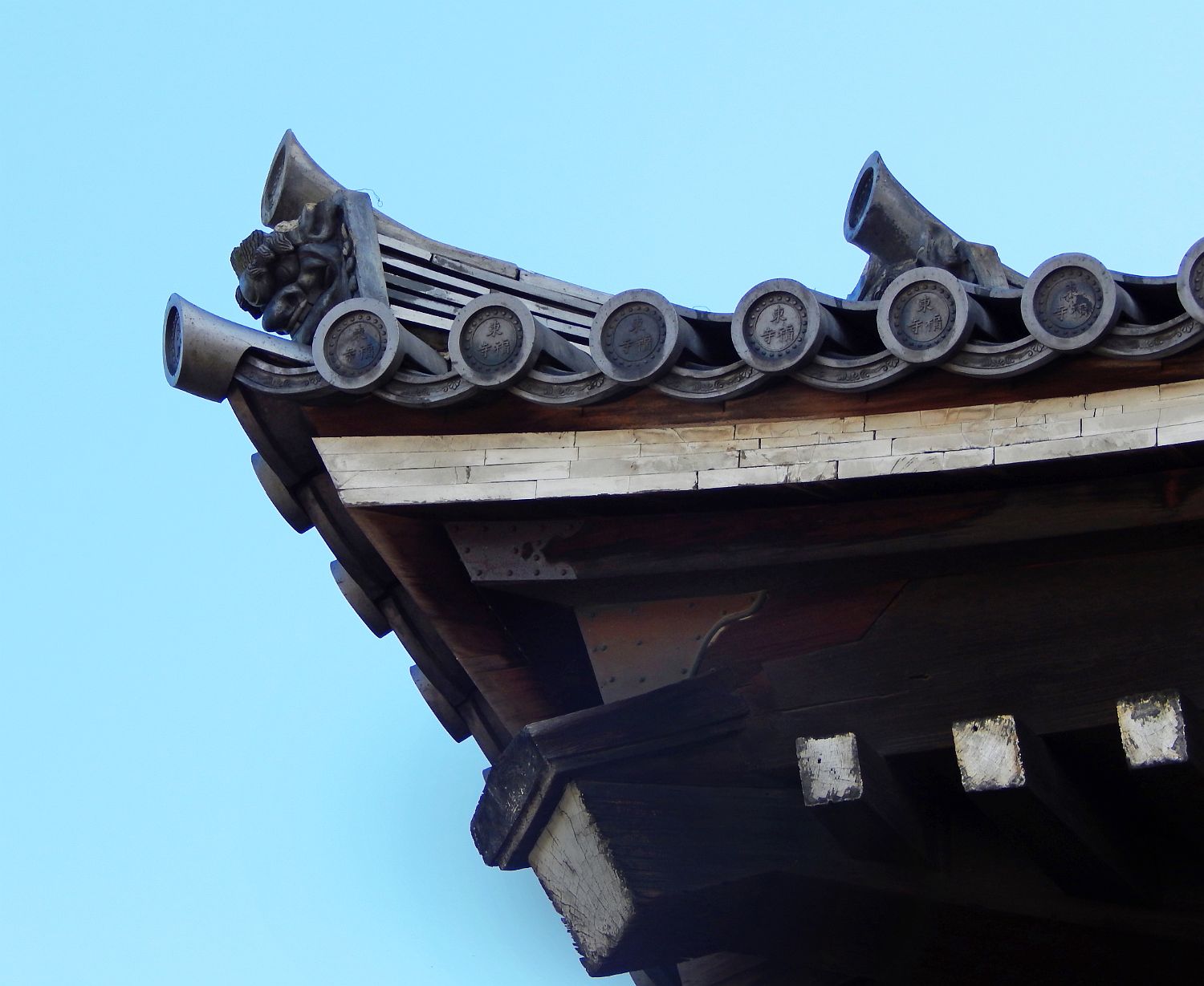
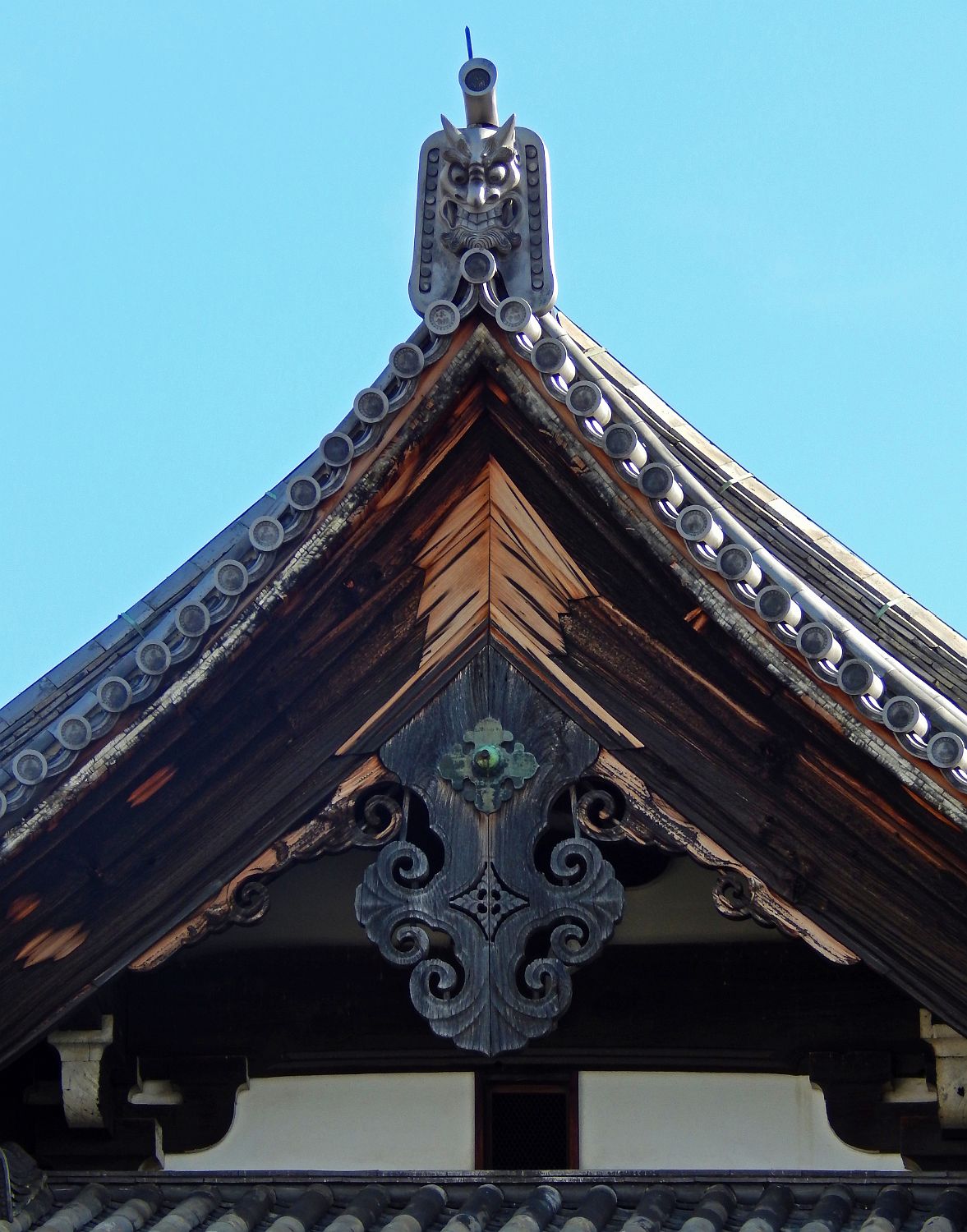
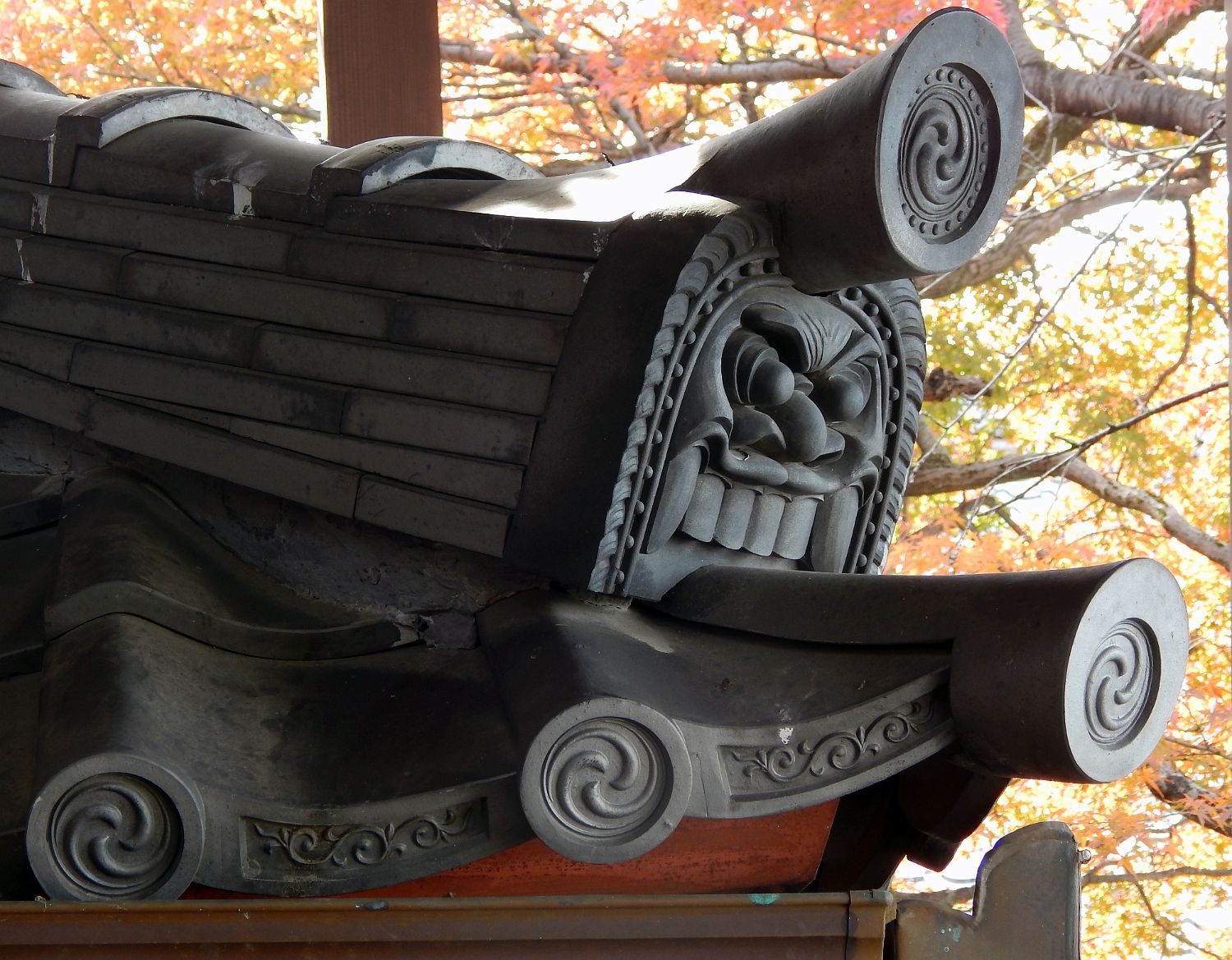
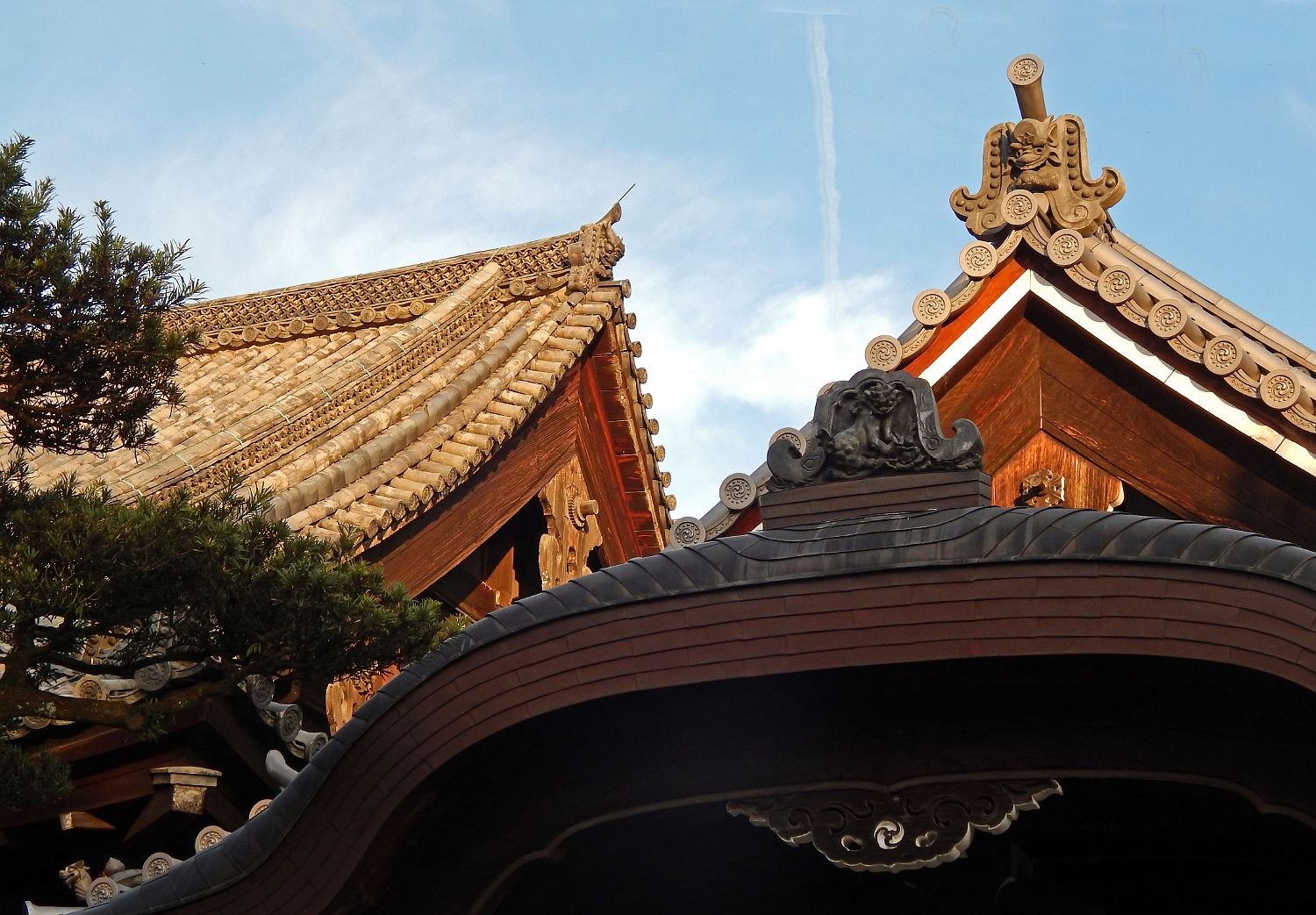
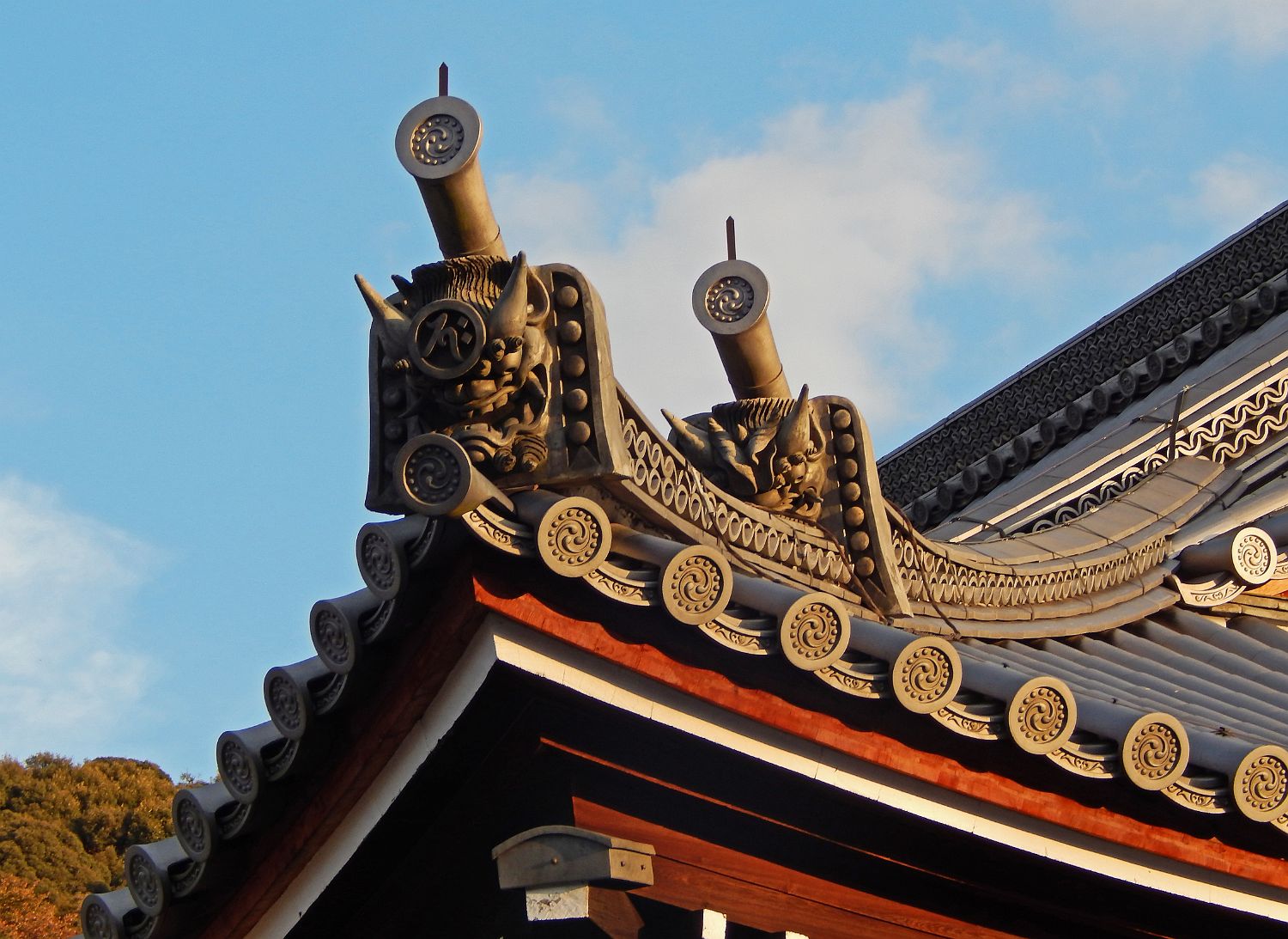
Roofs are terra cotta.
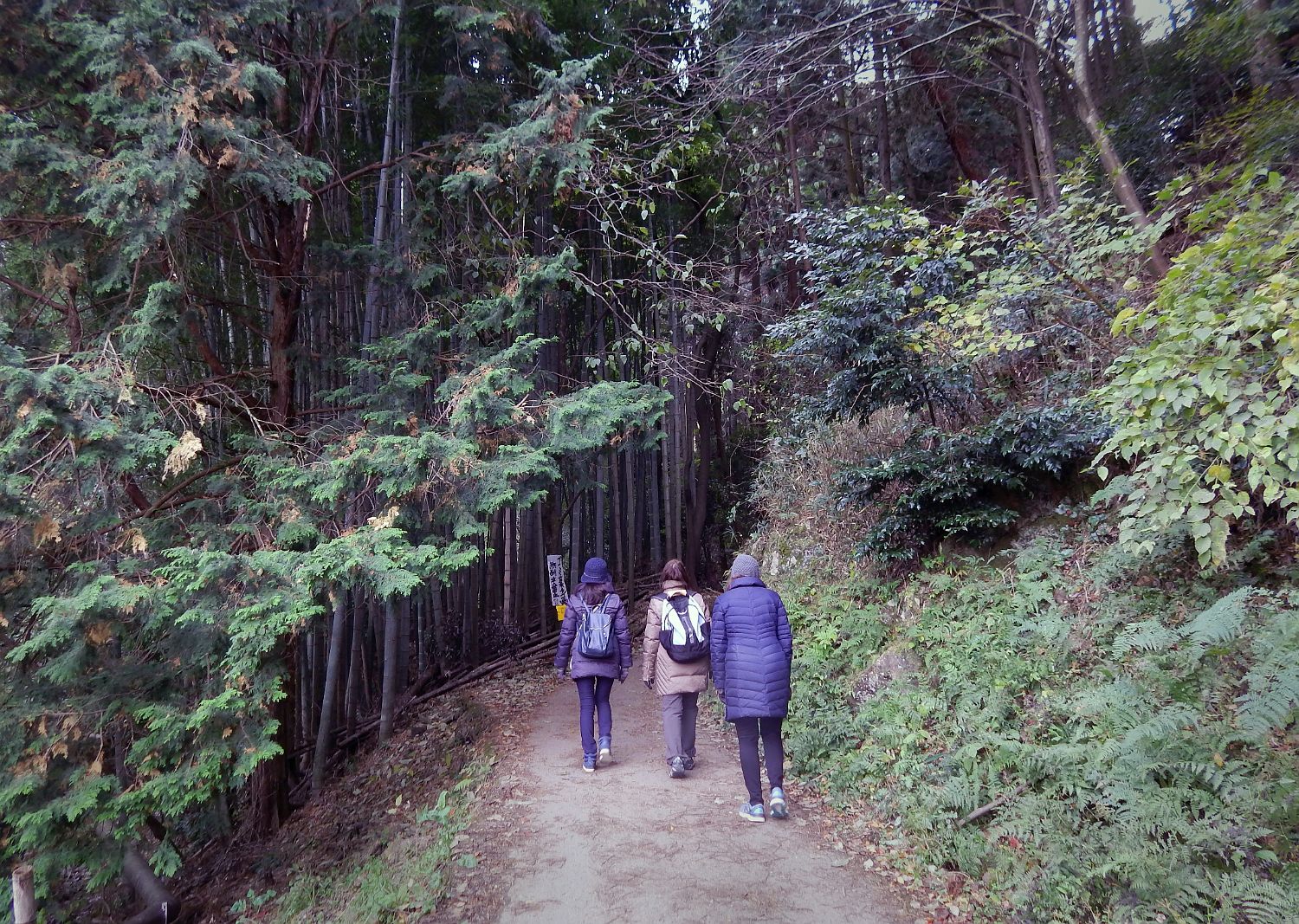
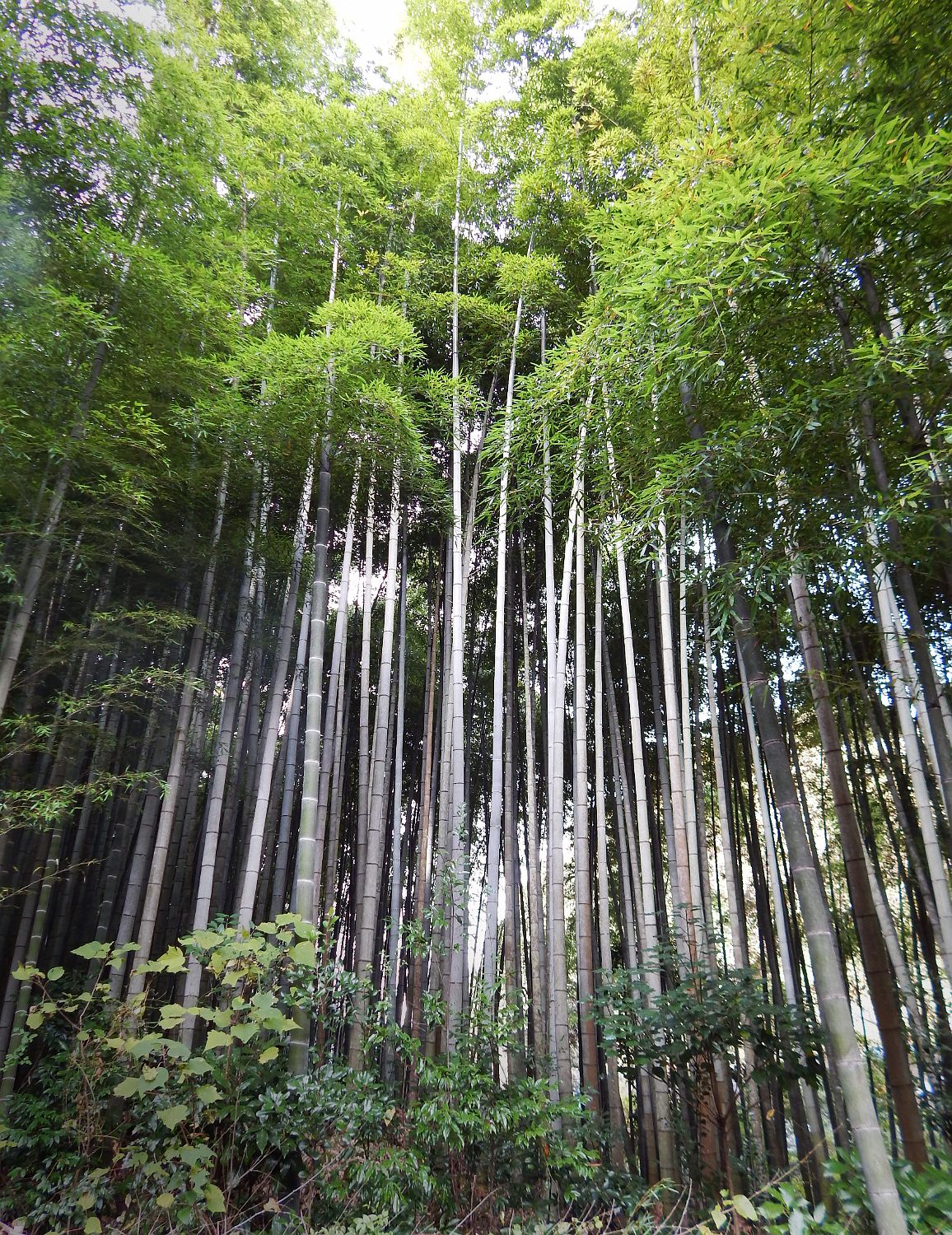
Back path through bamboo to our next shrine.
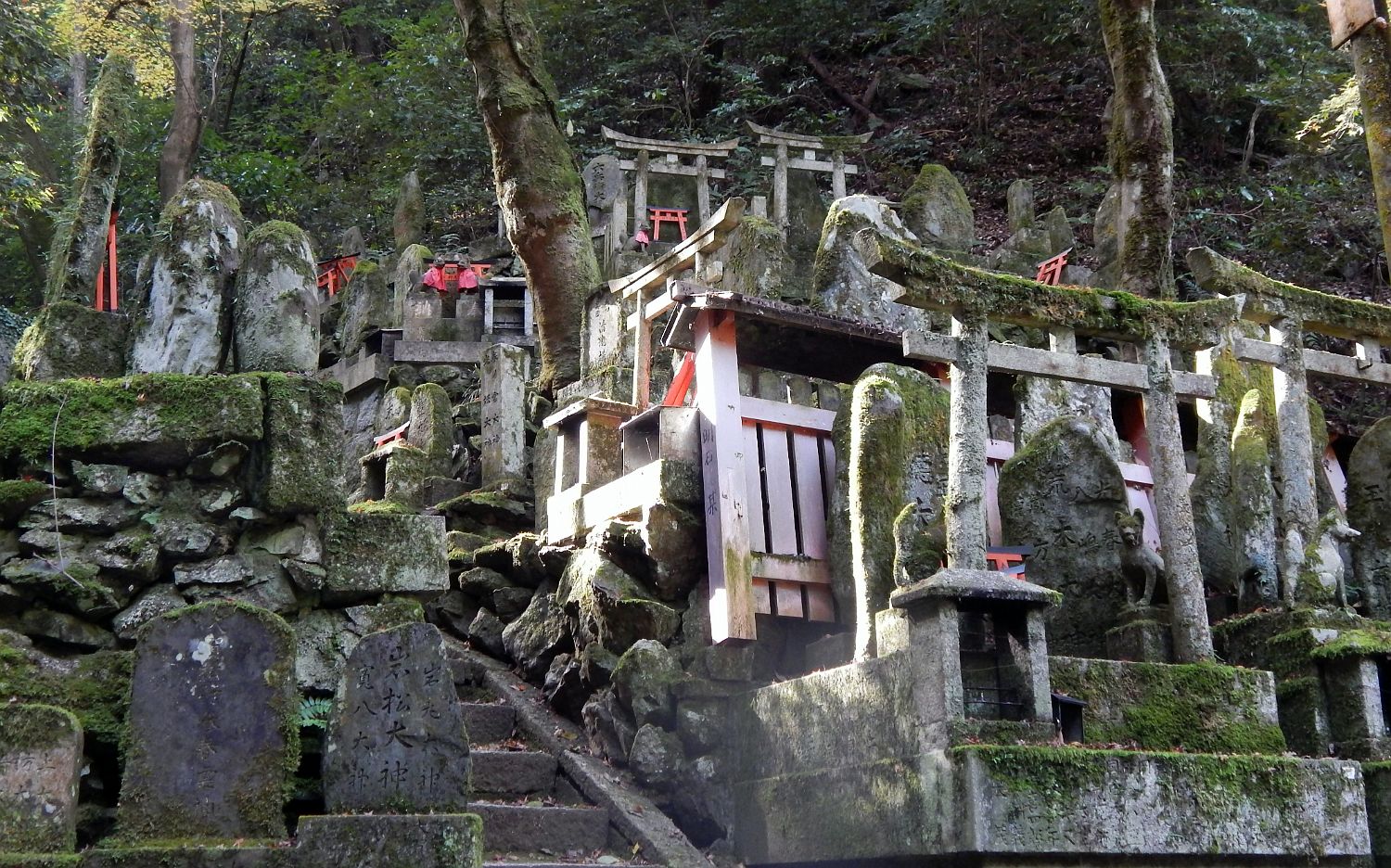
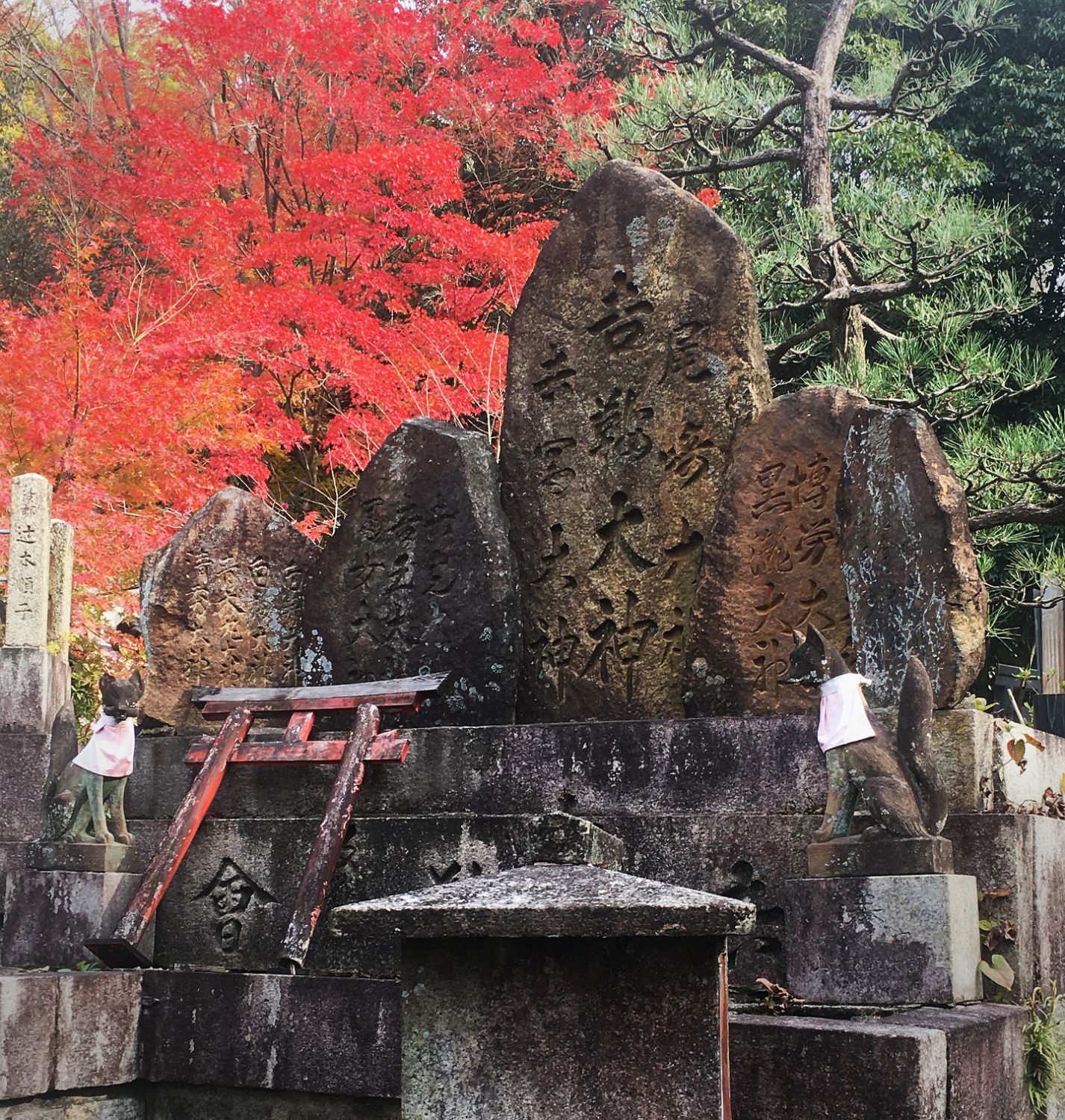
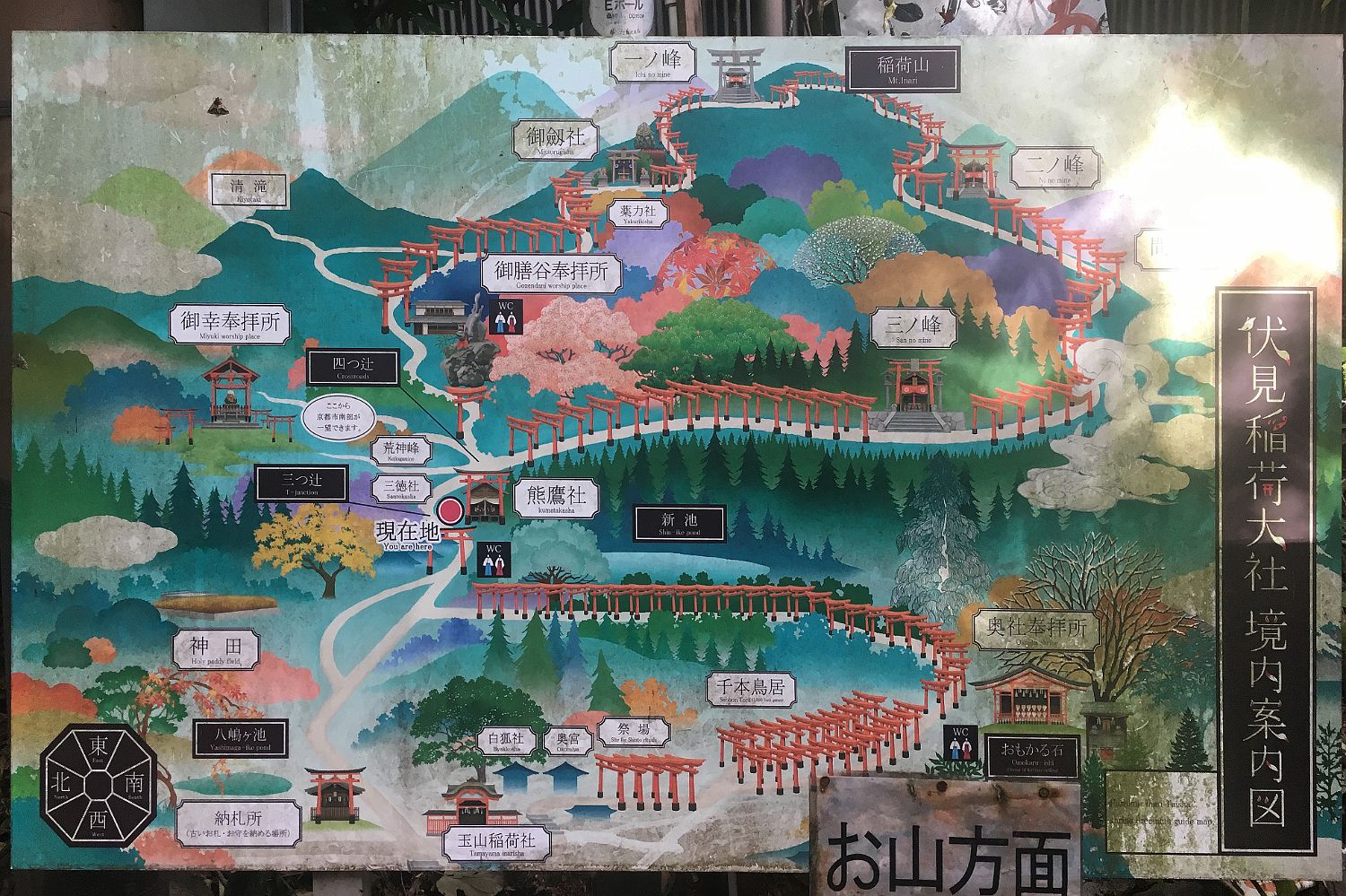
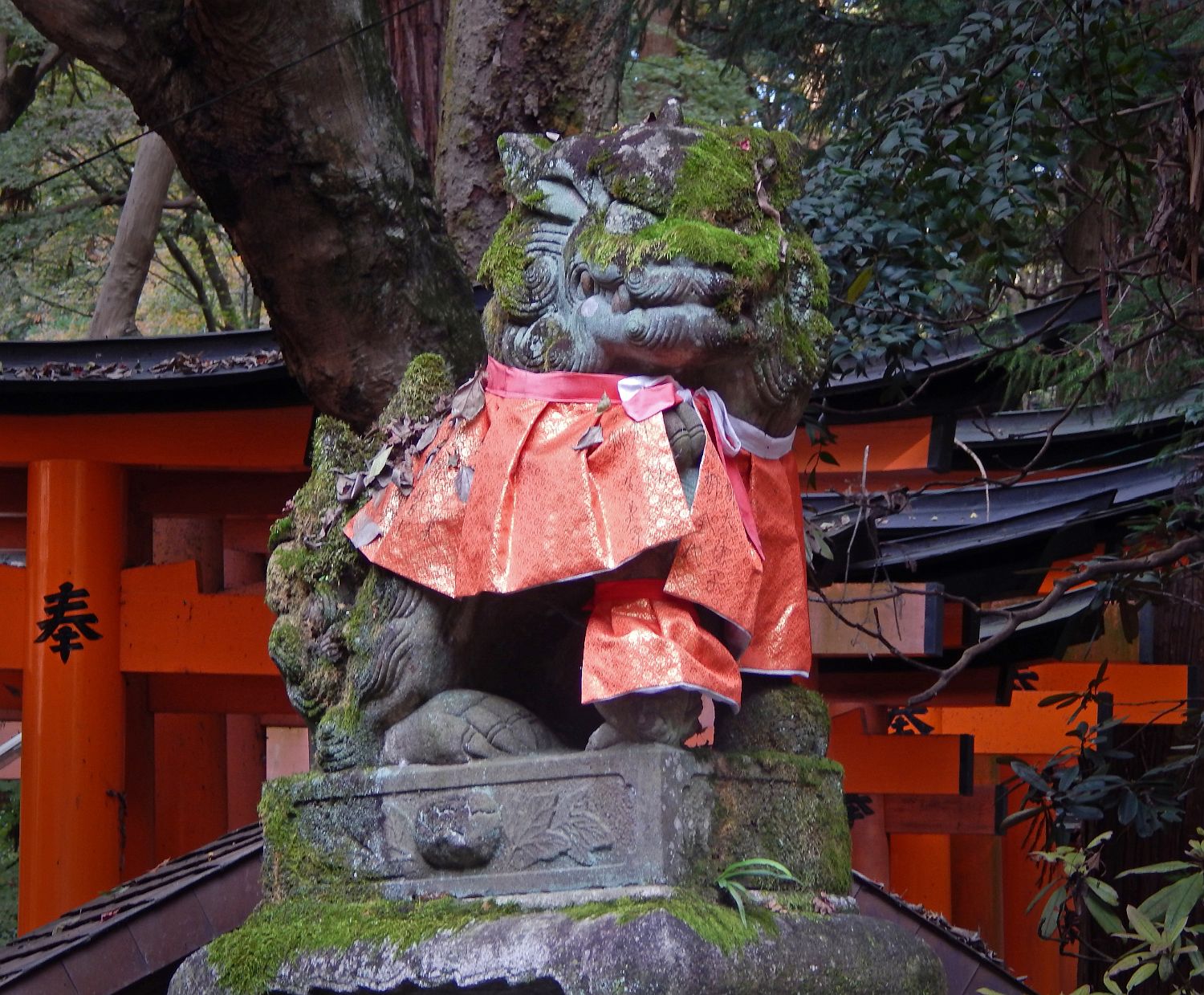
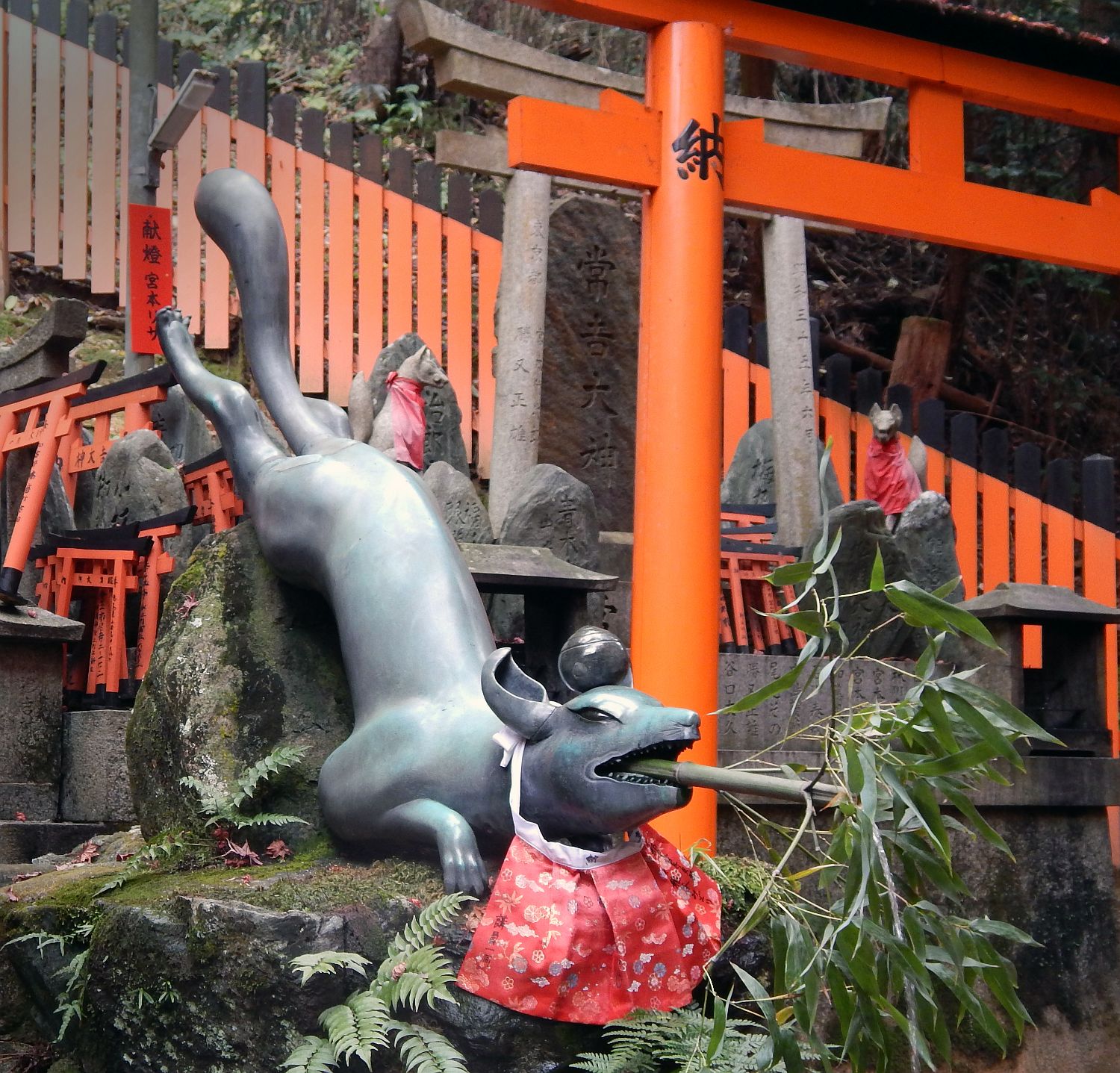
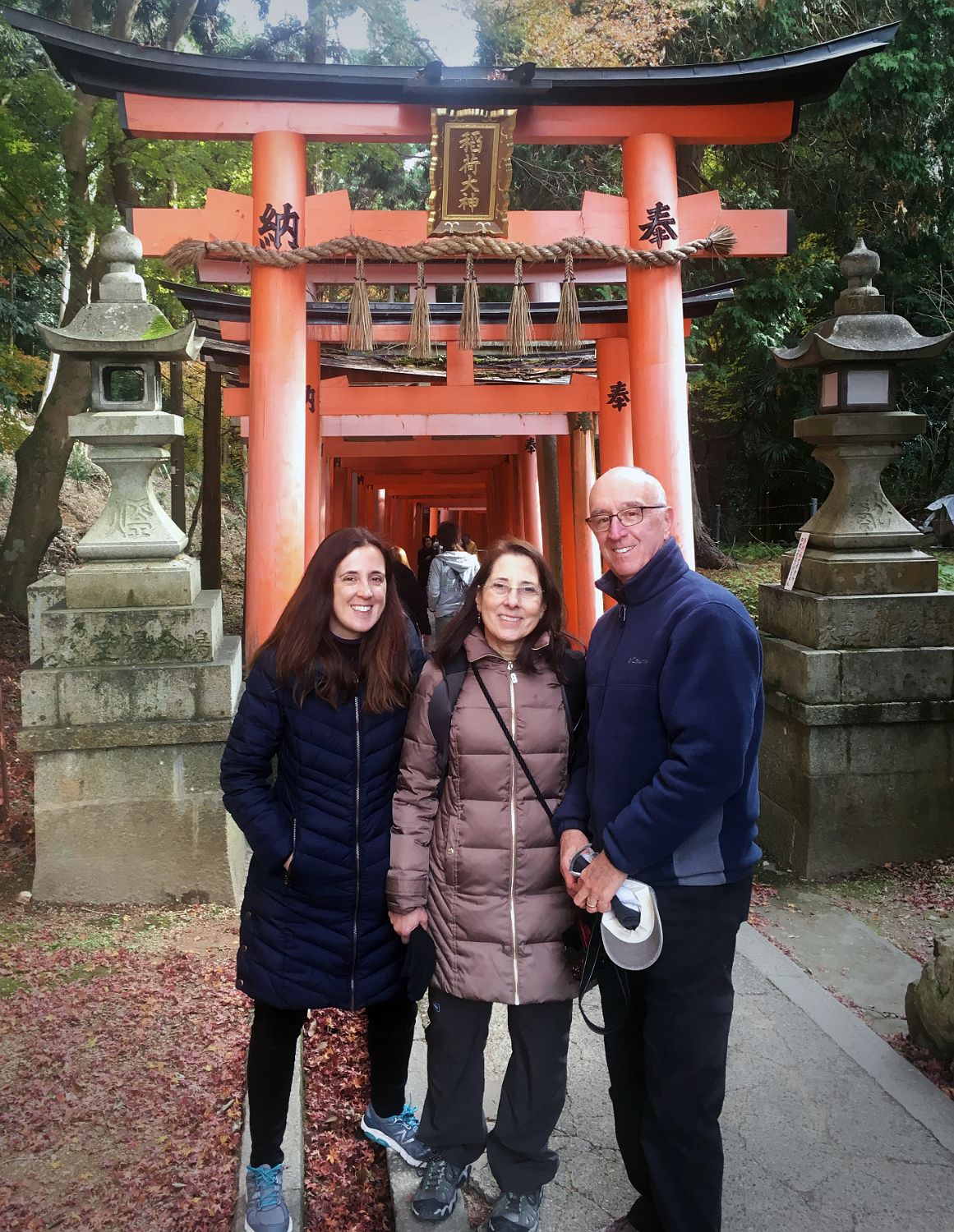
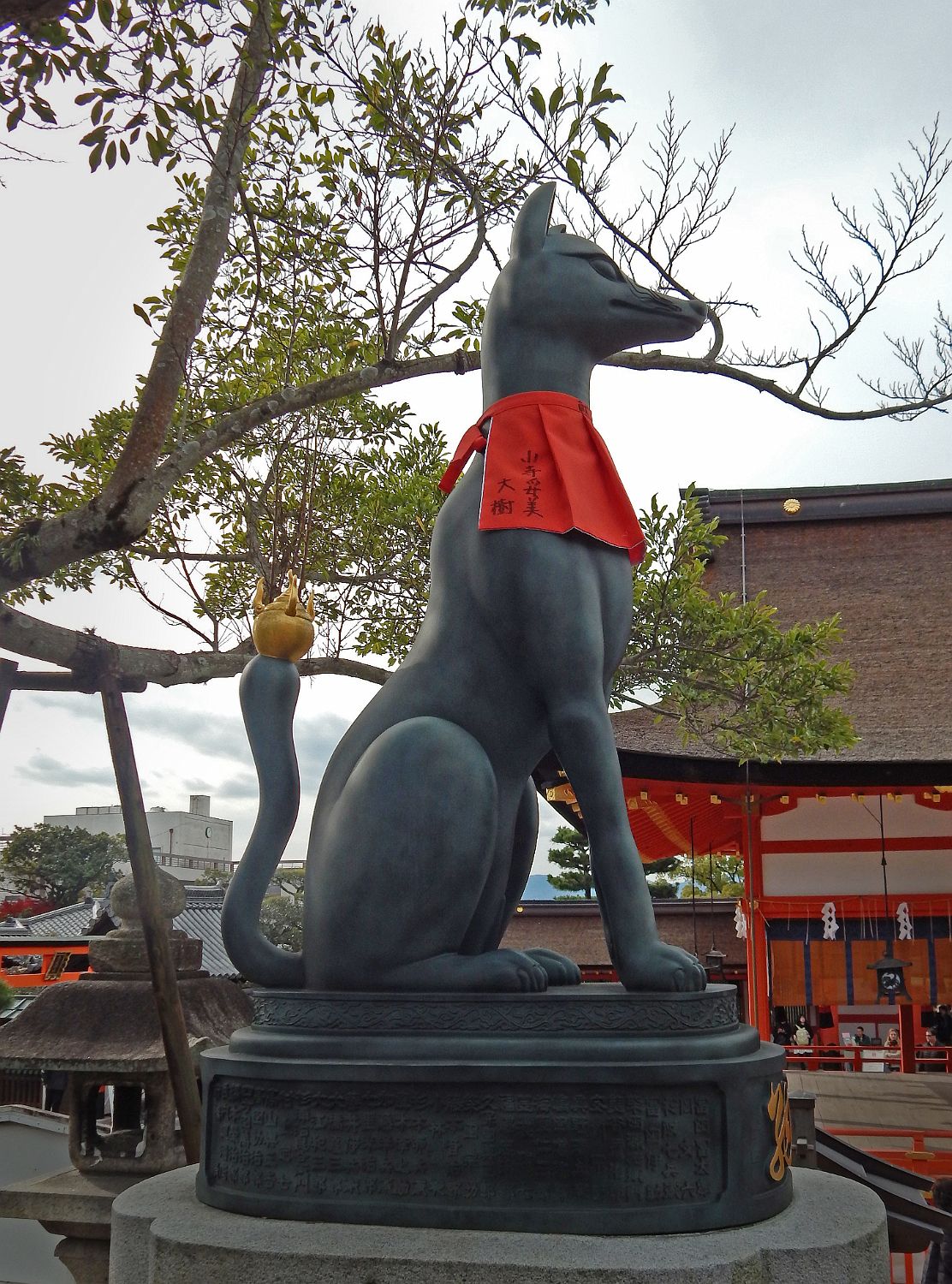
Beginning the Fushima-Inari-Taisha Shinto shrine. Note the ever-preset foxes which for some reason have red bibs.
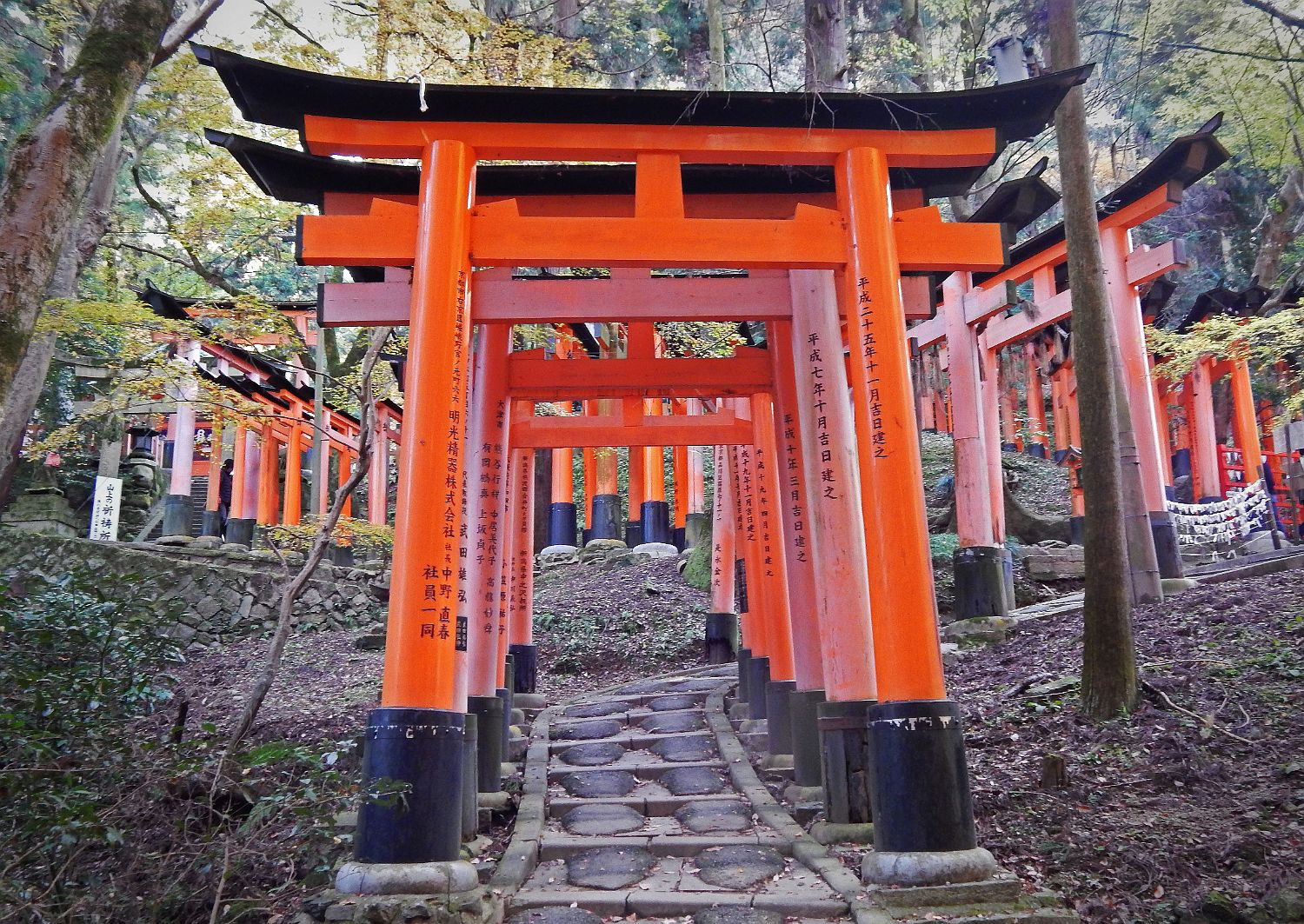
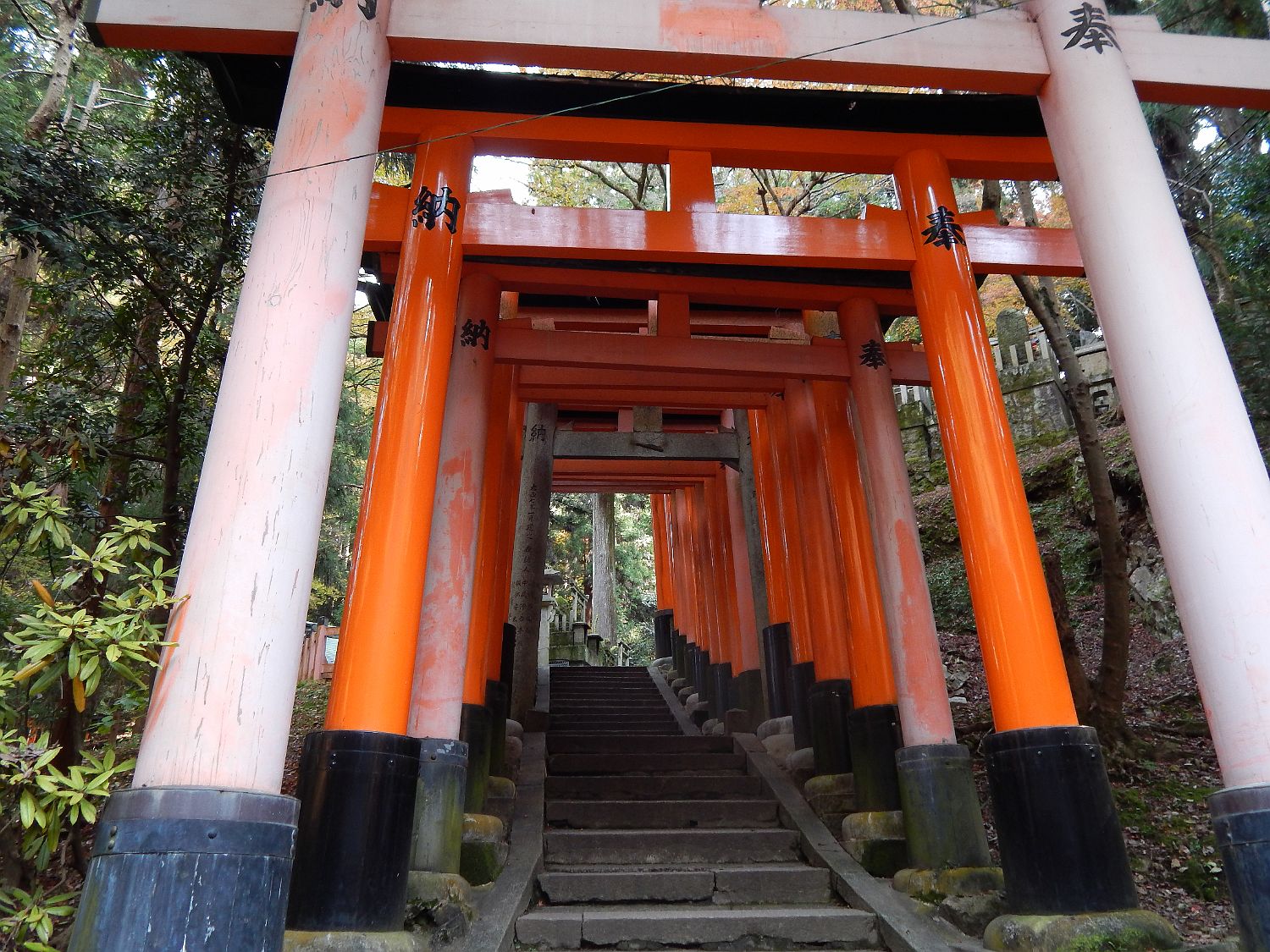
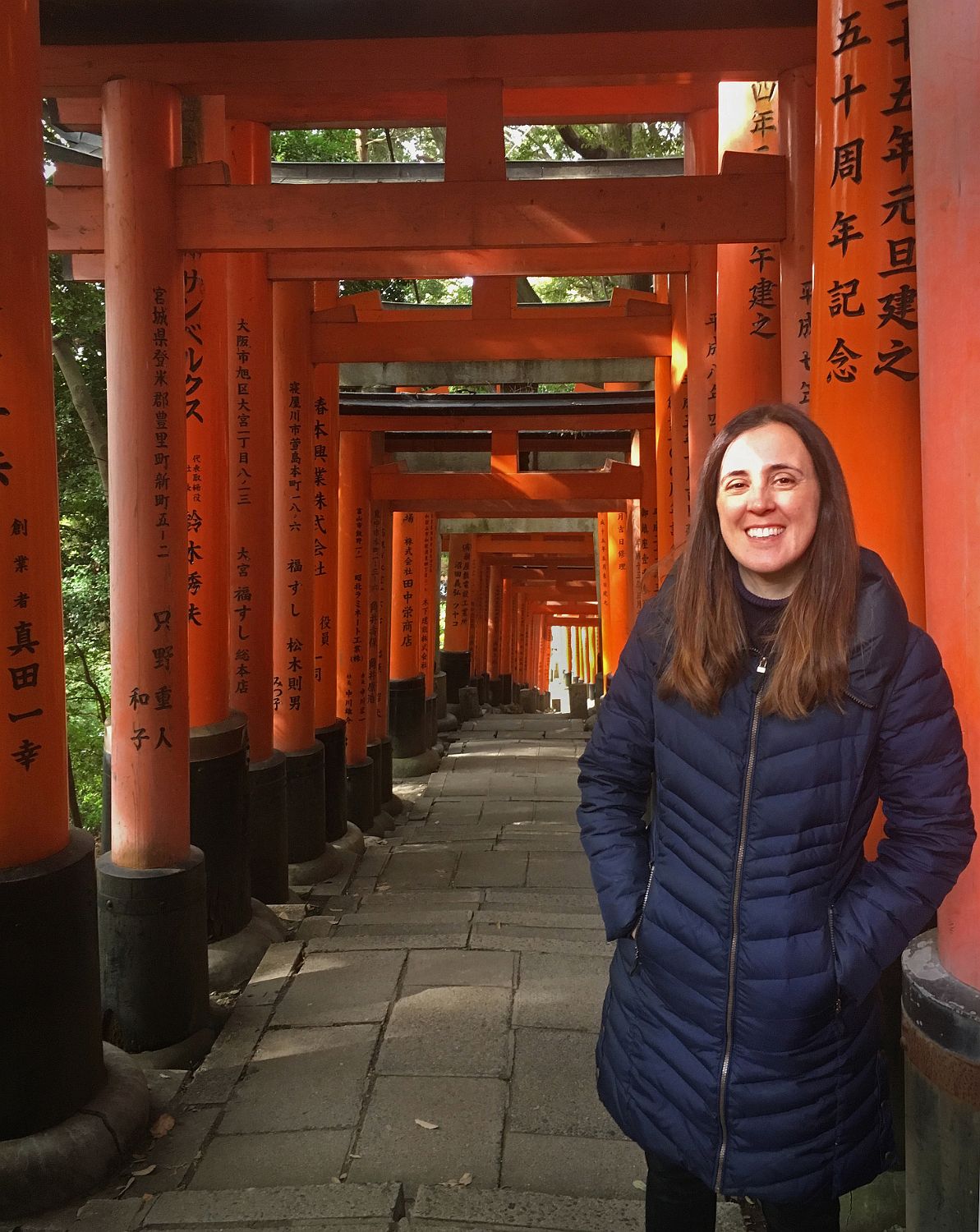
Considered one of the most impressive sites in Kyoto. There are hundreds of these arches, each sponsored by a family or company.
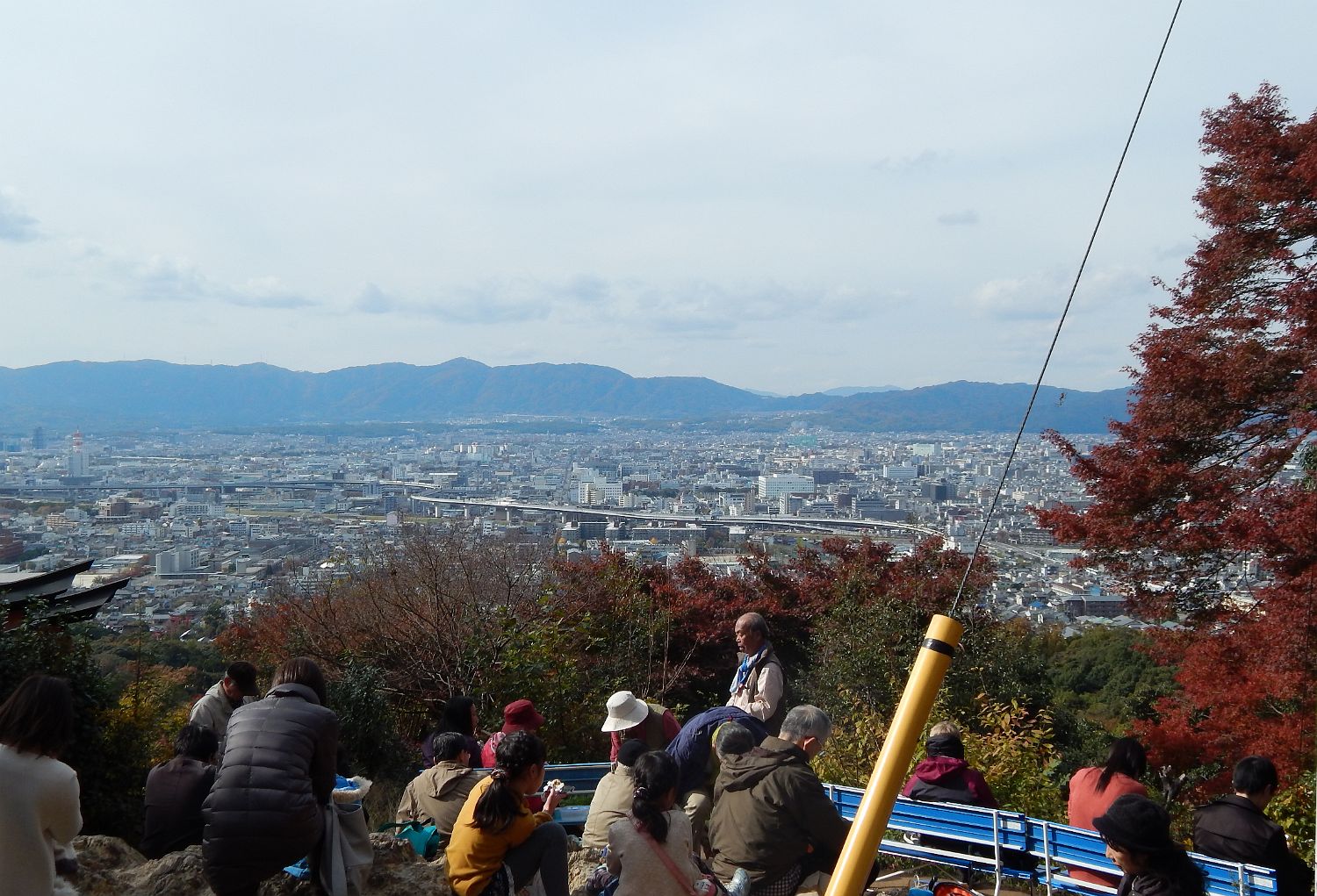
The shrine sits high in the hills overlooking Kyoto.
Mouth open. . .
. . .mouth closed.
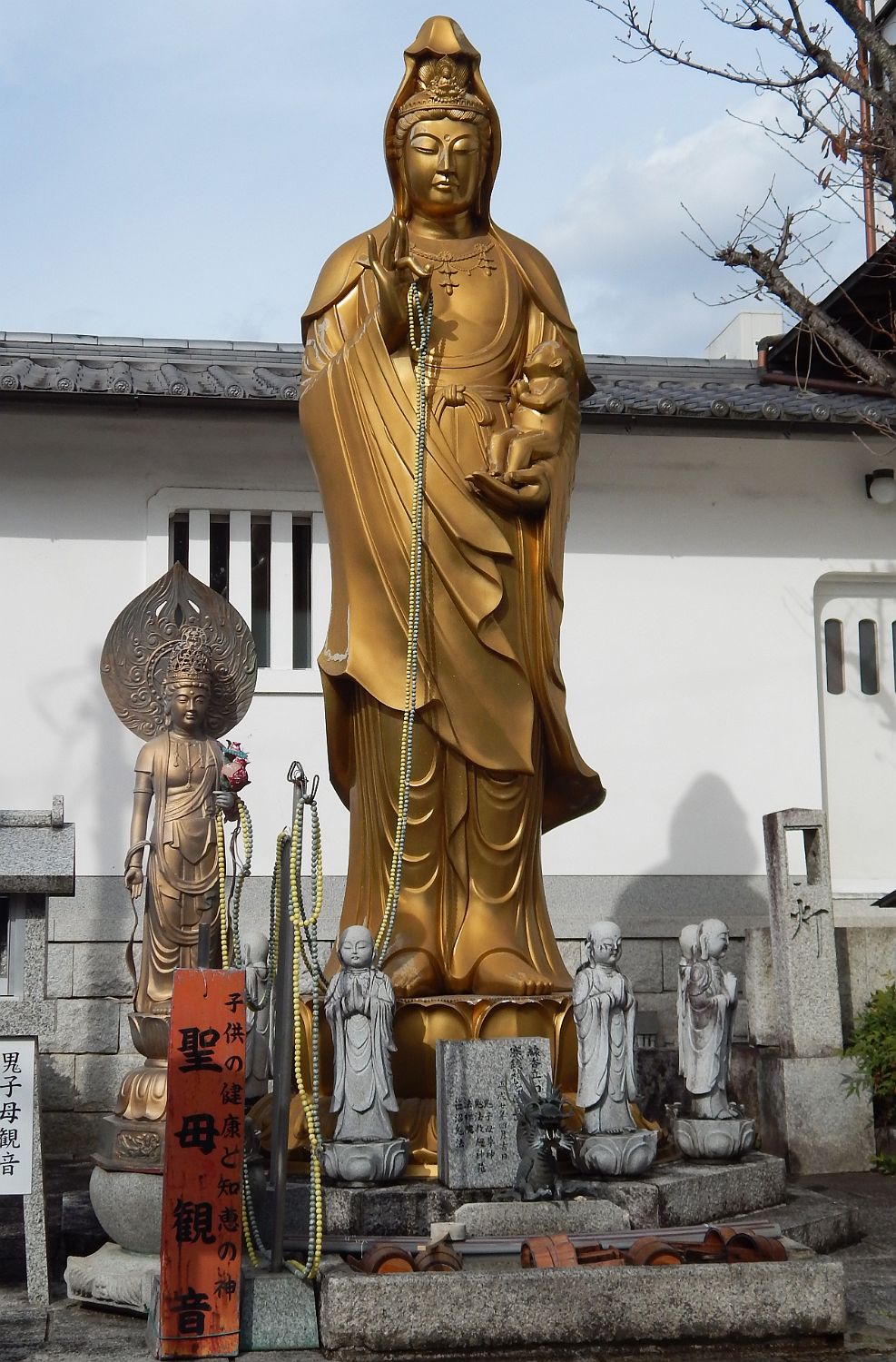
Shrine to children who died young or in childbirth. The beads are similar to a Catholic rosary.
Looking for lunch recommeded by our guide, near the "Lipton Tea" store.
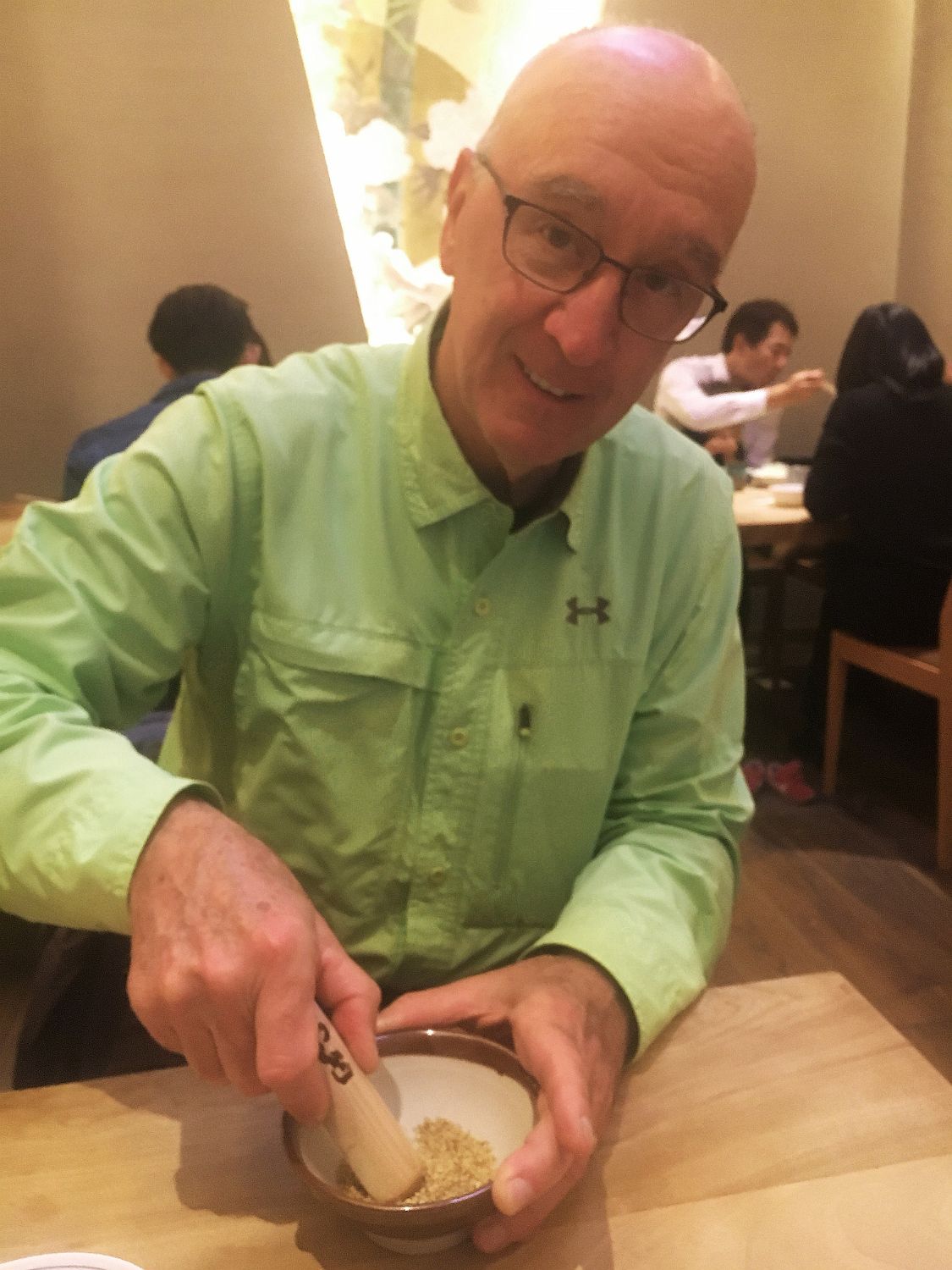
Crushing sesame seeds for our pork tenderloin.
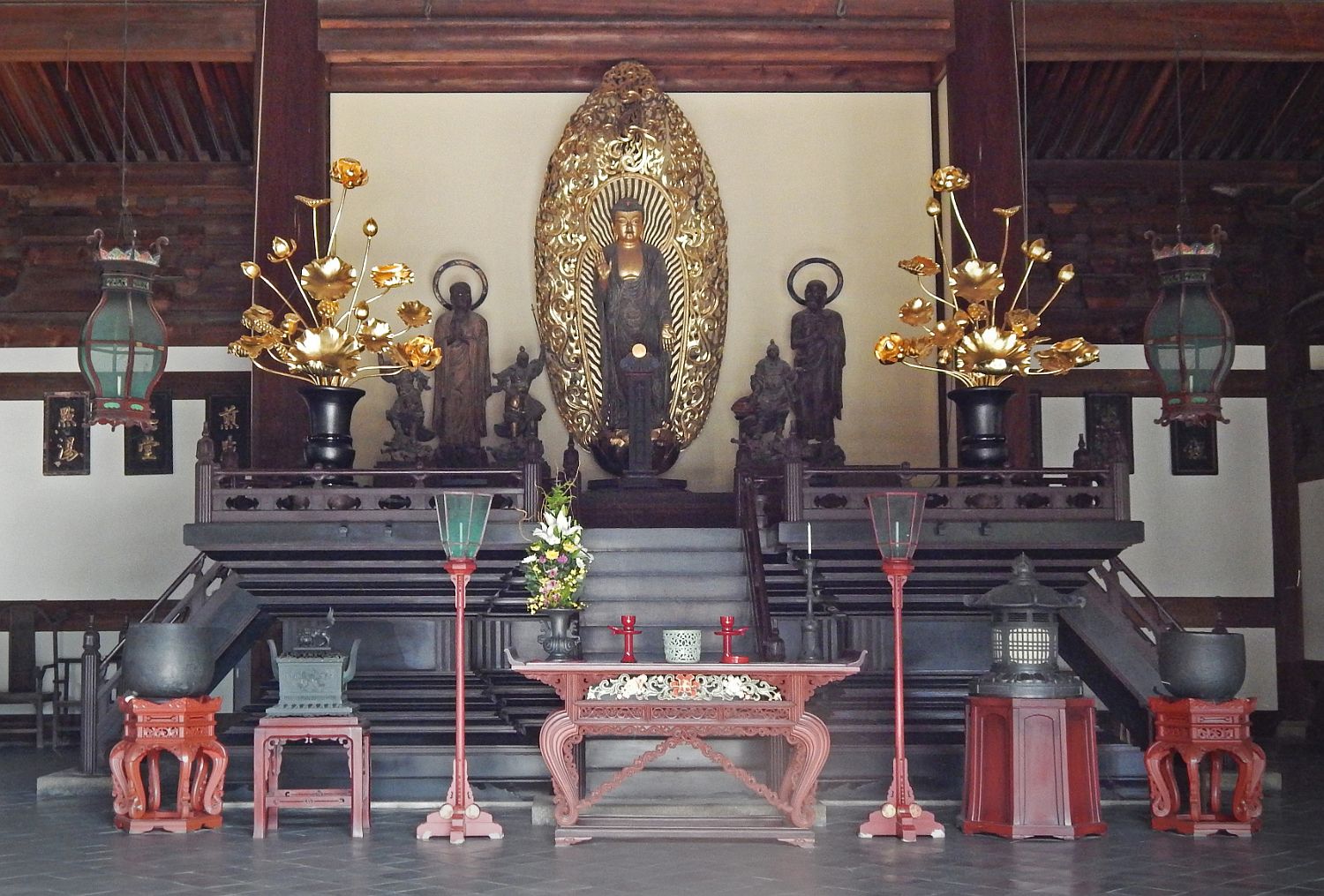
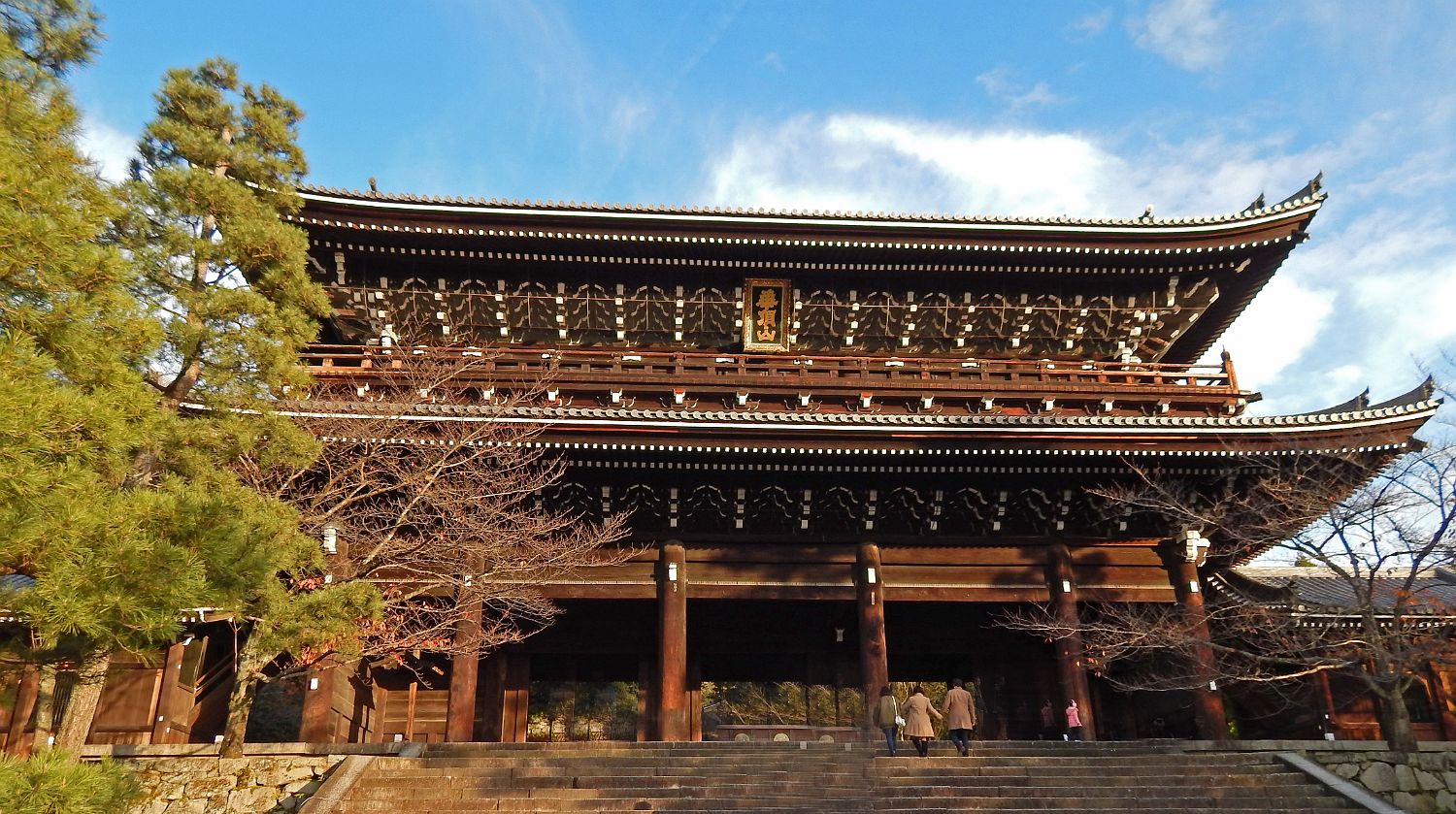
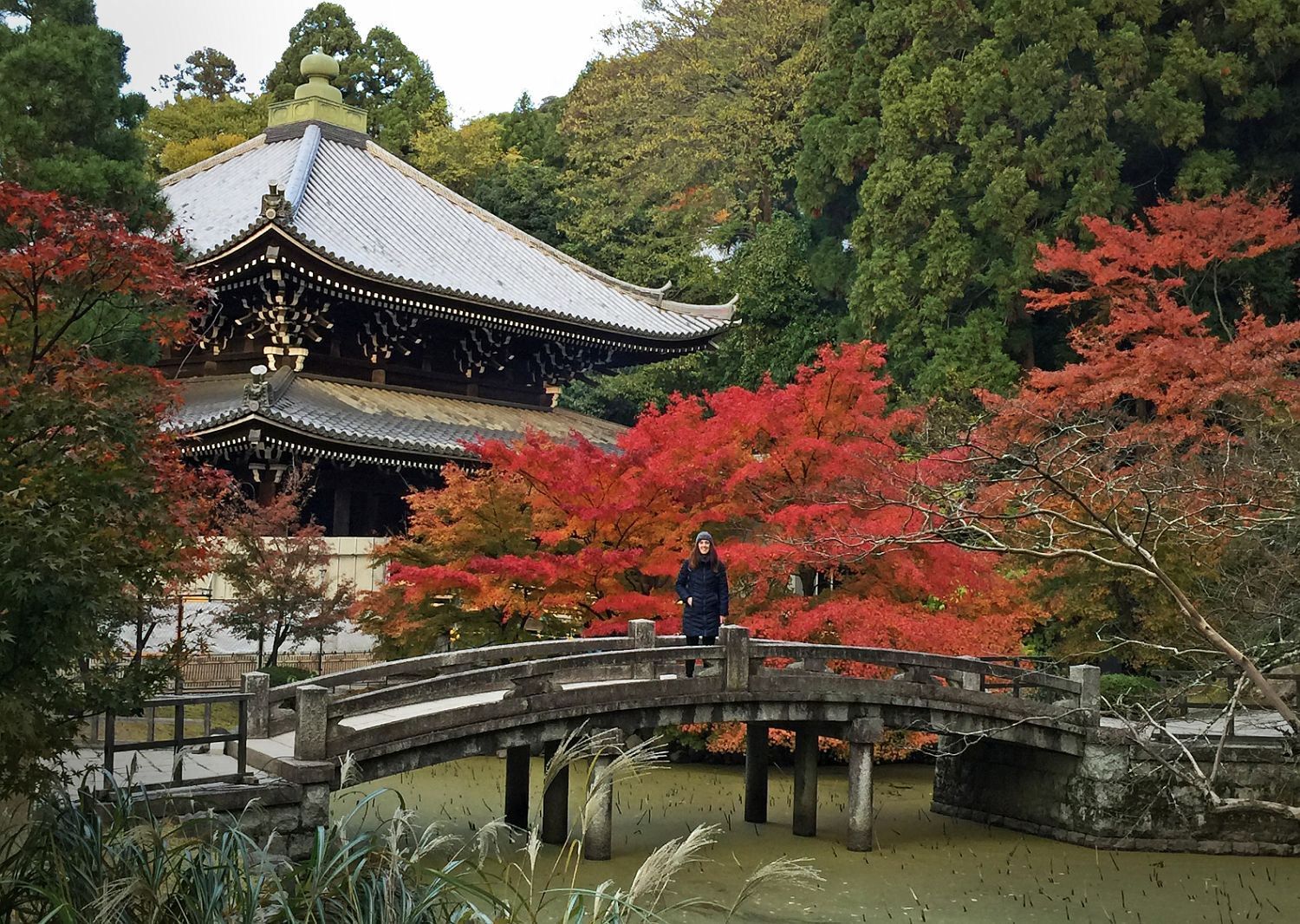
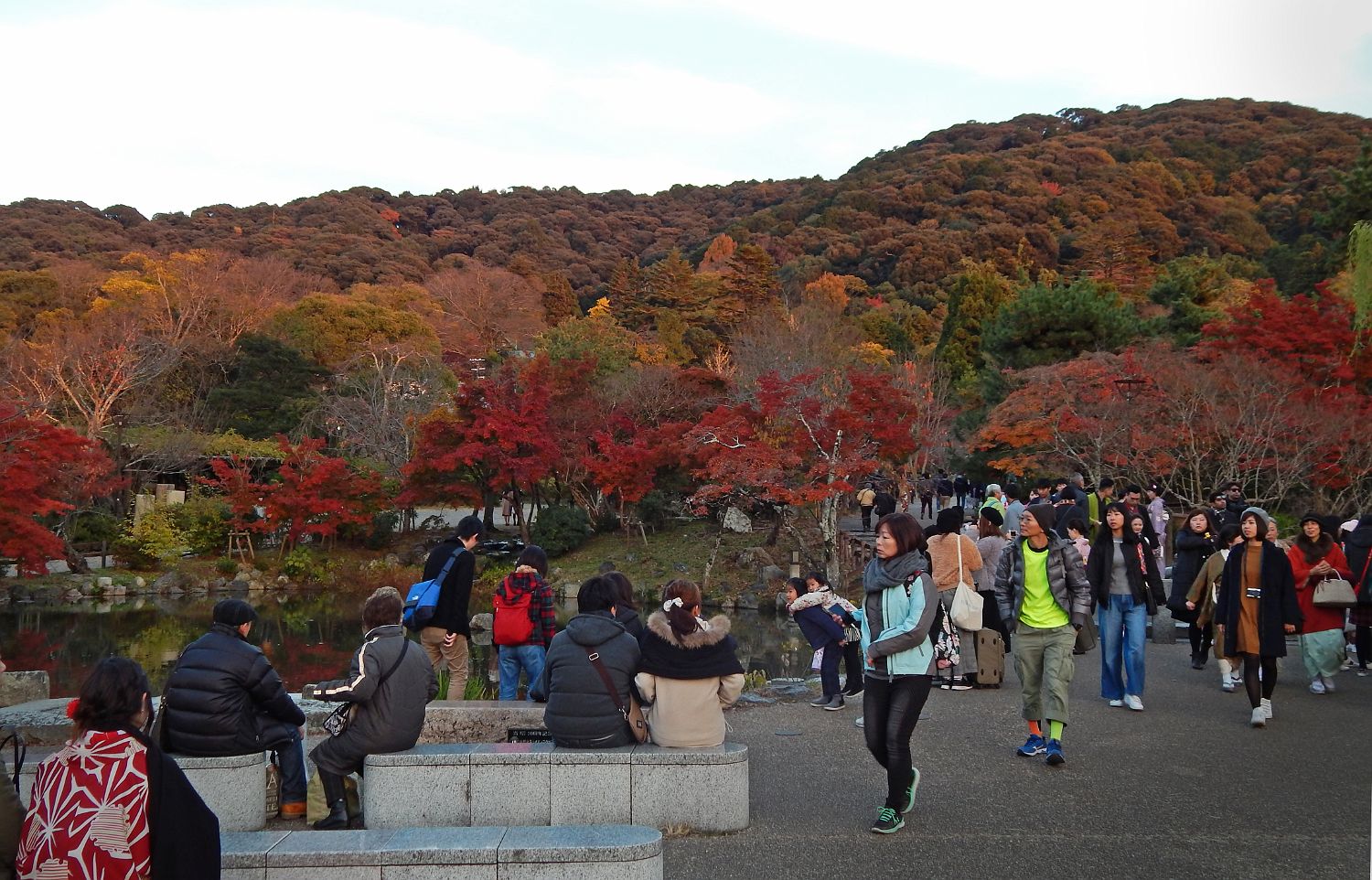
The vast Chion-in Temple, another popular landmark in Kyoto. The larger temples are whole collections of buildings and smaller subtemples.
Heading back to the guest house. Saw a lot today!
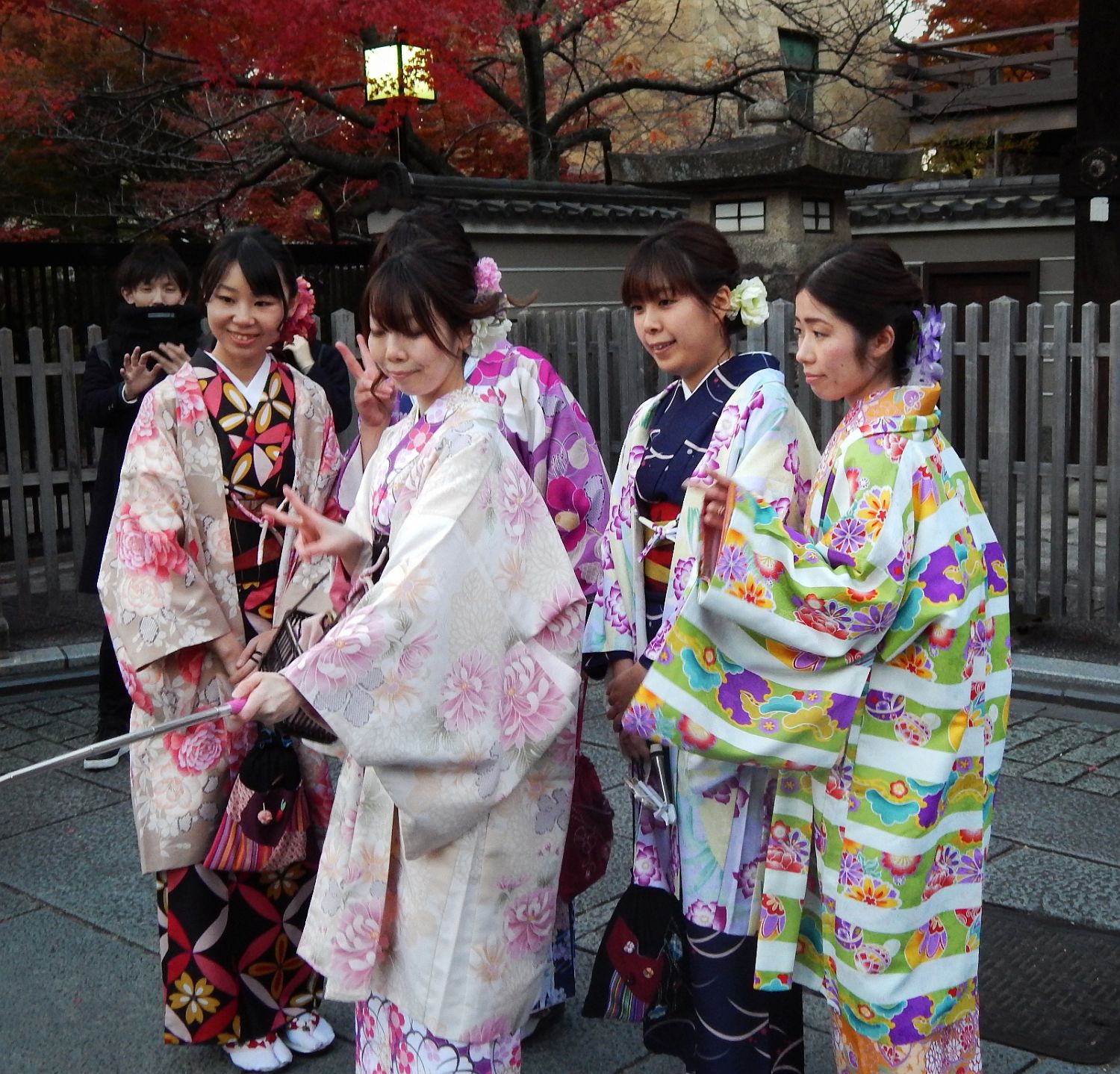
Taking a Kimono selfie. Young ladies rent kimonos.
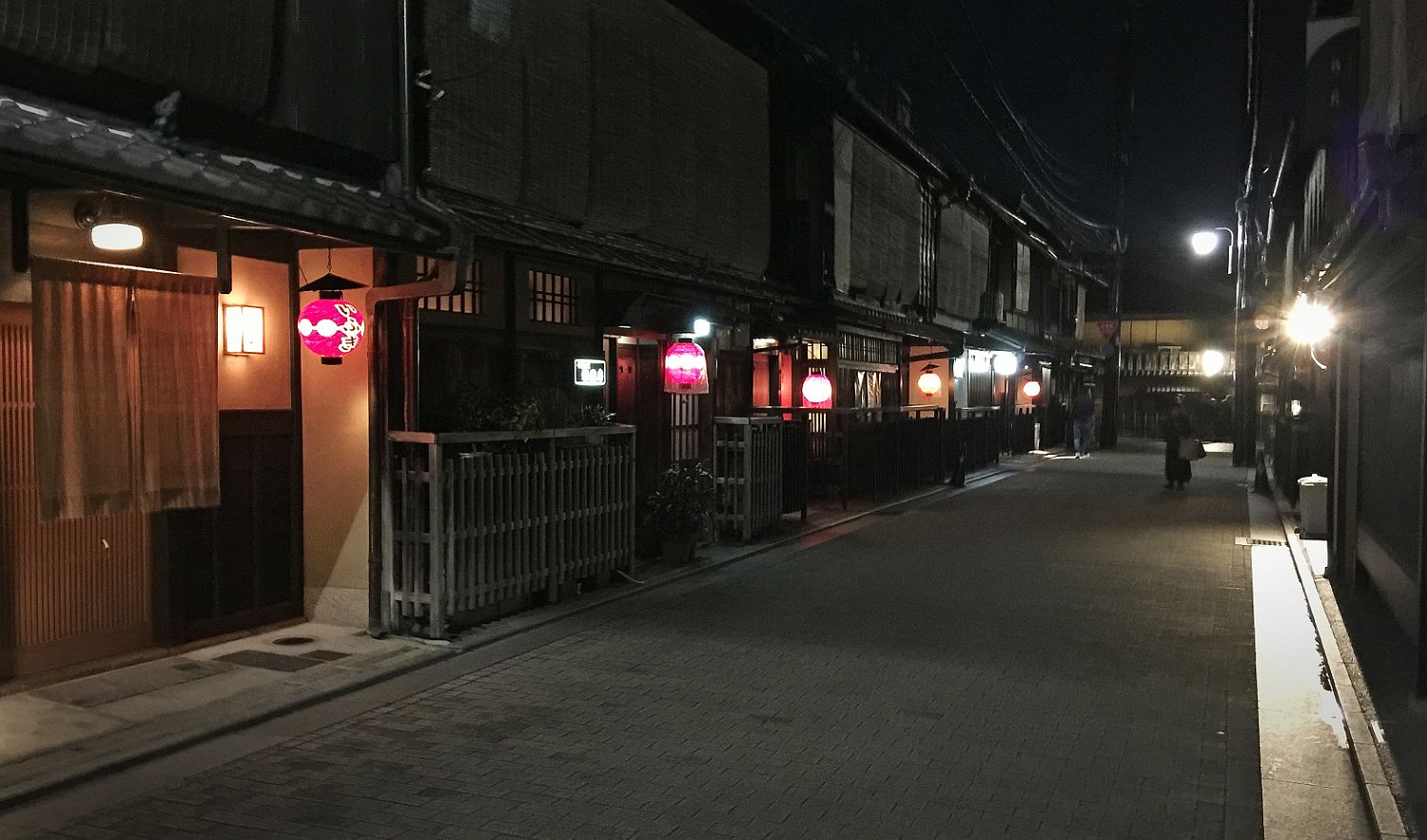
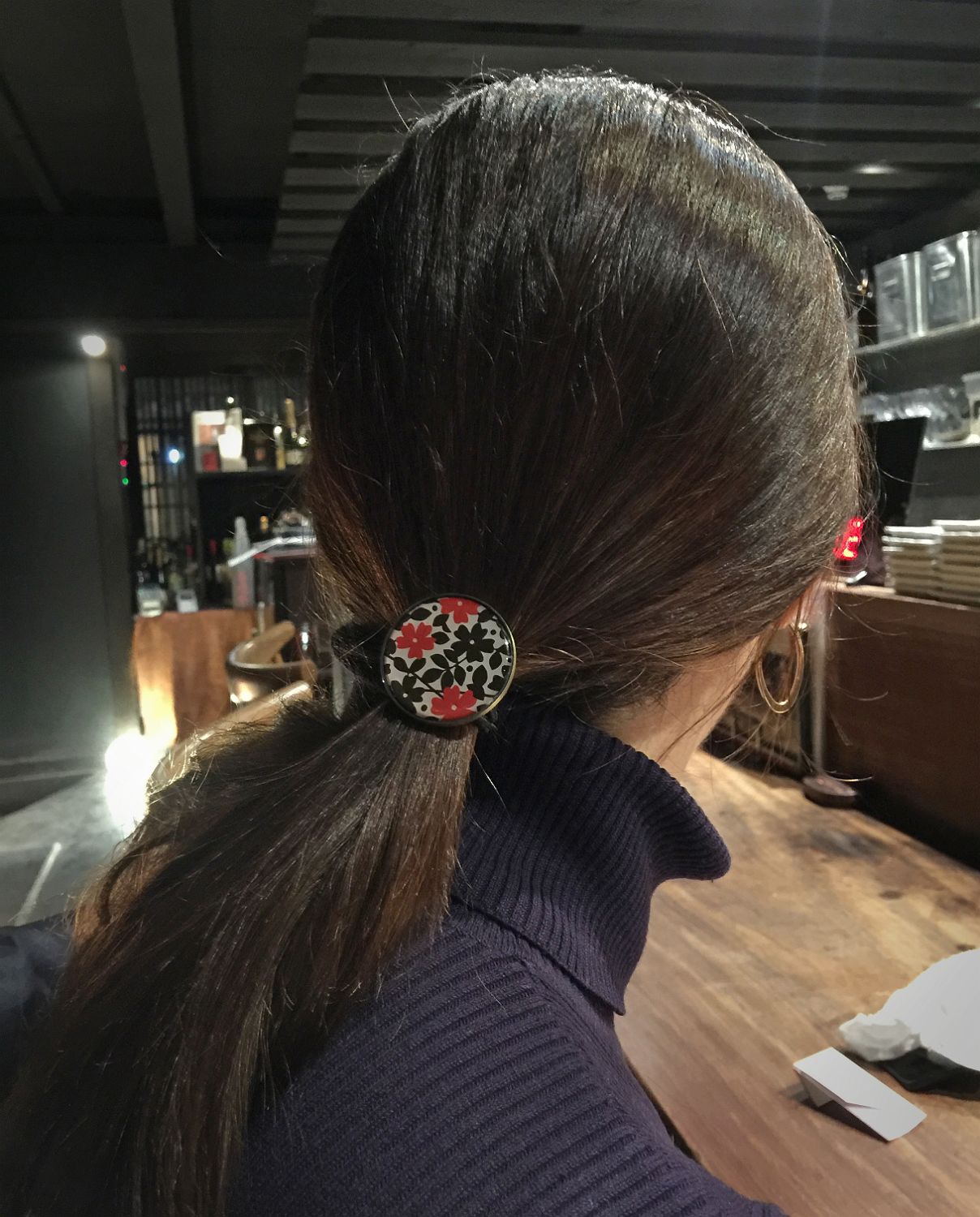
Steph and Samantha take dinner in the geisha district at the Manzara Gion restaurant. Steve sleeps. On the way home they see a geisha escorting her guests to their car.