 Auschwitz was the administrative center for a complex of camps. It was originally an old Polish brick army barracks. The majority of Jews were sent to Birkenau (Auschwitz II). |
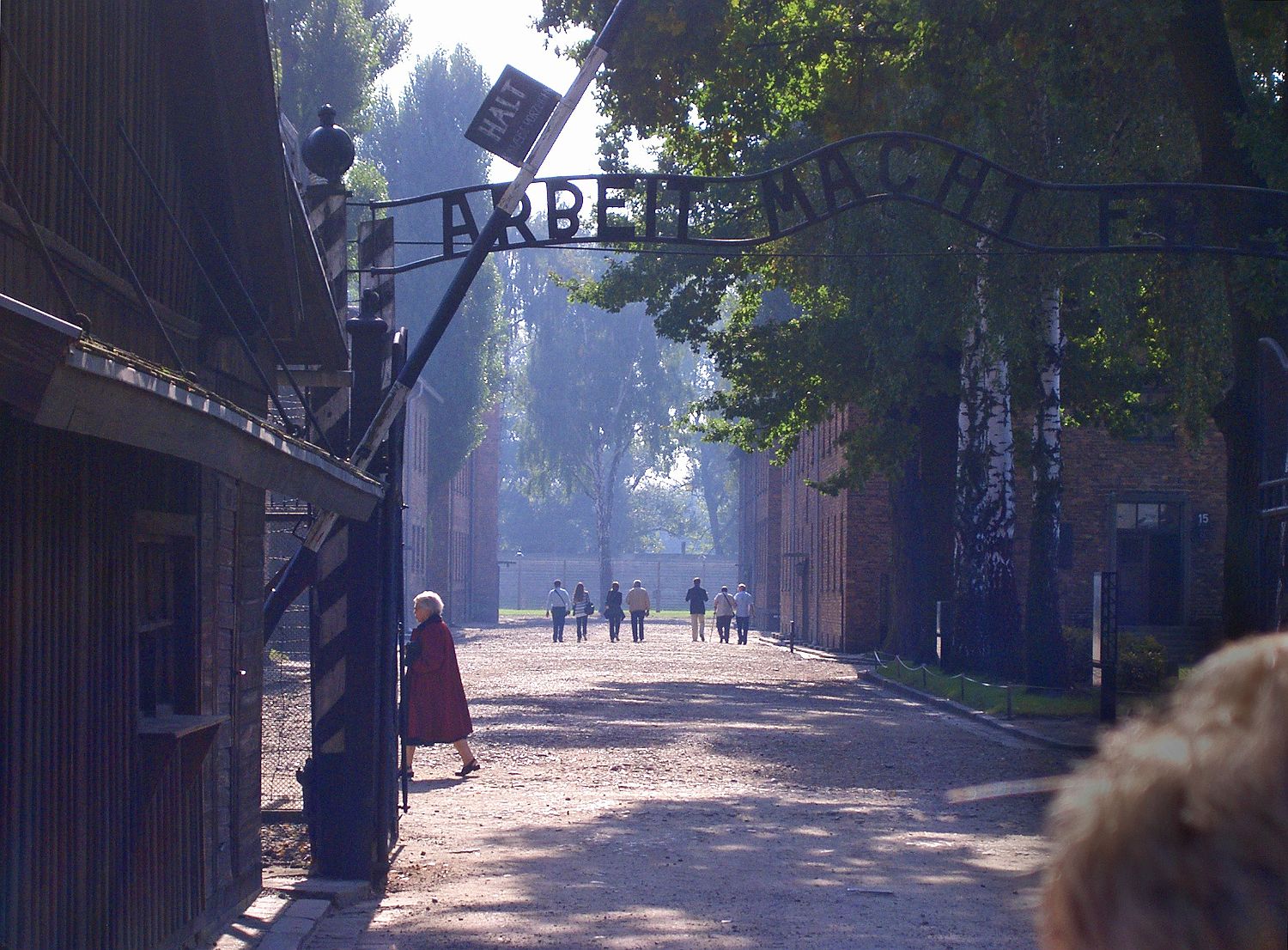 Aushwitz entrance. “Arbeit Macht Frei” means “work makes (one) free." |
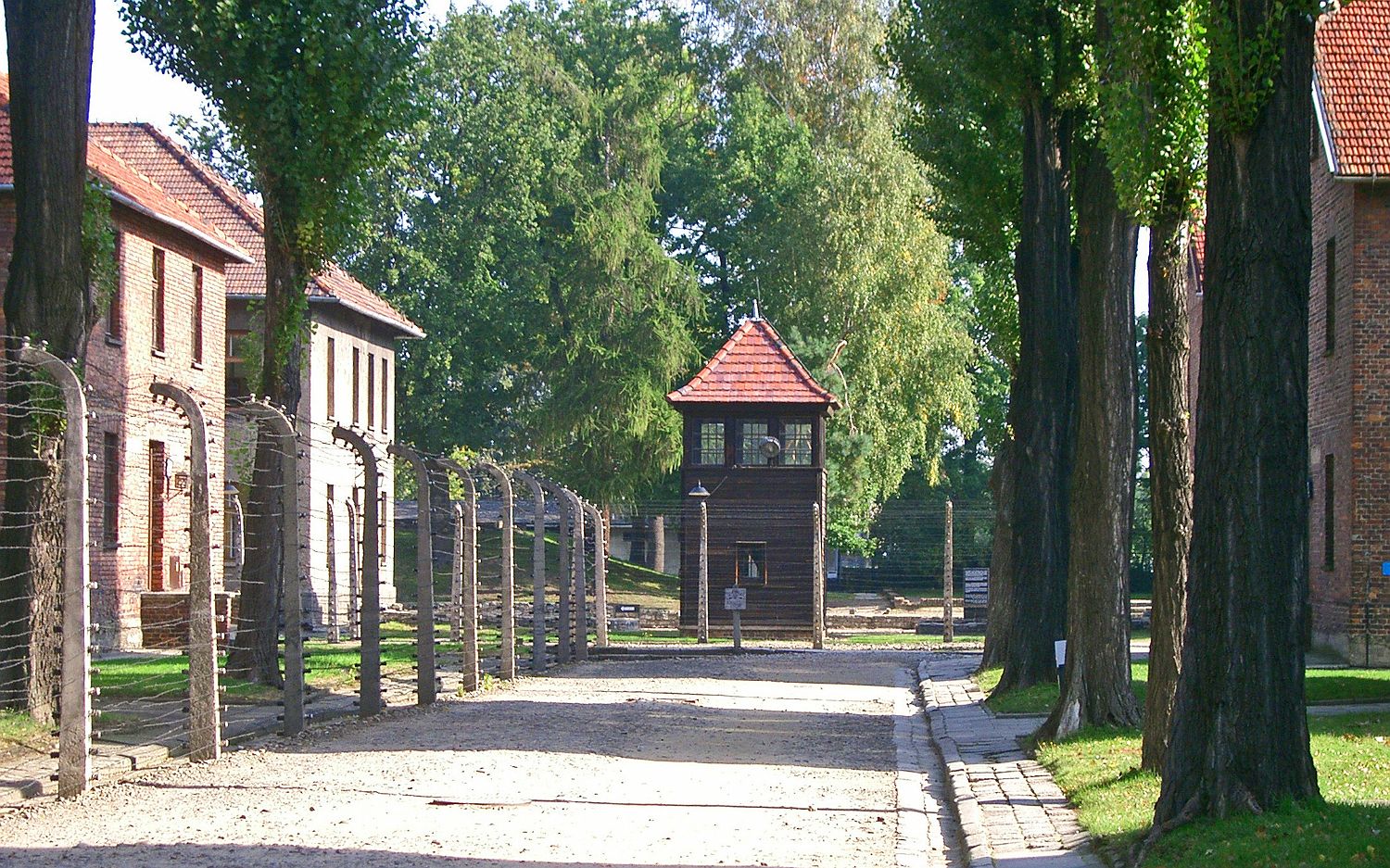 The camp was initially used for interning Polish intellectuals and resistance movement members. It's believed that 70,000 people, mostly Poles and Russians, were killed here. |
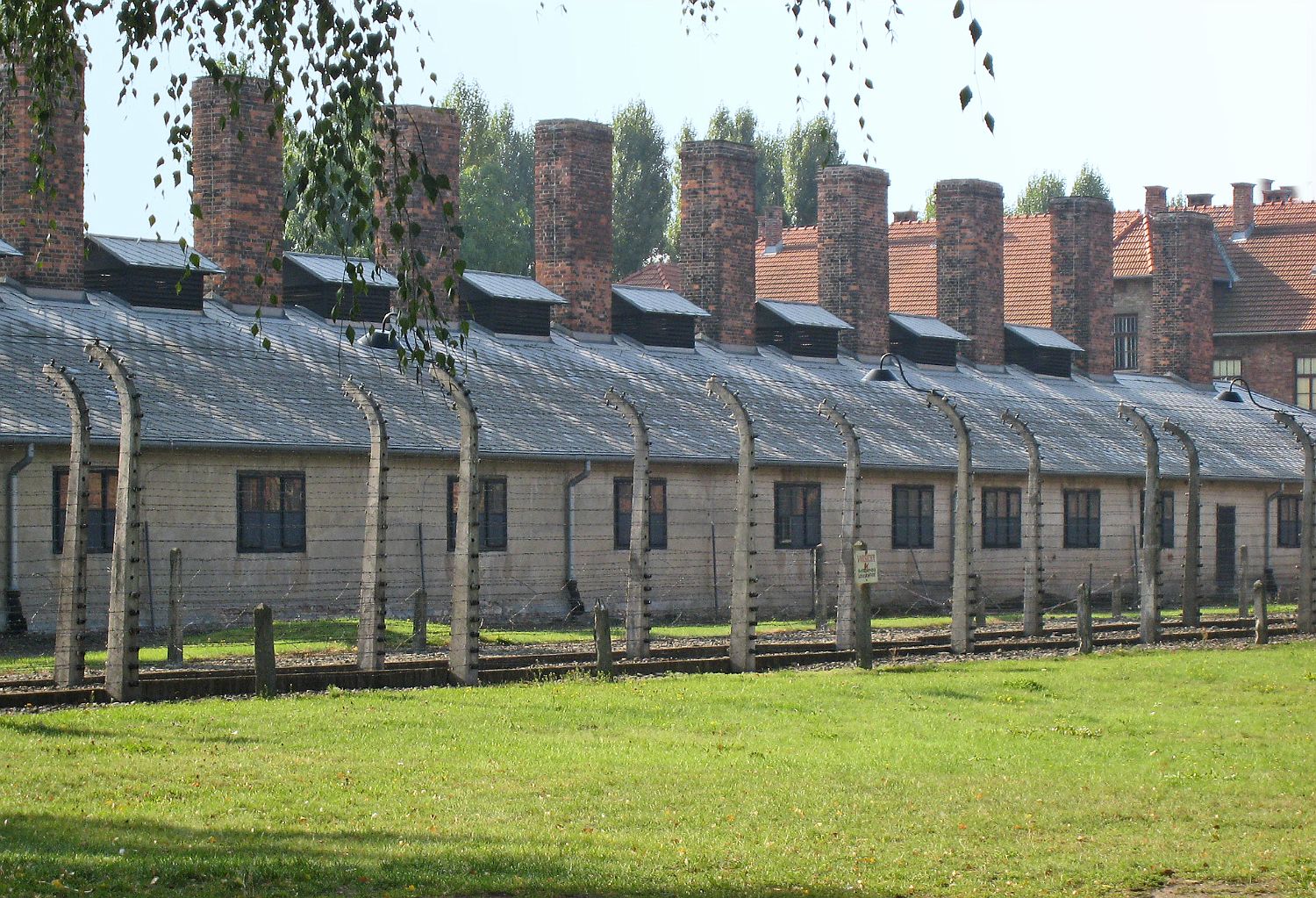 Experiments were performed on women prisoners. |
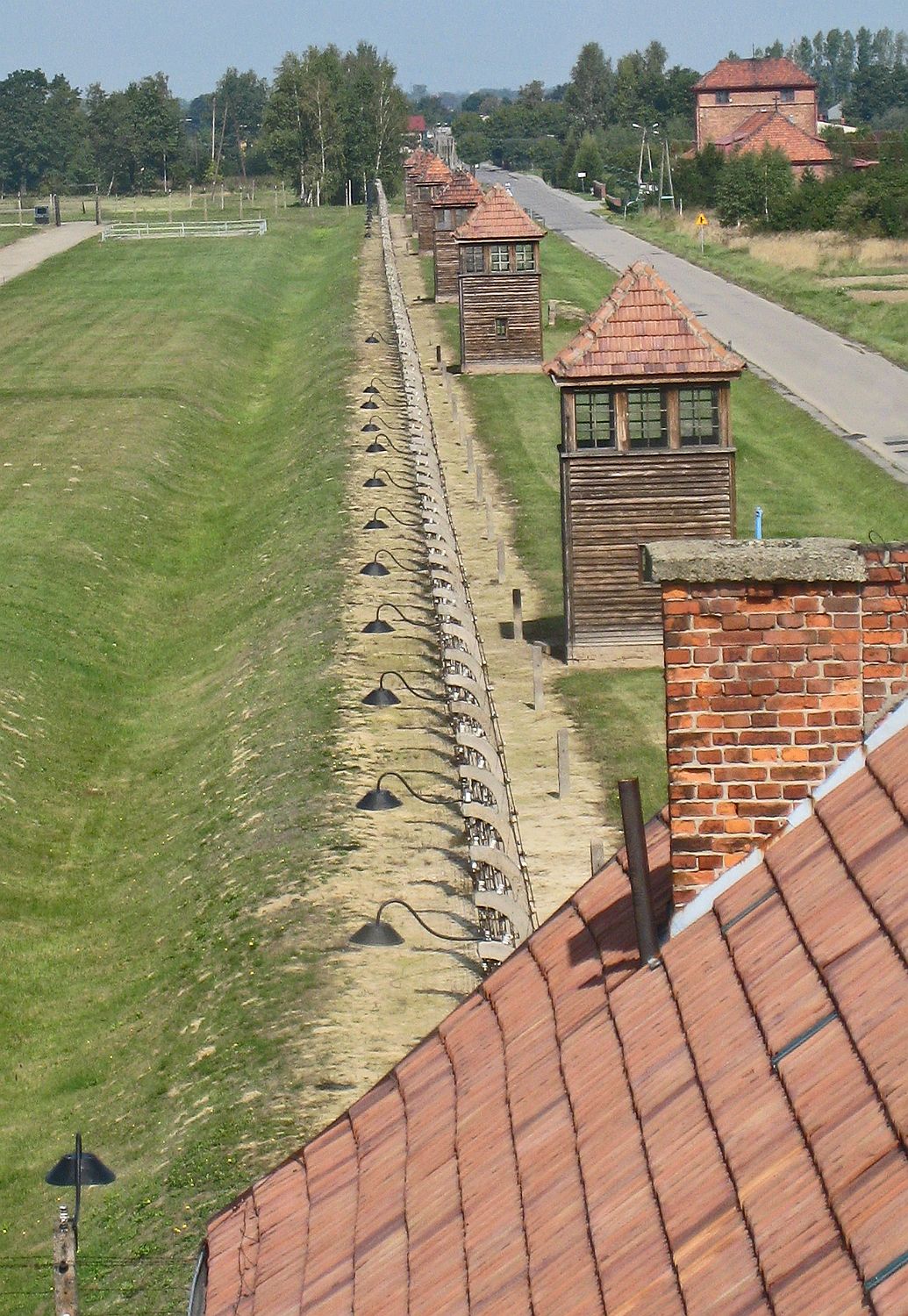
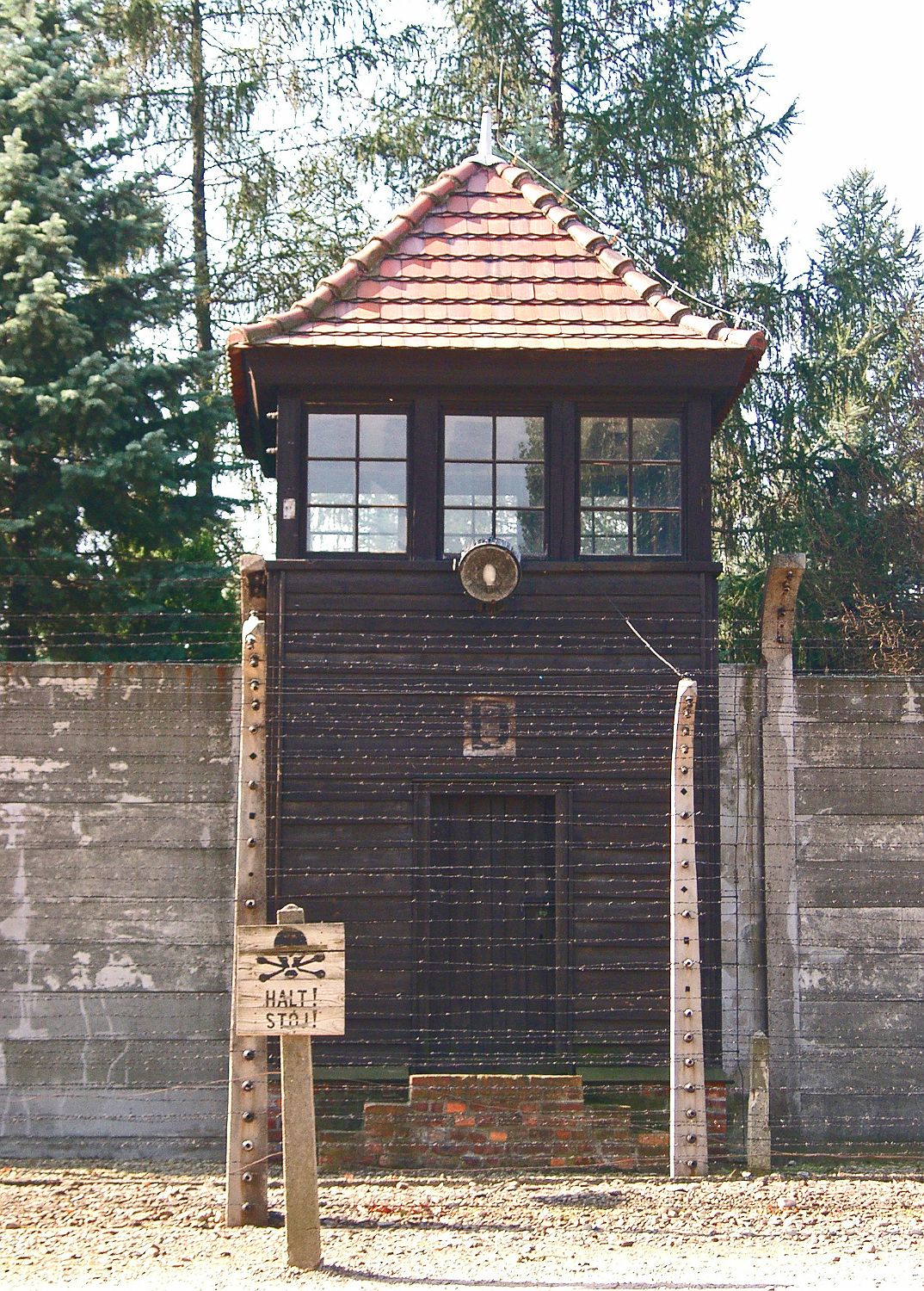 One of many guard stations. |
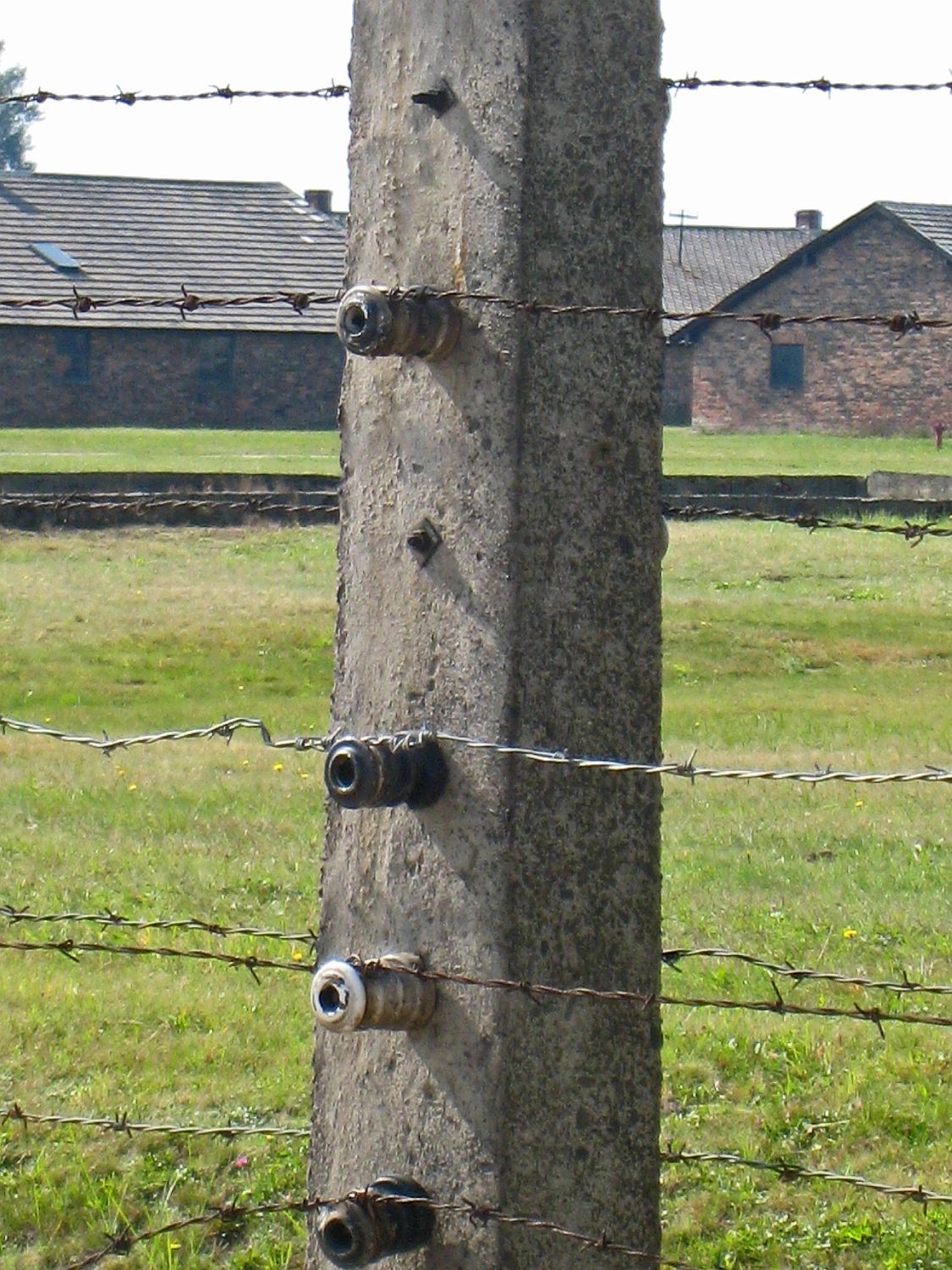
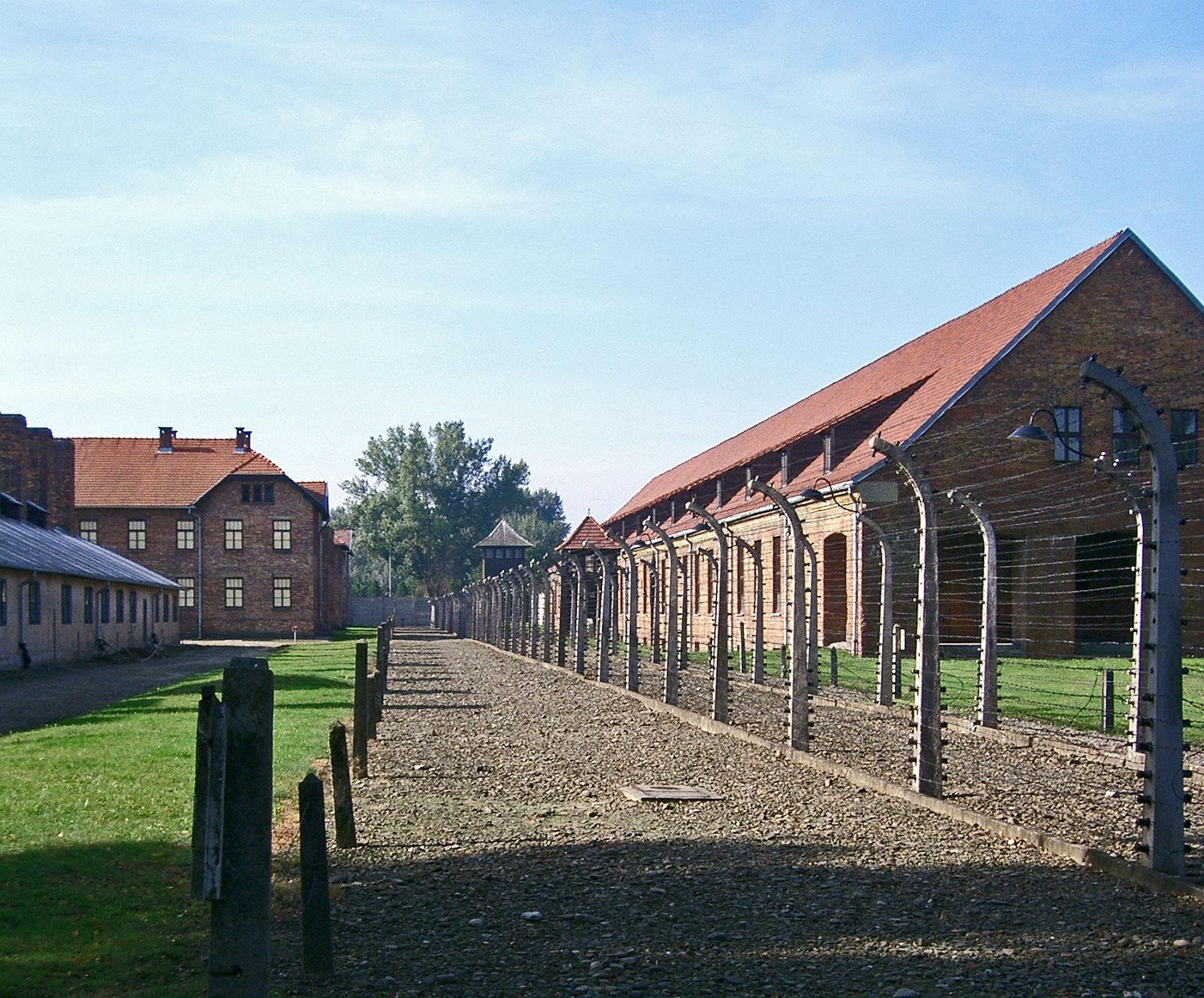
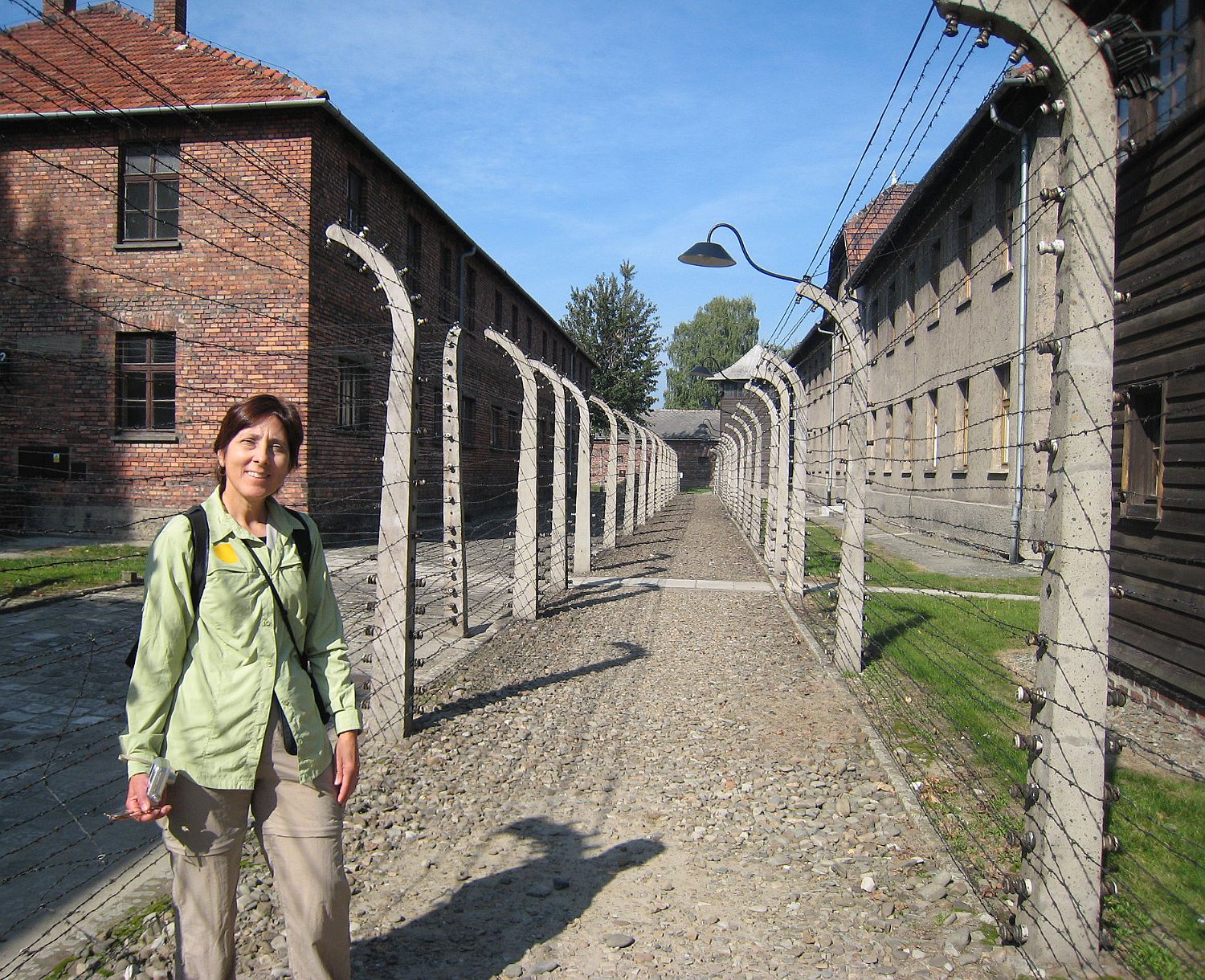 Security was tight. |
 |
 |
 |
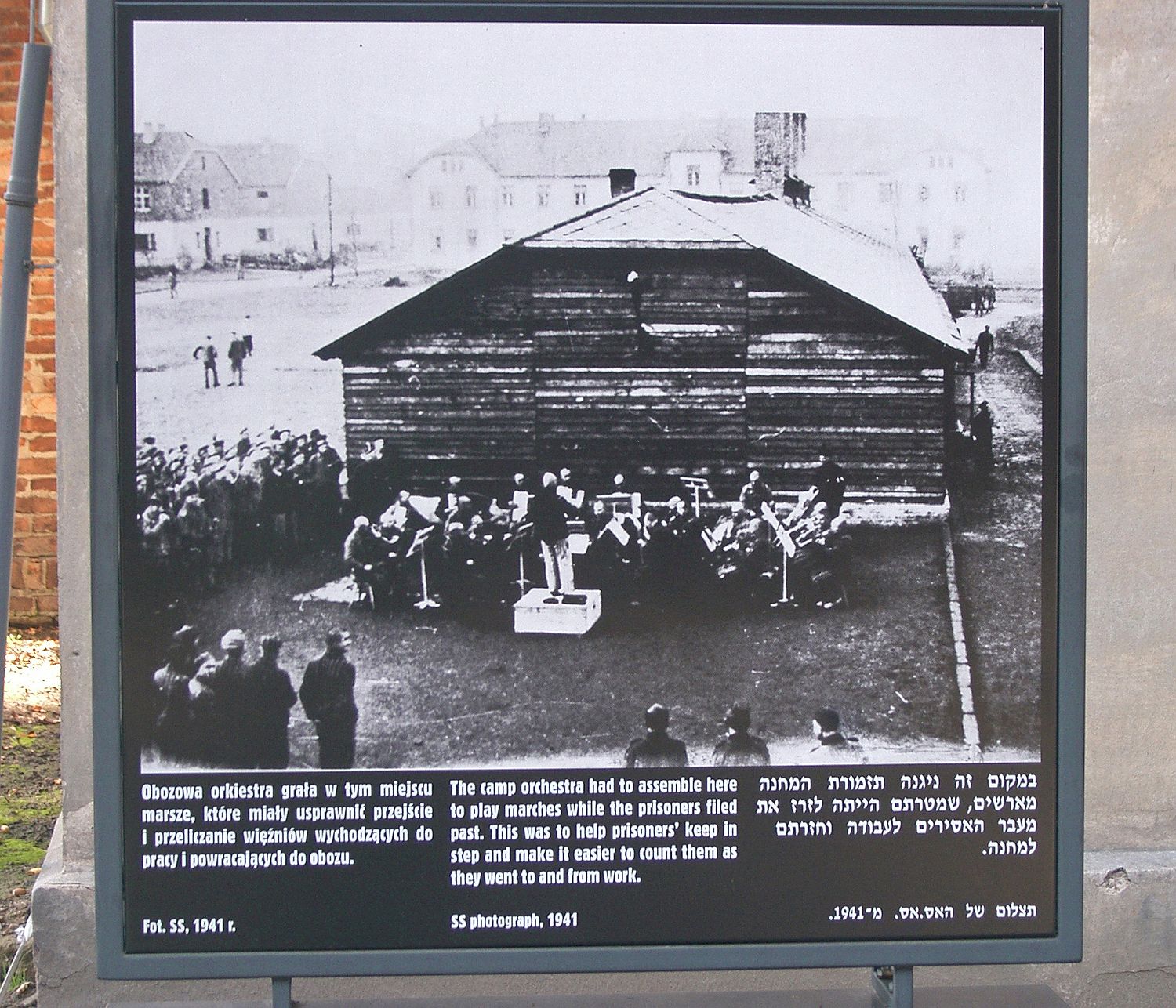 The camp's prisoners who left the camp during the day for construction or farm labor were forced to march through the gate to the sounds of an orchestra. You were considered "lucky" to be chosen for the orchestra. |
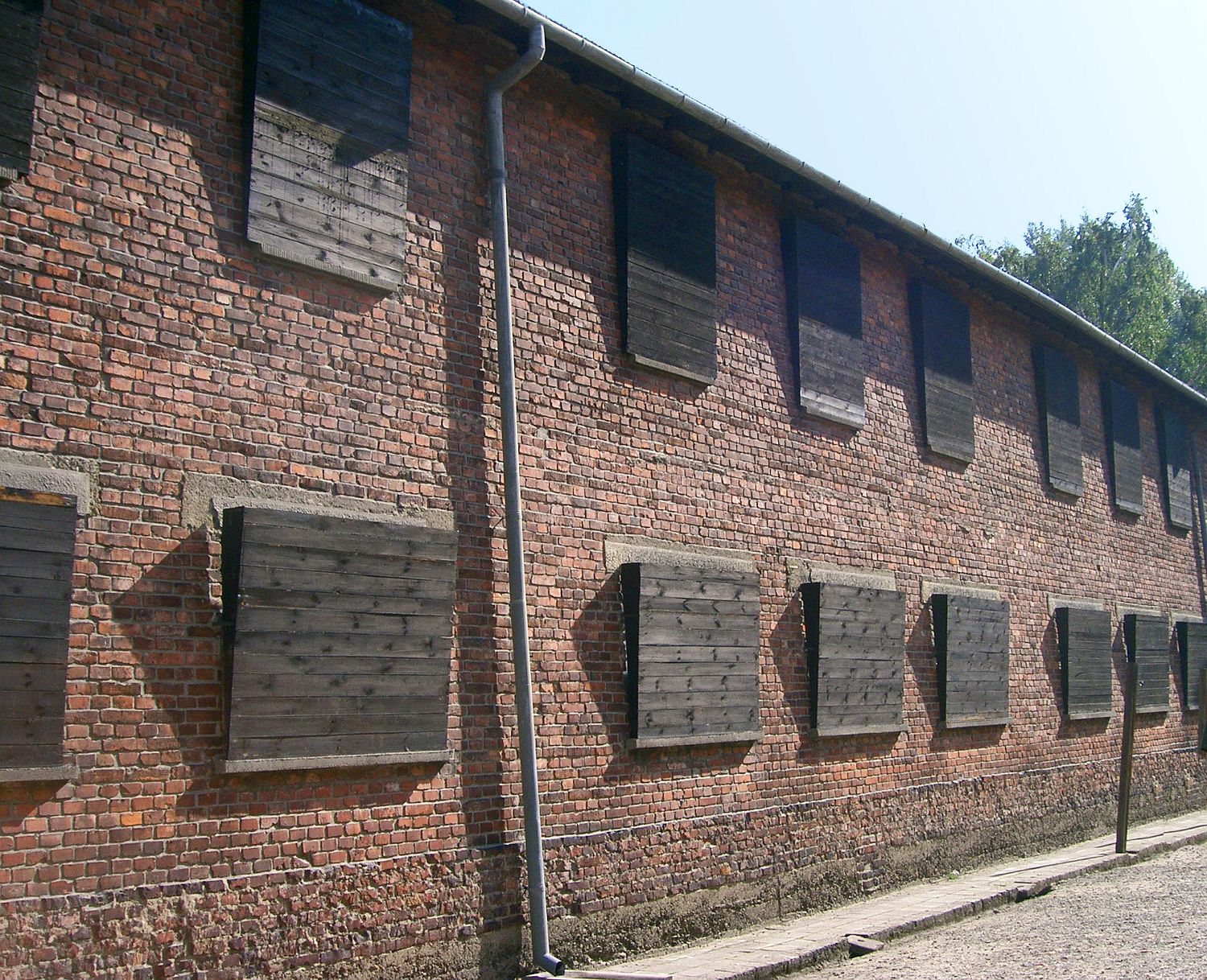 The Nazis covered the windows in an attempt to hide the nearby executions (though they could still hear!). |
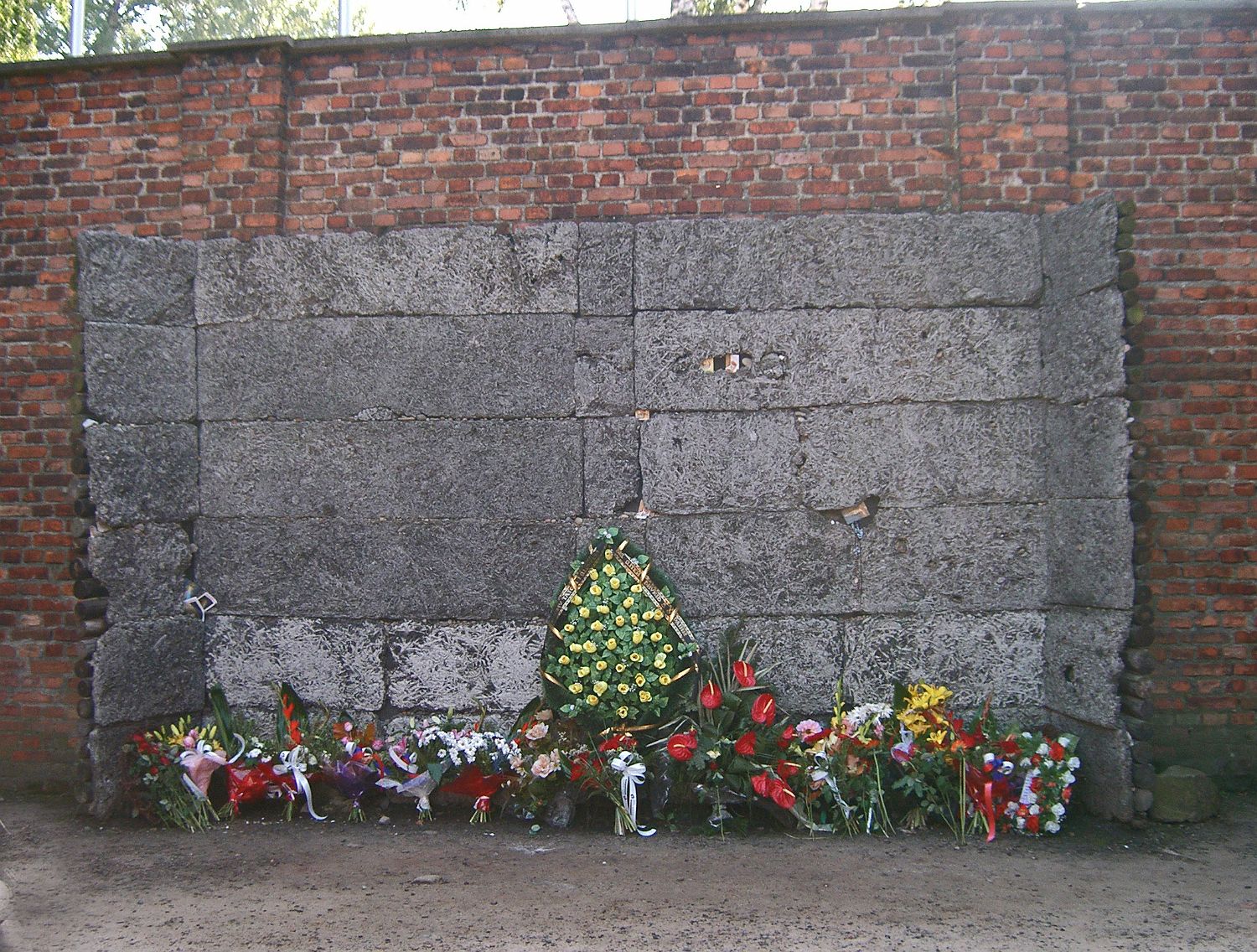 Part of the execution wall were Poles were shot. |
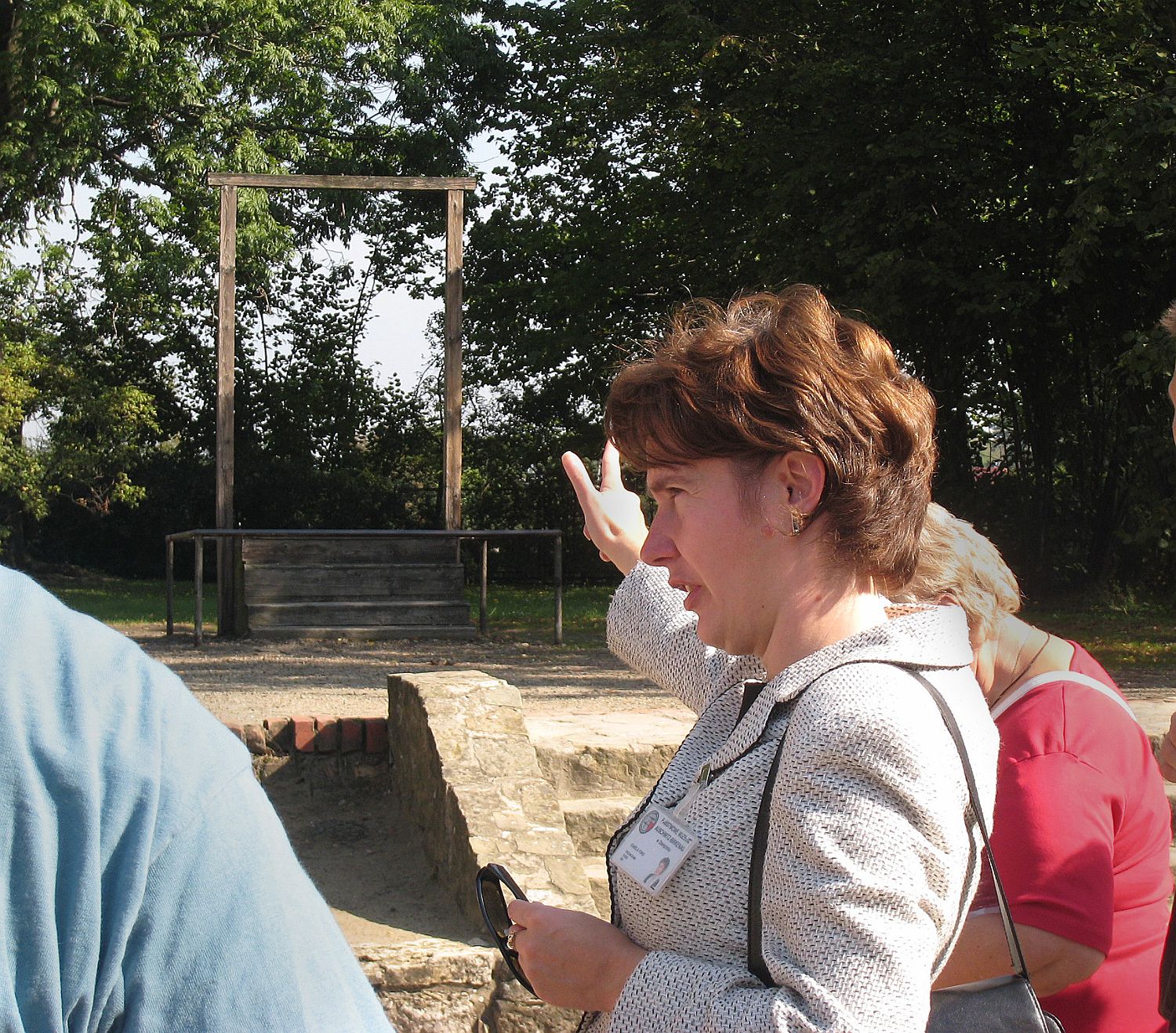 Our tour guide reminded us of Francine. She's pointing to the location where the camp commandant, Rudolf Höss, was hanged after his conviction. |
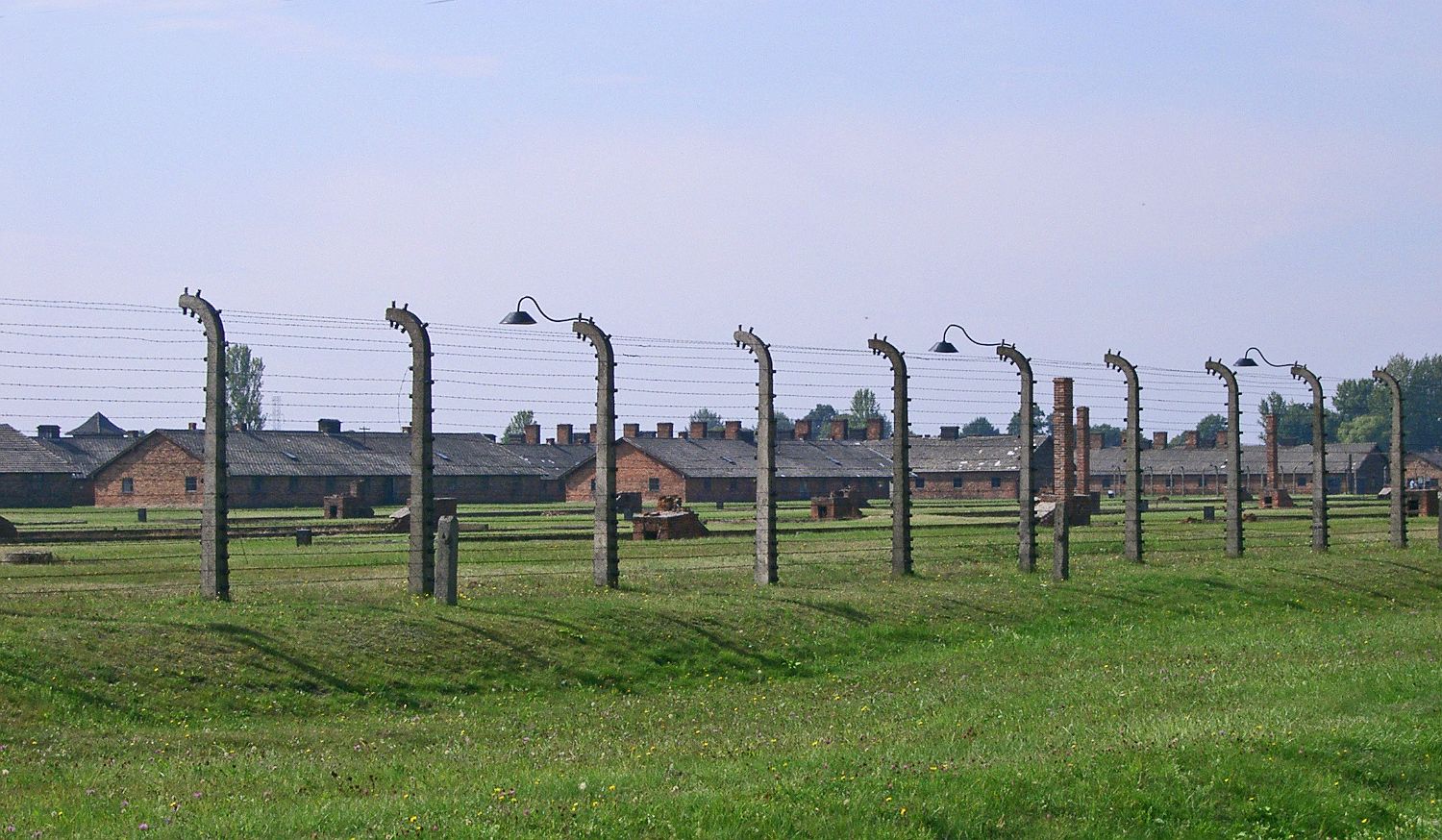 Birkenau (Auschwitz II) was much larger than Auschwitz. It's believed that 1.1 million were killed, most by gas chambers. 90% were Jews from almost every country in Europe. 75,000 Poles were also killed here. |
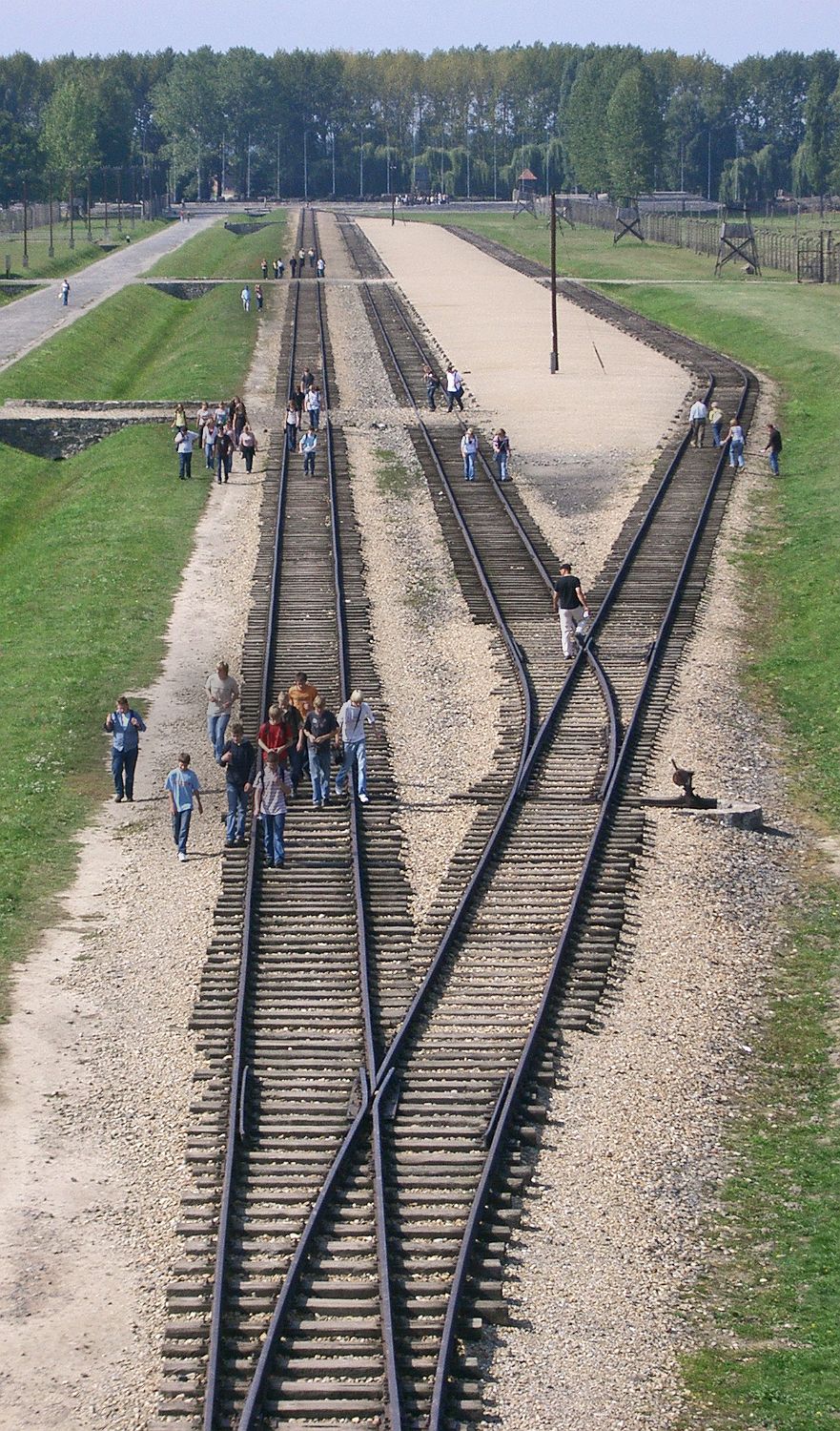 Upon departing the train in the camp, passengers would be assesed. Three fourths of them went immediately to the gas chambers. A few worked in industrial factories as slave labor. Twins were used for experiments by Dr. Josef Mengele. |
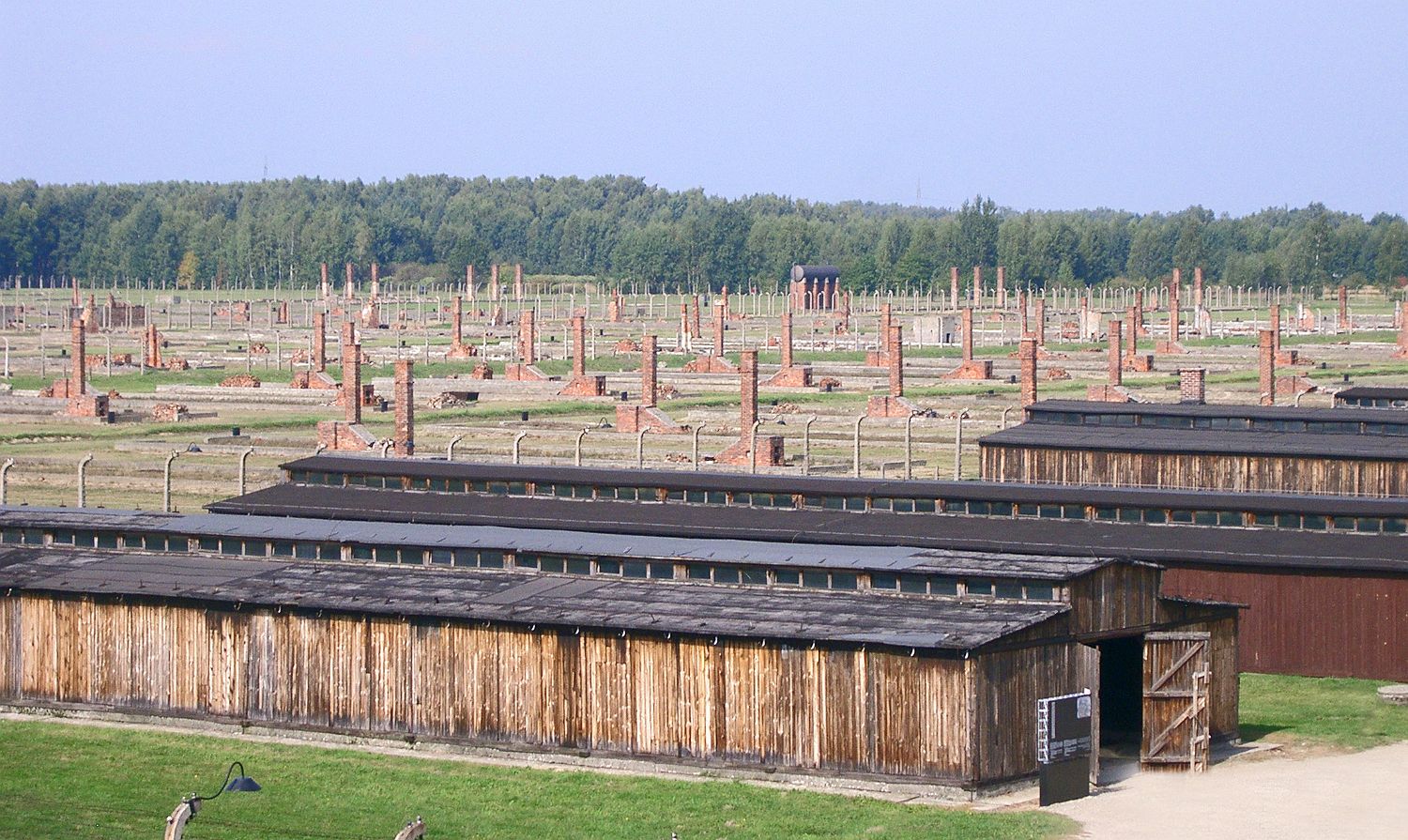 Some women worked in "Canada," the location where prisoners' belongings were sorted for use by Germans. The expression "Canada" comes from the time when Polish emigrants were sending gifts home from Canada. |
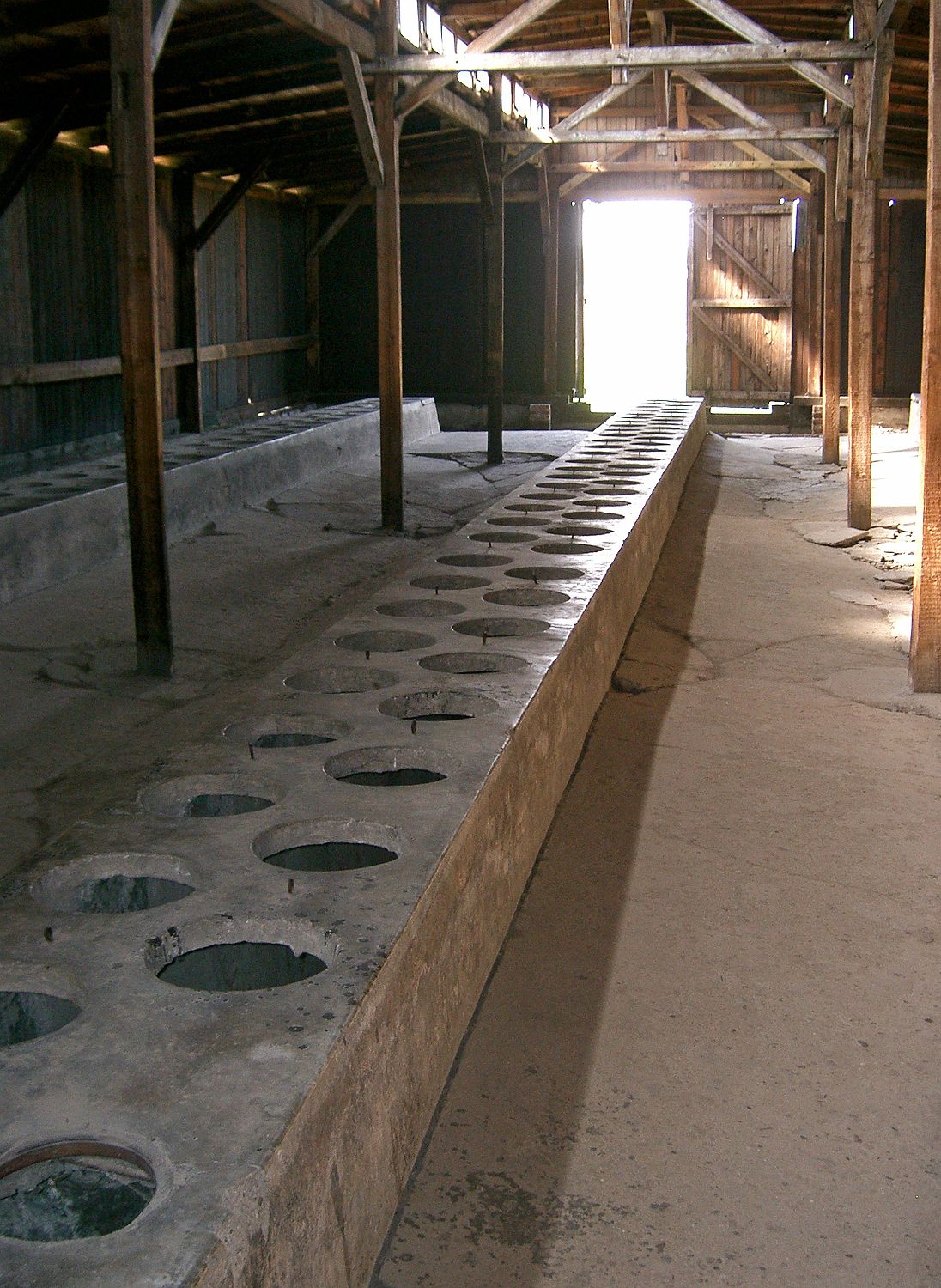 Typical stable turned into a mass latrine. Lines of prisoners were given five minutes here. |
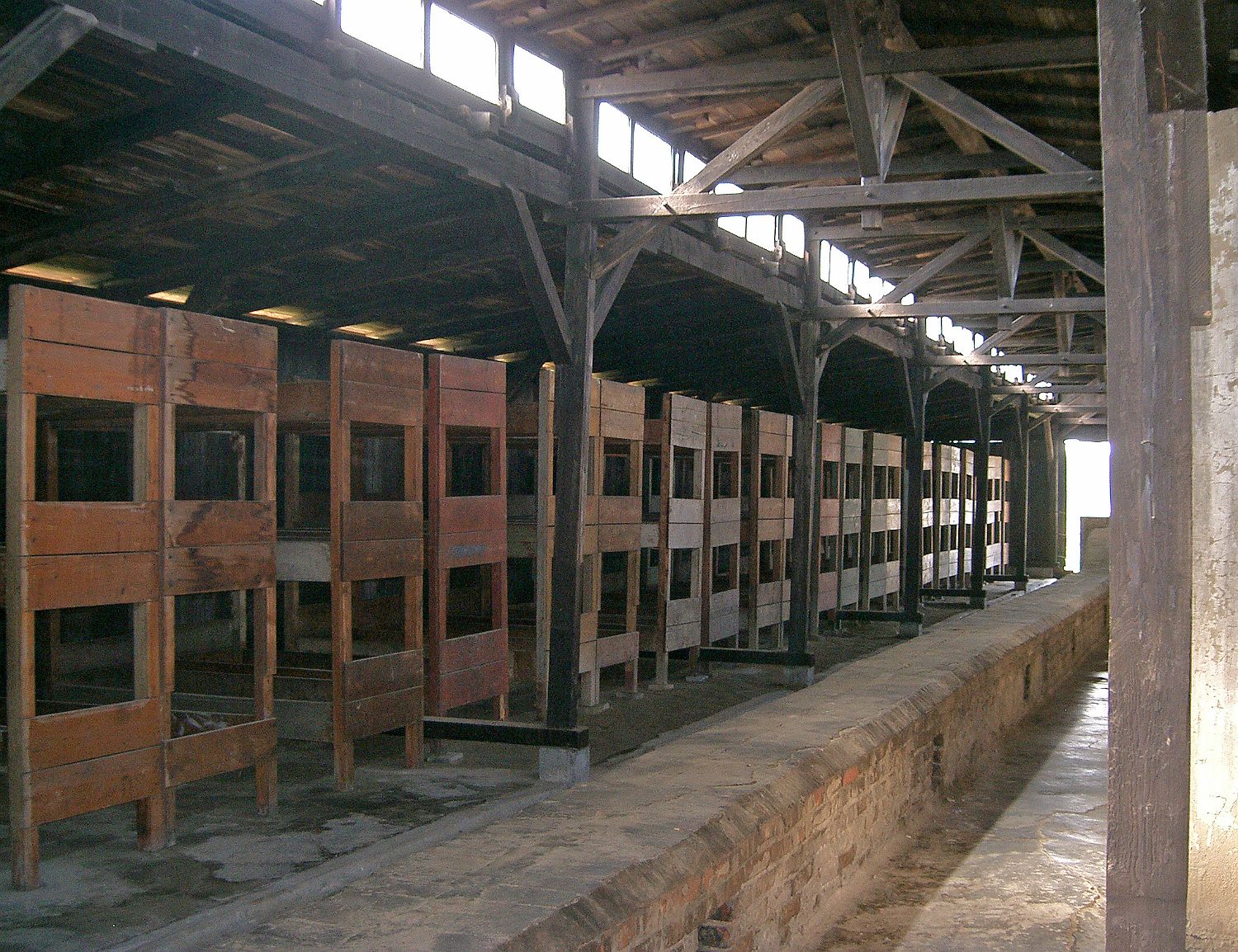 Up to three people shared each bunk. |
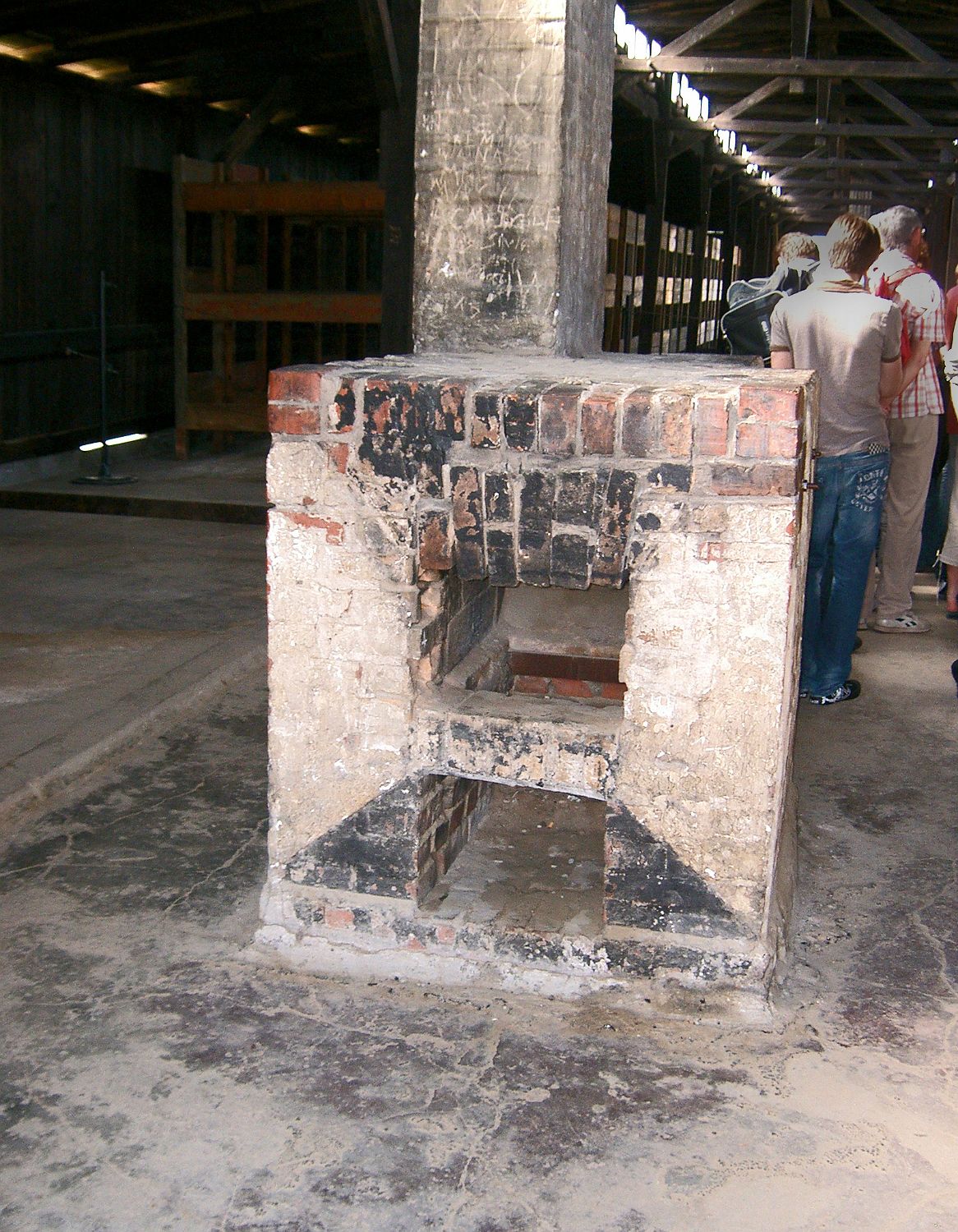 The Nazis never provided any means of fuel for these stoves. |
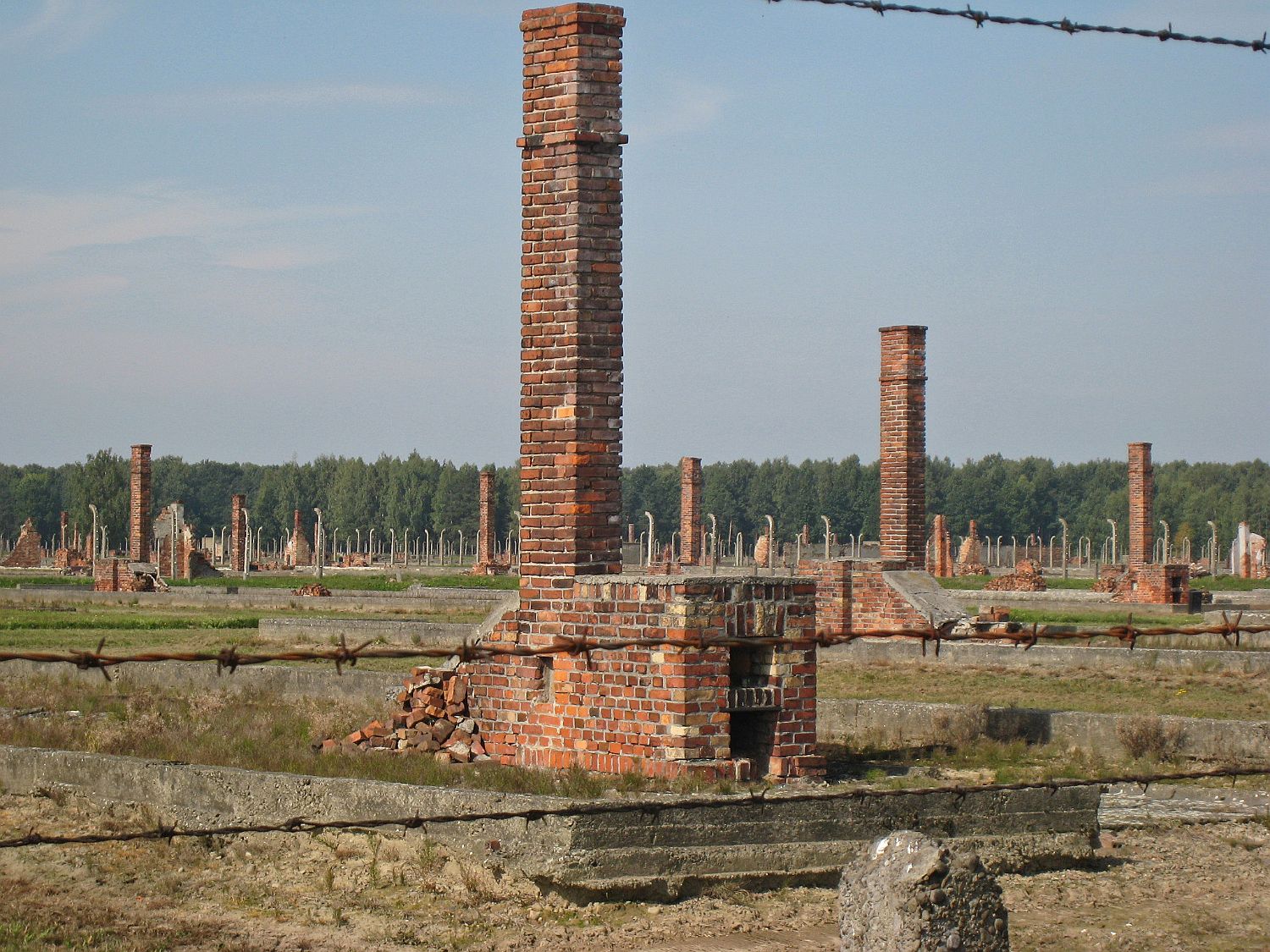 Realizing they were losing the war, the Nazis shipped the buildings' wood to Germany. Only the foundations remain. |
 Located about one hour drive southeast of Krakow, these mines were active from the 13th century until 1996 producing table salt. They have been recognized by UNESCO (UN agency) as a World Heritage Site. |
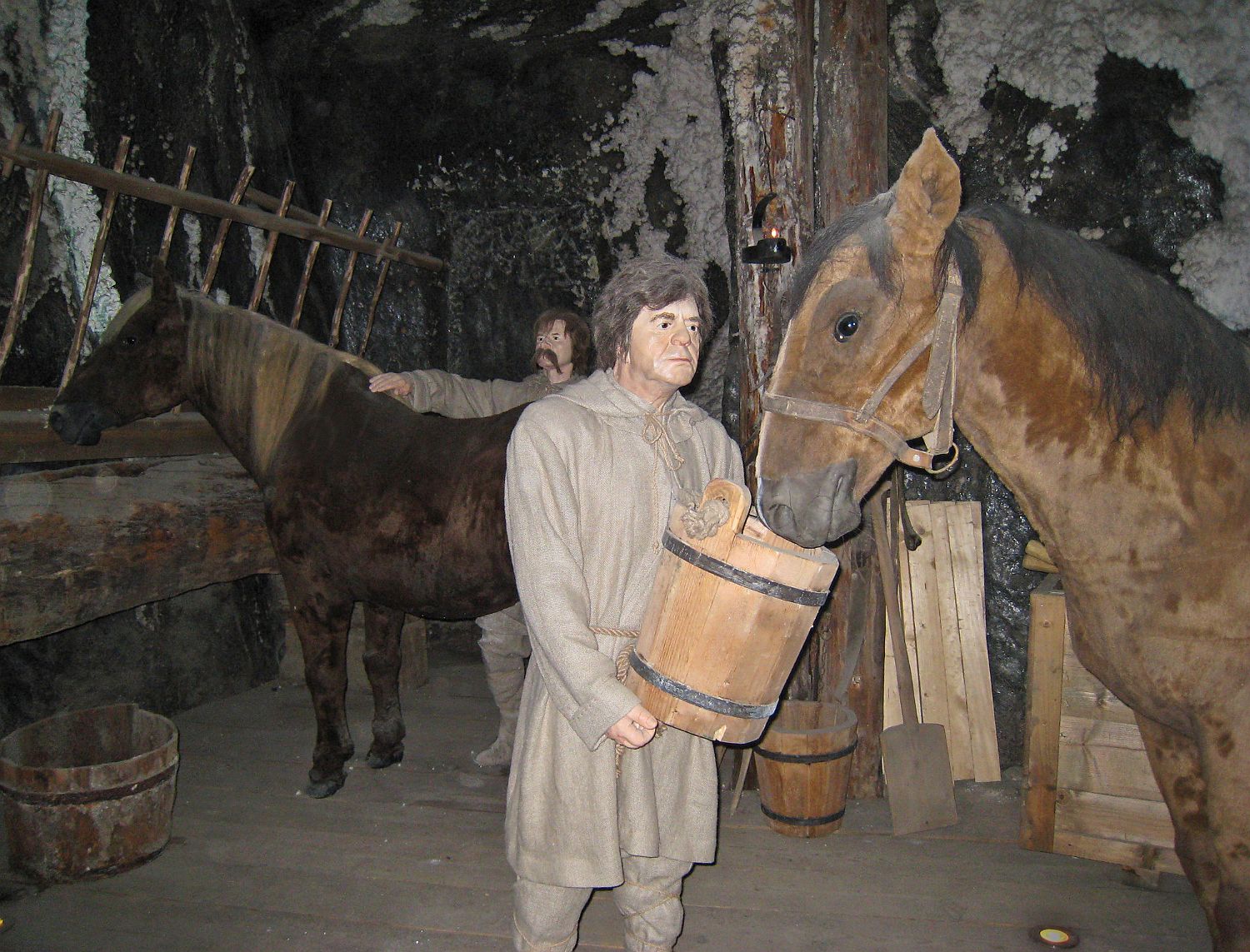 Portrayal of miners' day. Because of the immense size of the mine (327 meters deep and 300 km. long) horses transported down stayed in the mine. The air quality is excellent, even medicinal because of the salt content. |
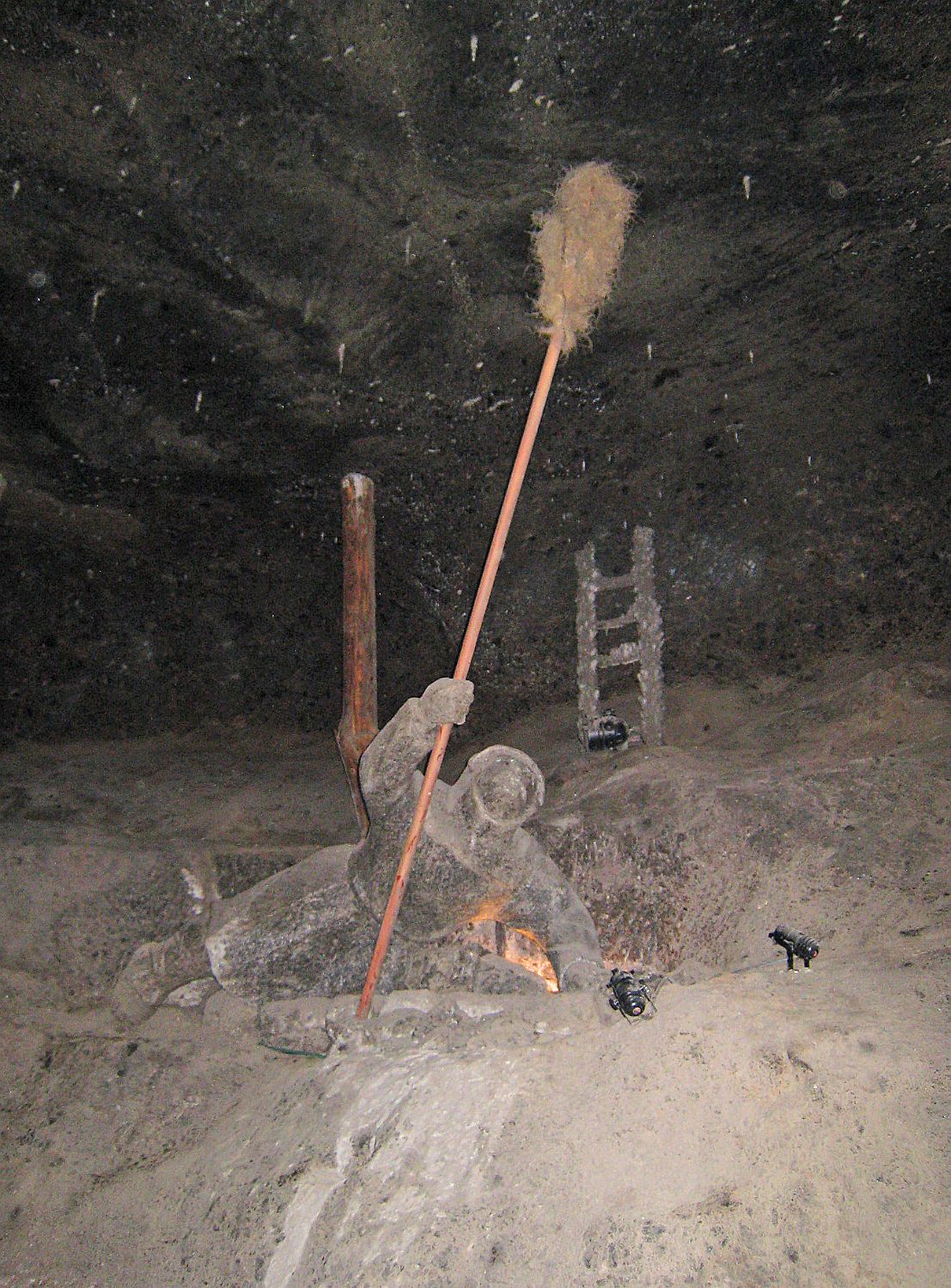 Workers routinely burned off methane gases that accumulated near the ceiling to prevent explosions. |
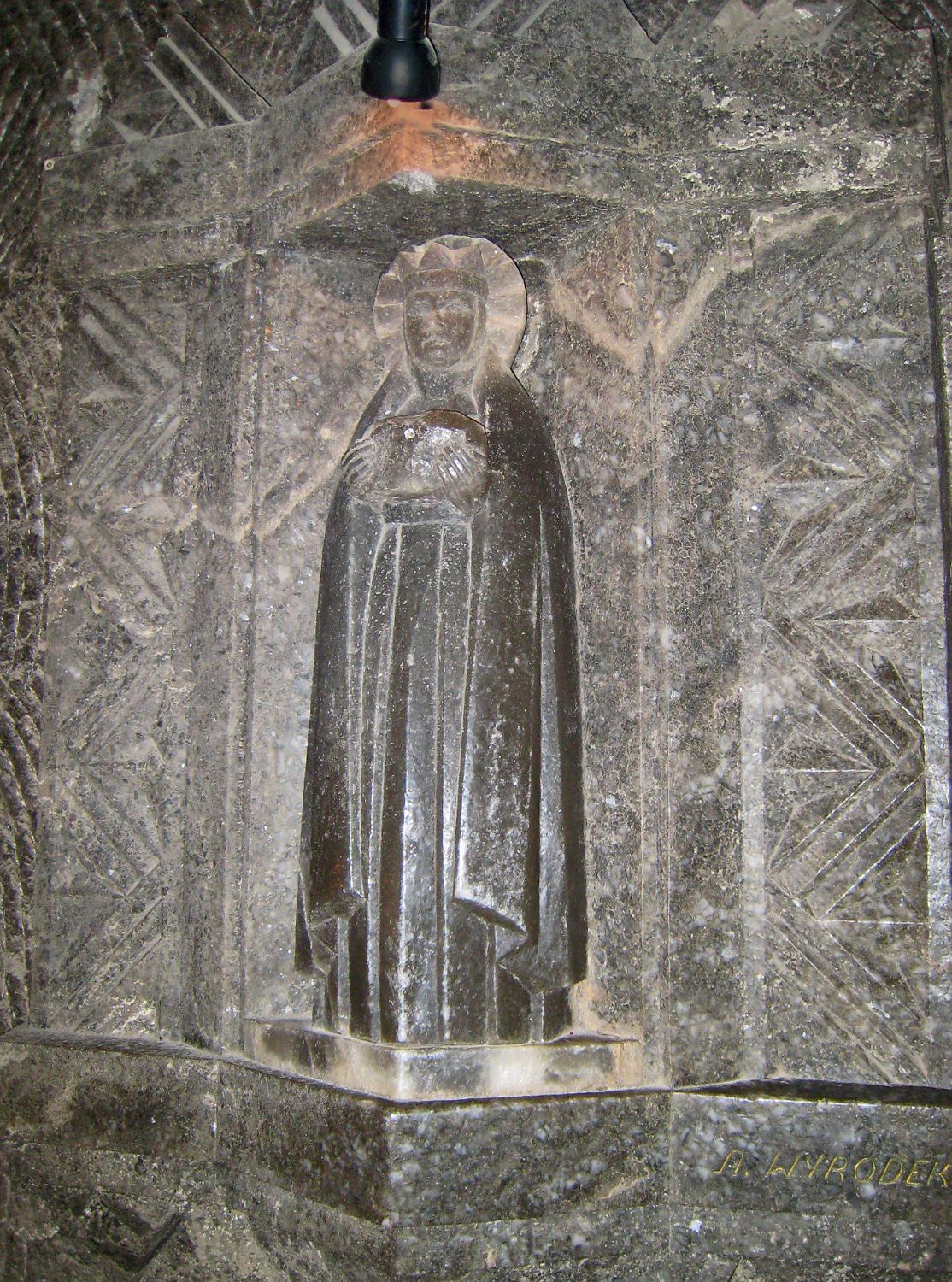
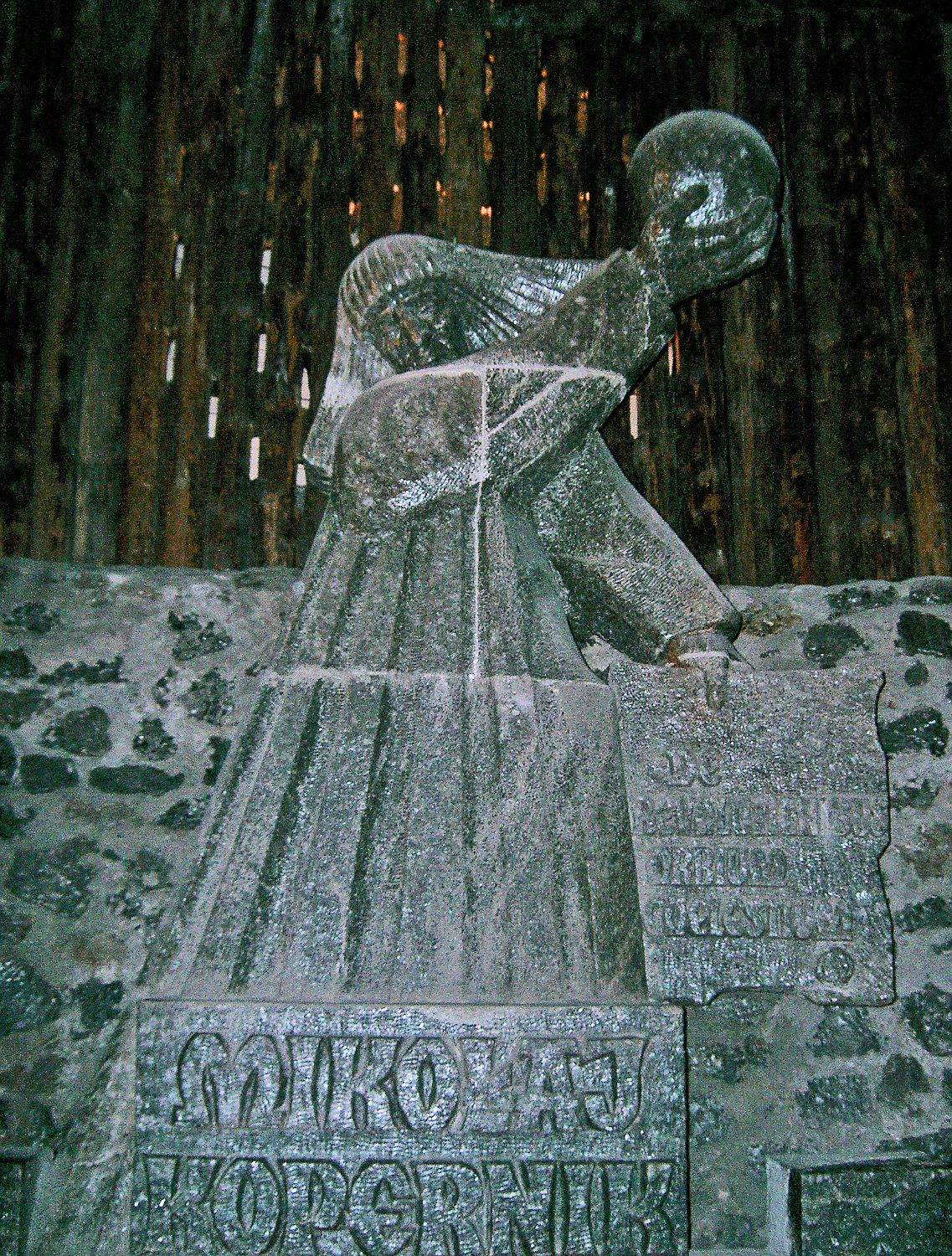 Miners carved life size statues, altars, even chandaliers from rock salt. |
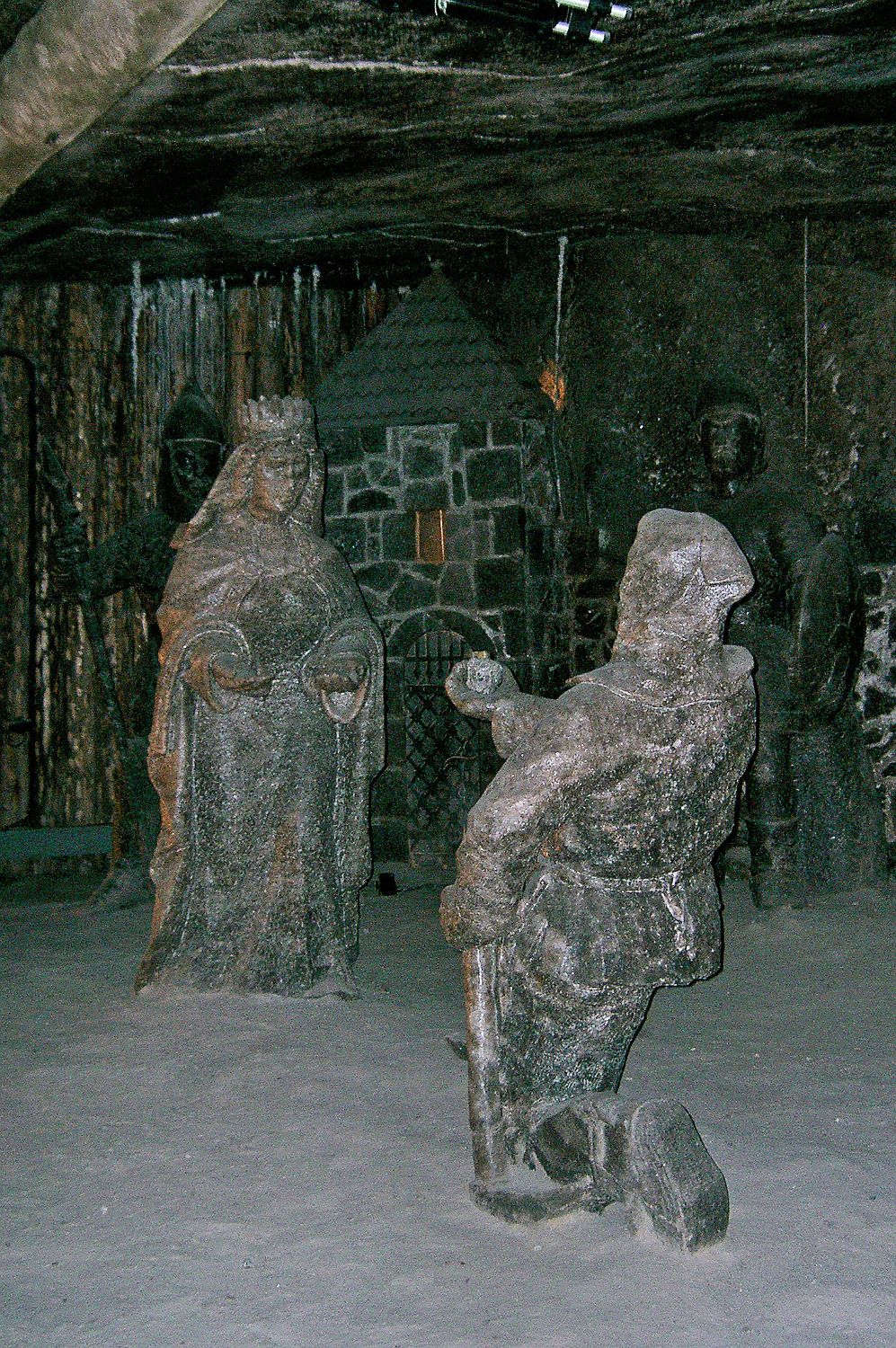 A king proposes to his queen. Something about a ring thrown into a well. |
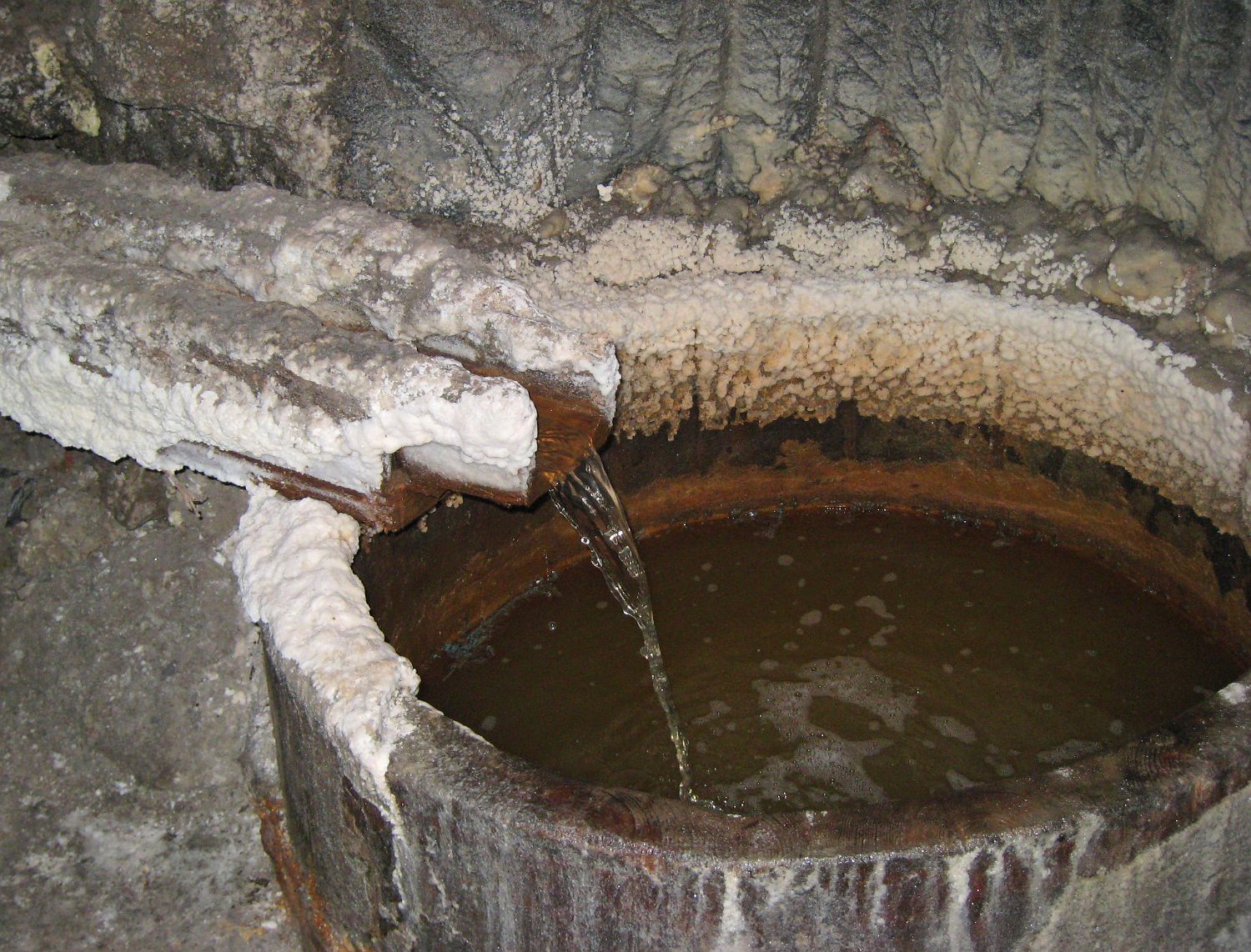 Water constantly had to be removed from the mine. We were able to taste this water -- very salty! |
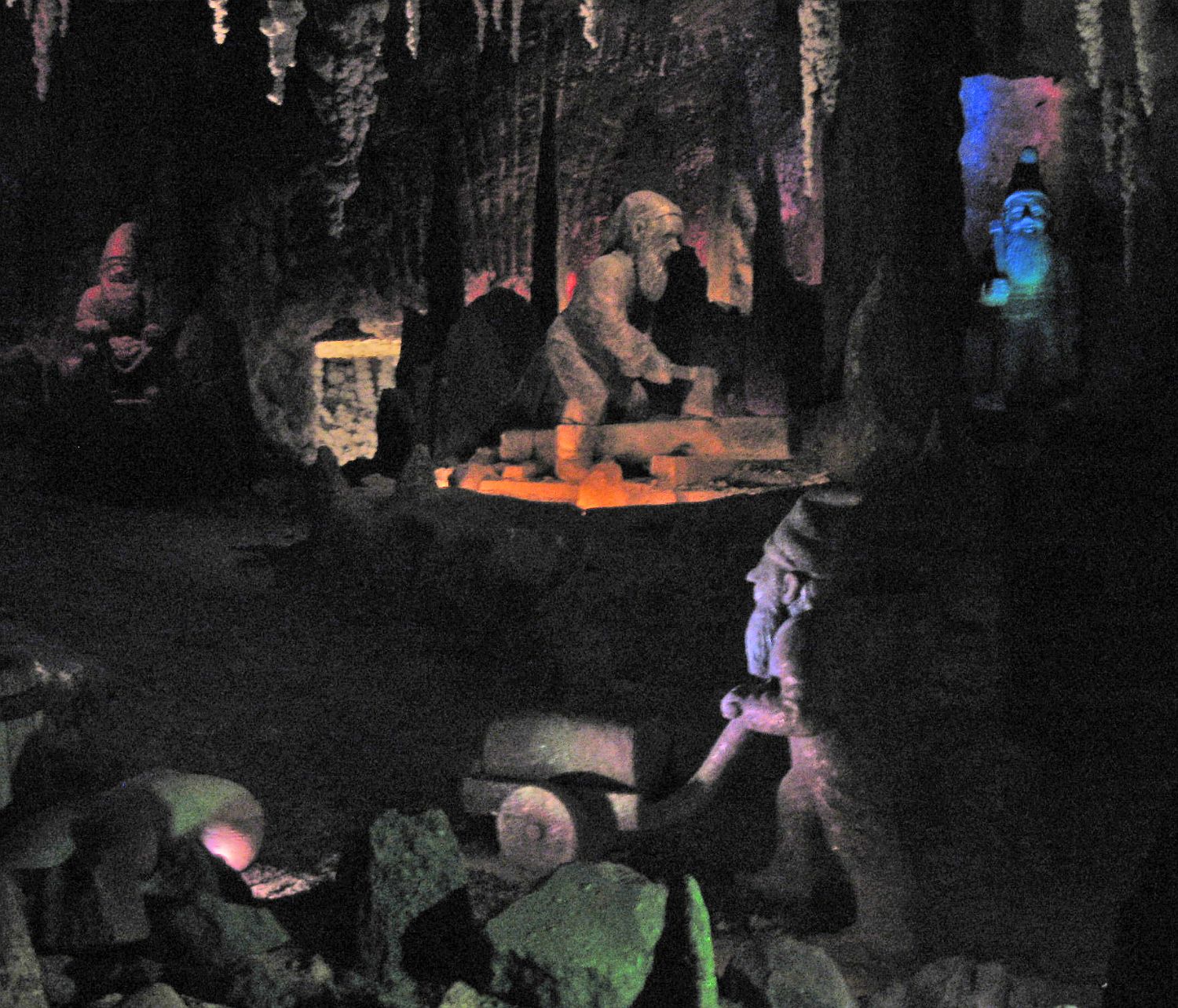 The seven dwarfs worked these mines. |
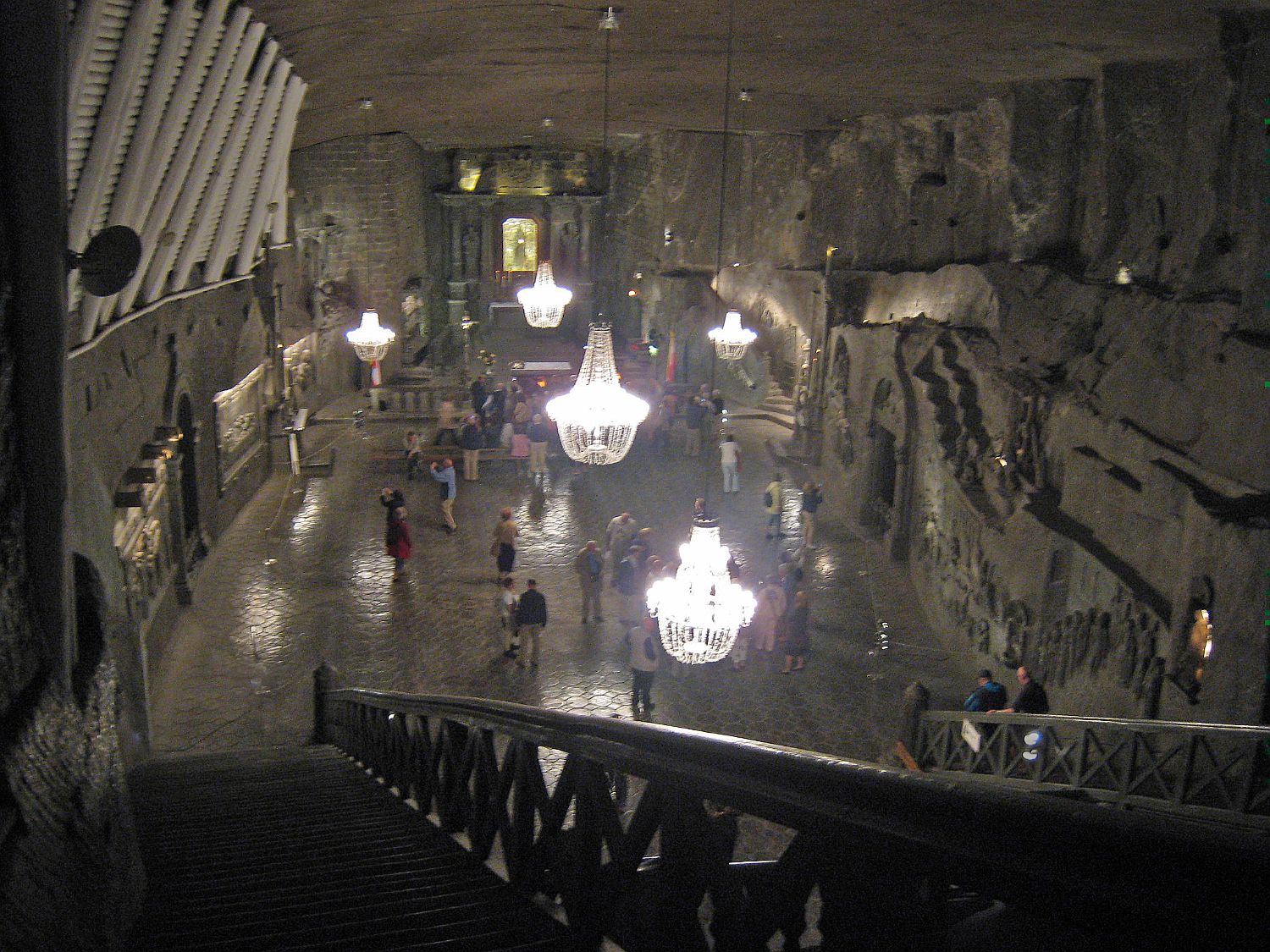 The Chapel of St. Kinga took three miners 68 years to complete. |
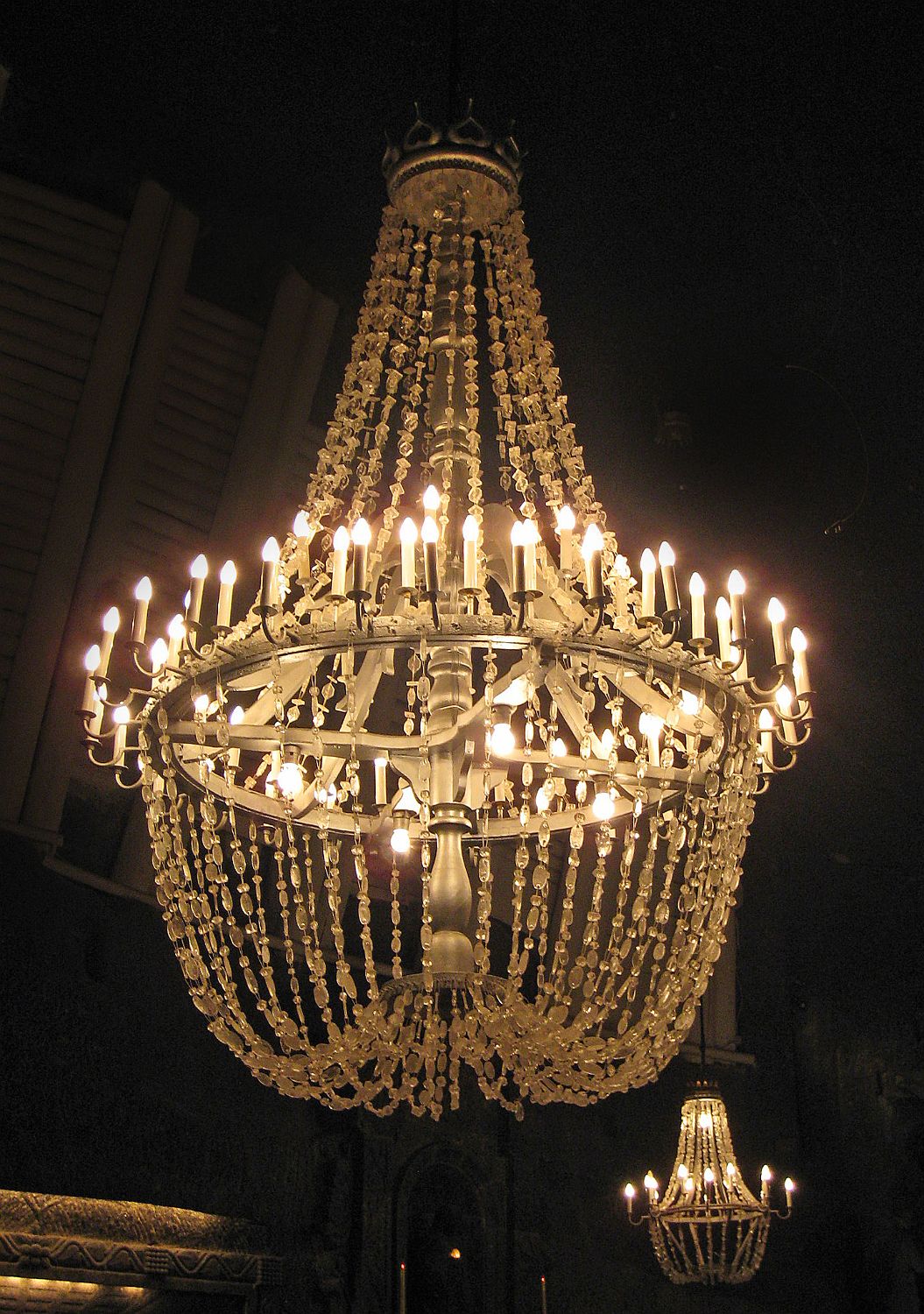 Chandalier carved entirely from salt. |
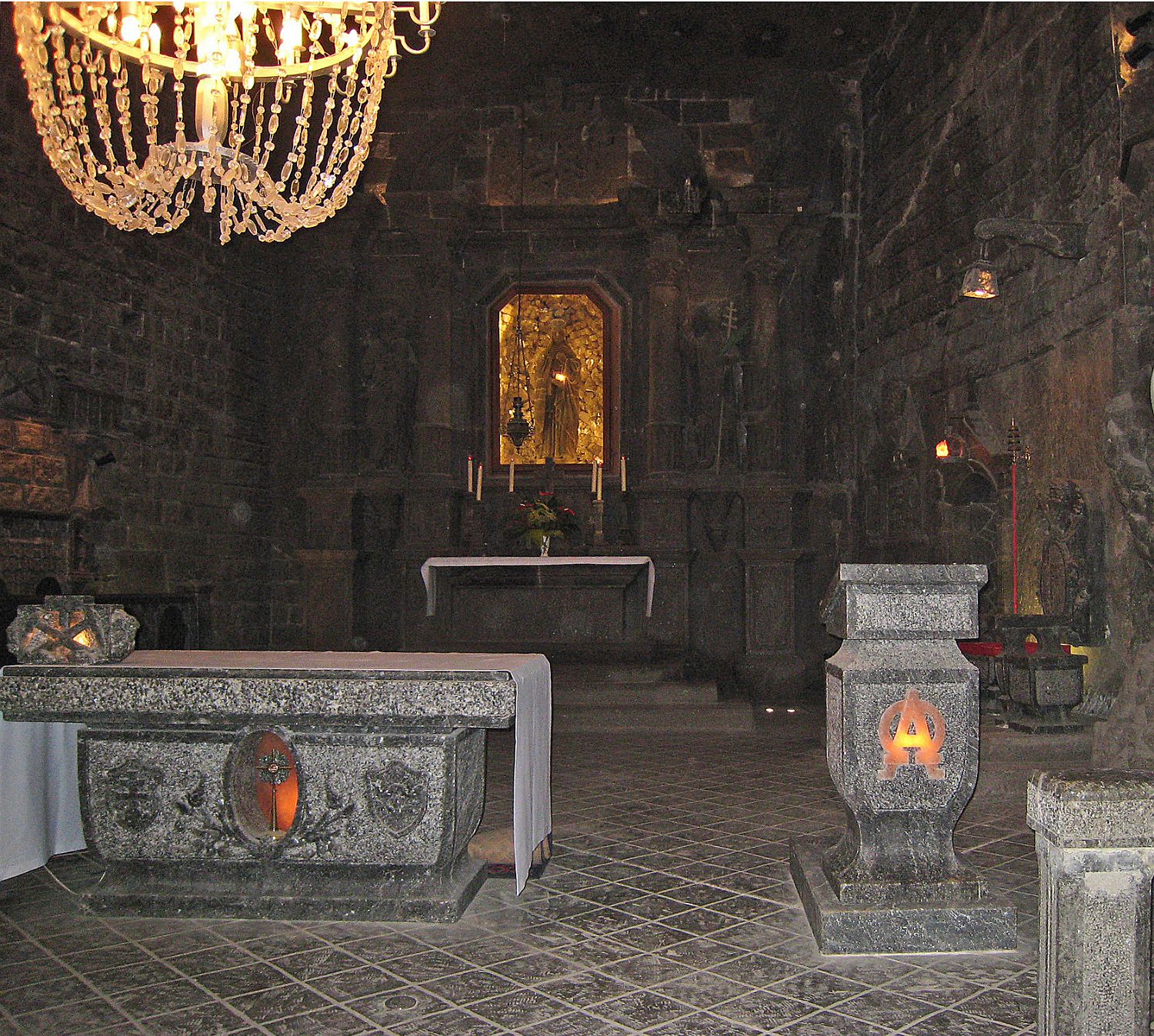 Salt chapel. |
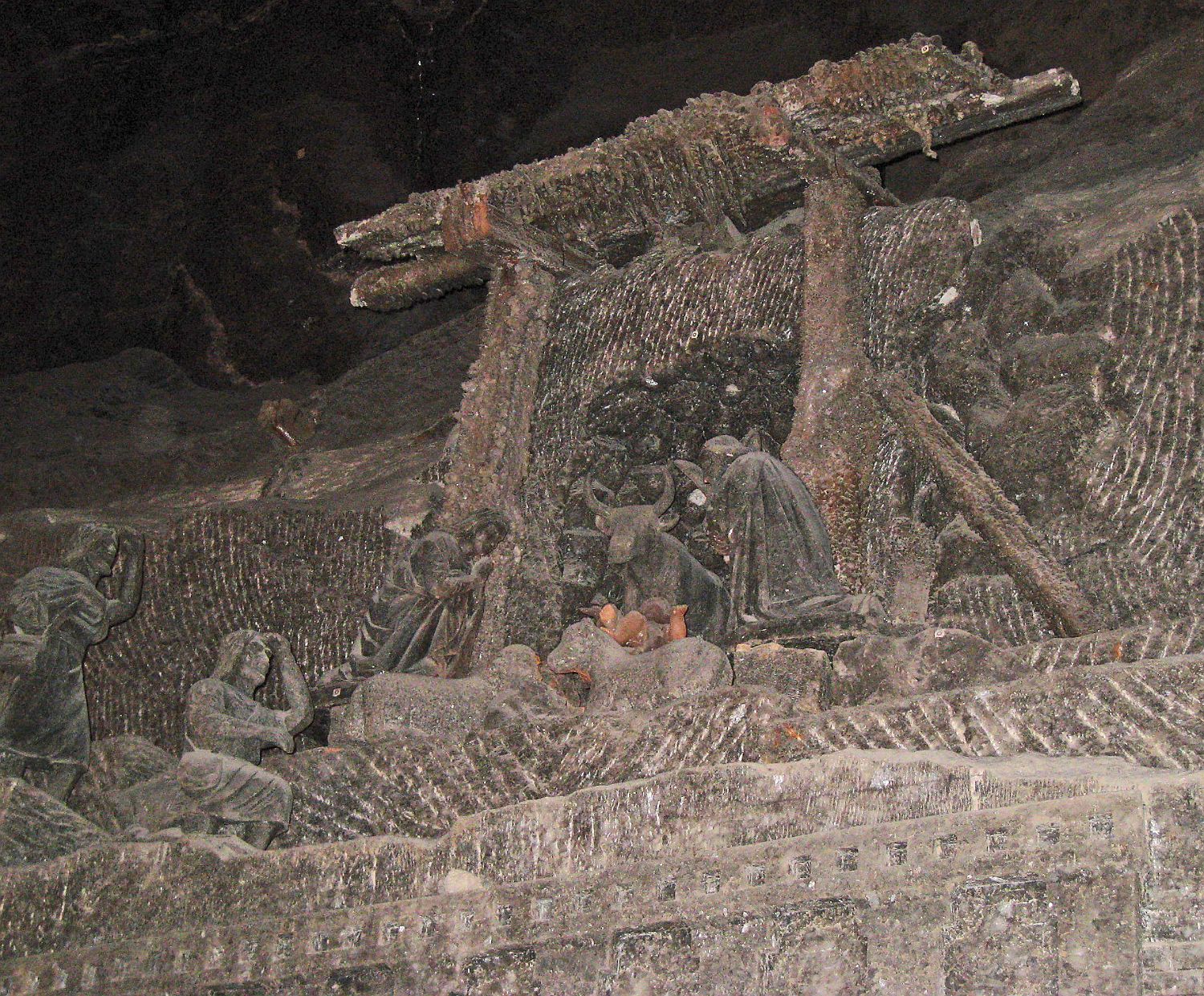 Nativity relief. |
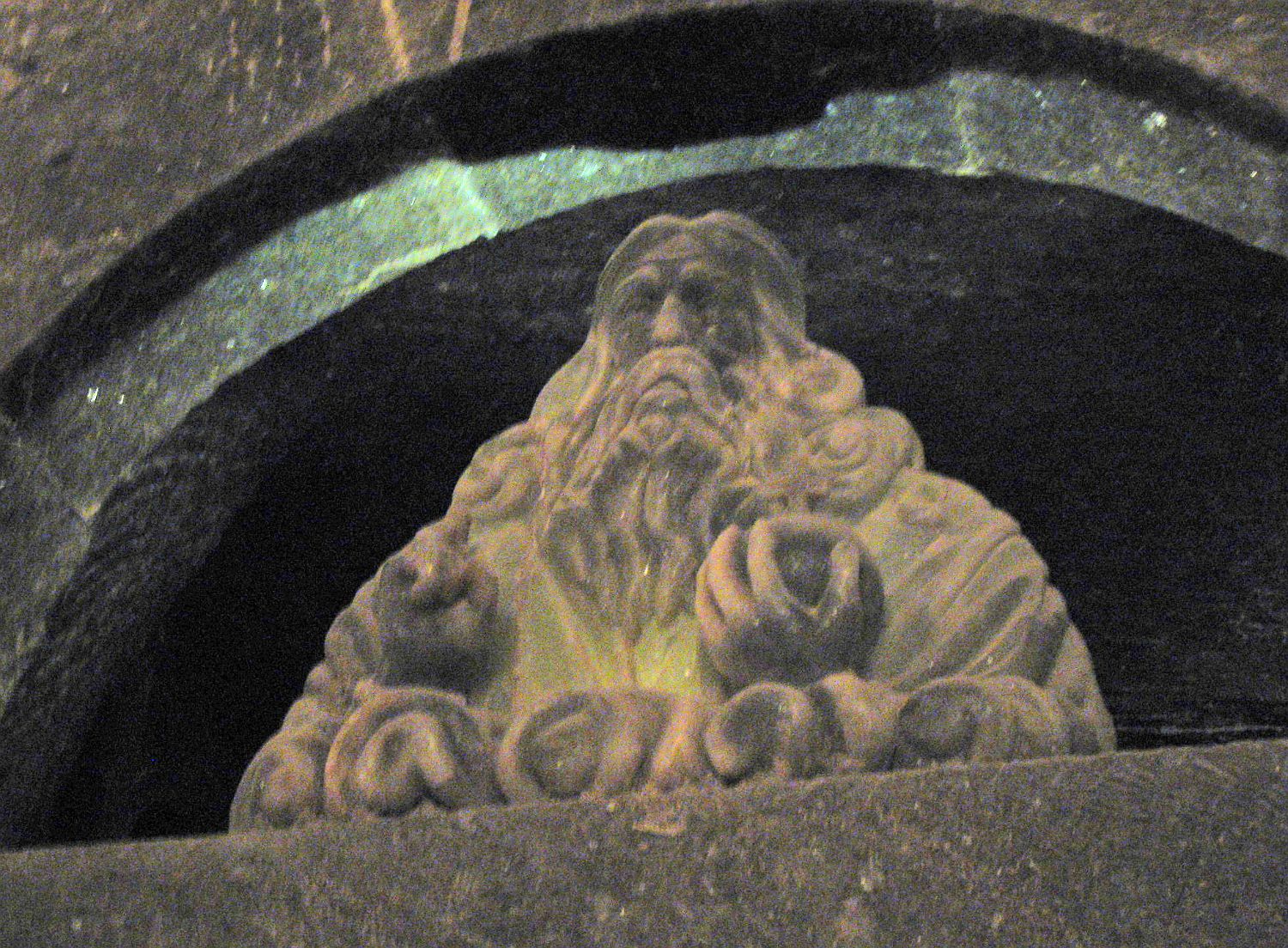 Neptune. |
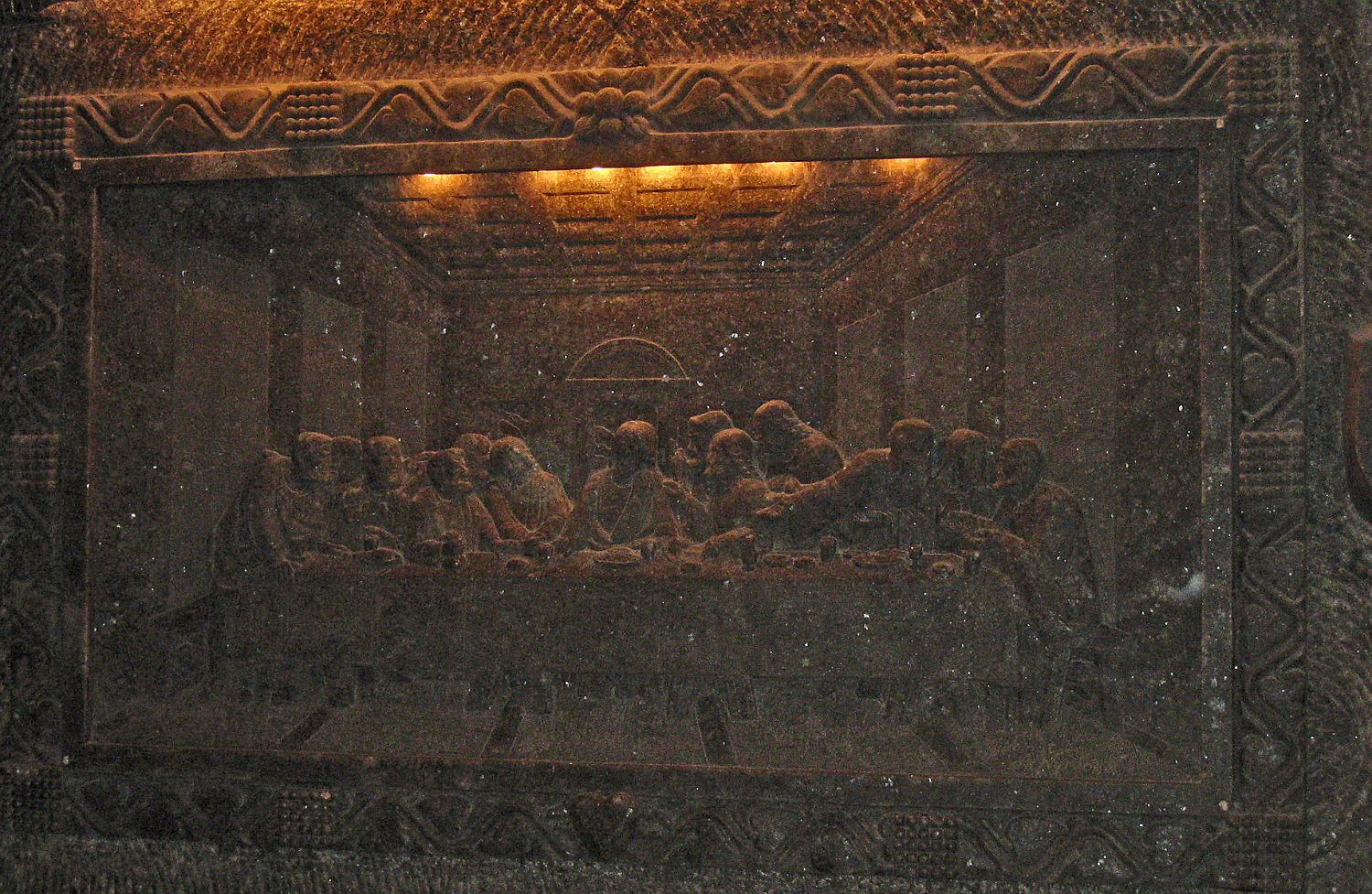 Da Vinci's Last Supper. |
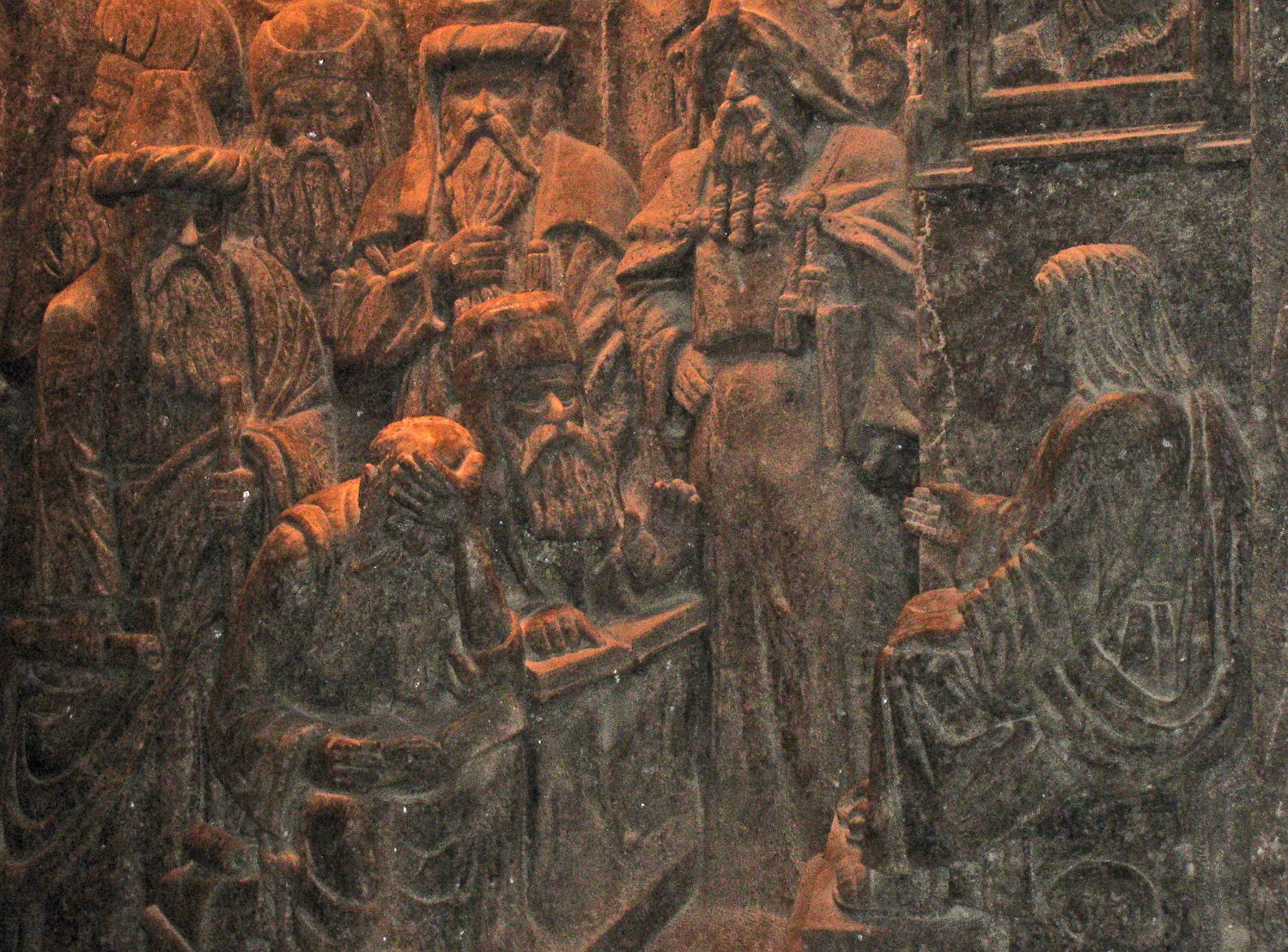 |
 |
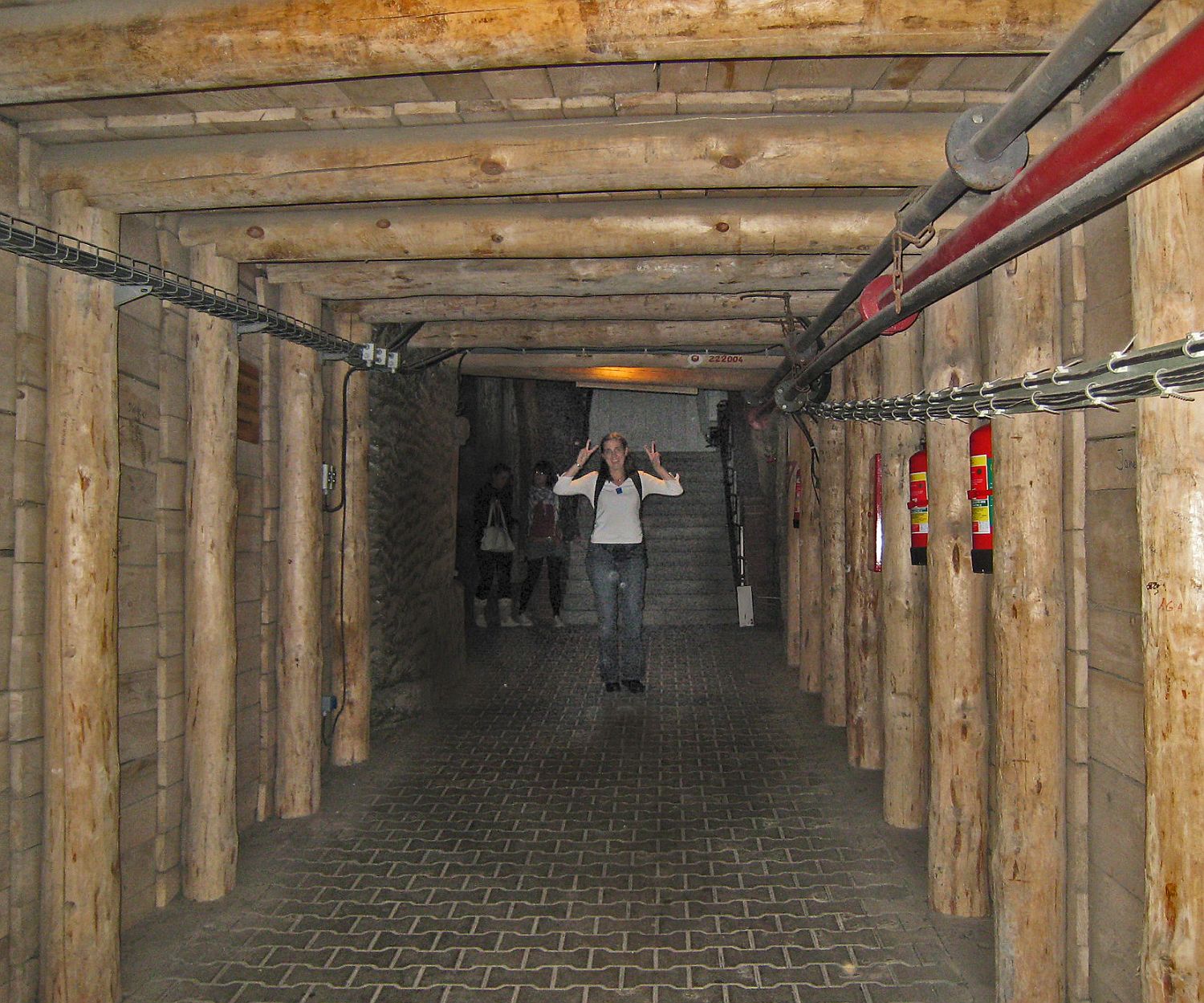 Samantha signals at the end of a long shaft. |
 The Black Madonna of Częstochowa was, according to legend, painted by St. Luke the Evangelist on a cypress table top from the house of the Holy Family. Częstochowa is regarded by many Roman Catholics as the holiest city in Poland, with a pilgrimage made there every year. |
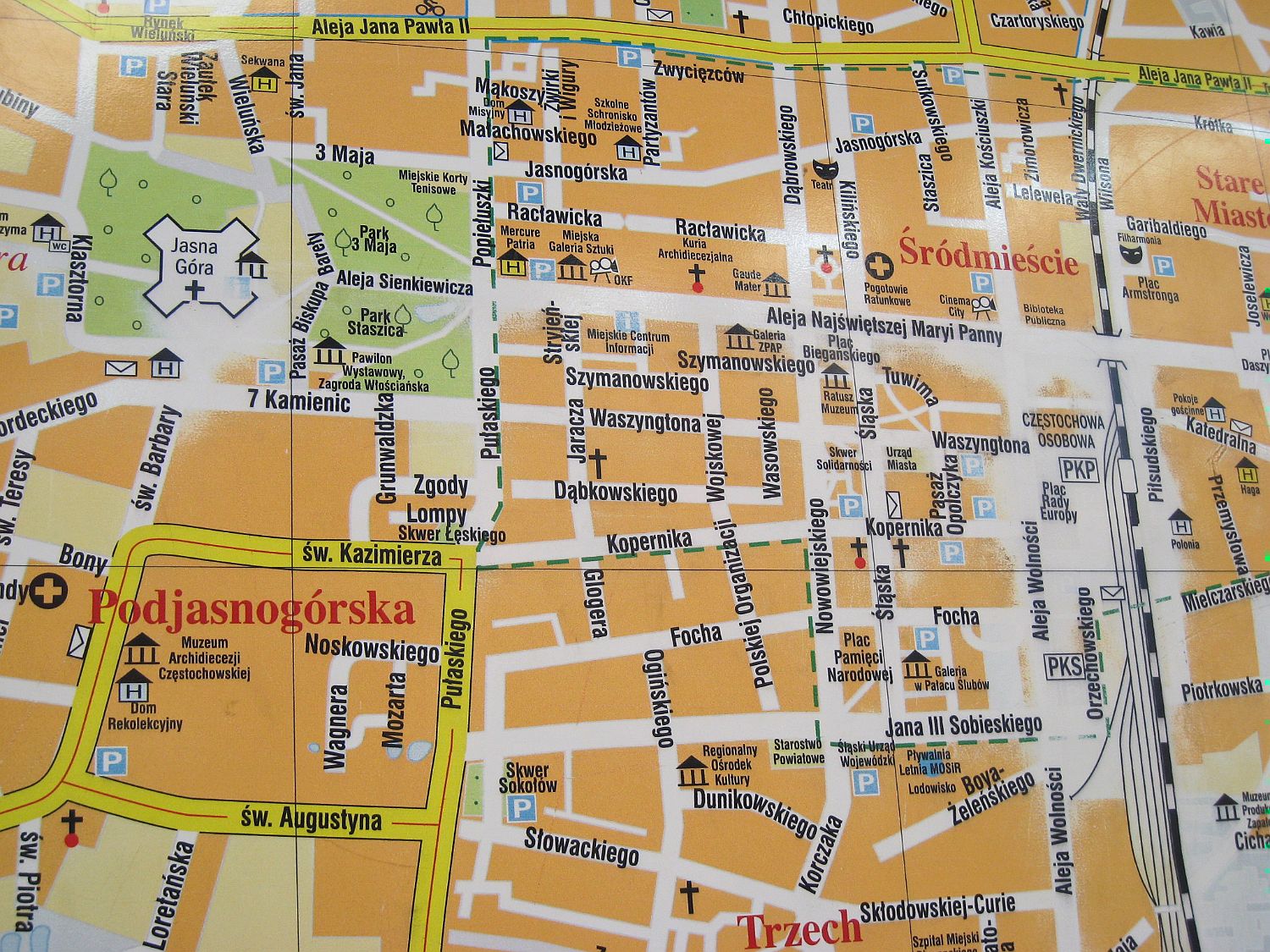 Located two hours by train from Krakow, the Jasna Góra monastery (site of Black Madonna) is an easy walk. (Note the wear from the many fingers that trace the route from the train station to the monastery.) |
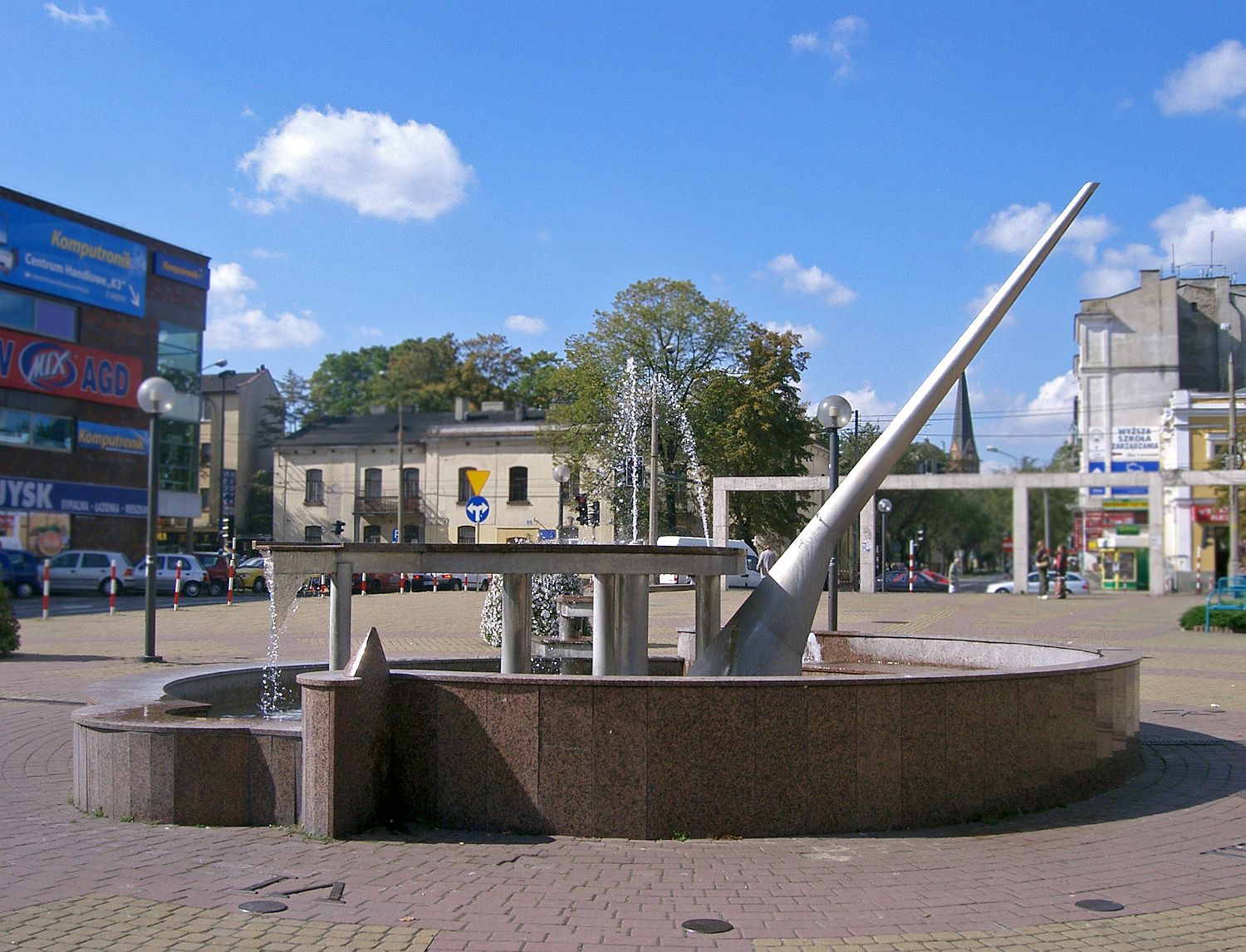 Sundial near train station. |
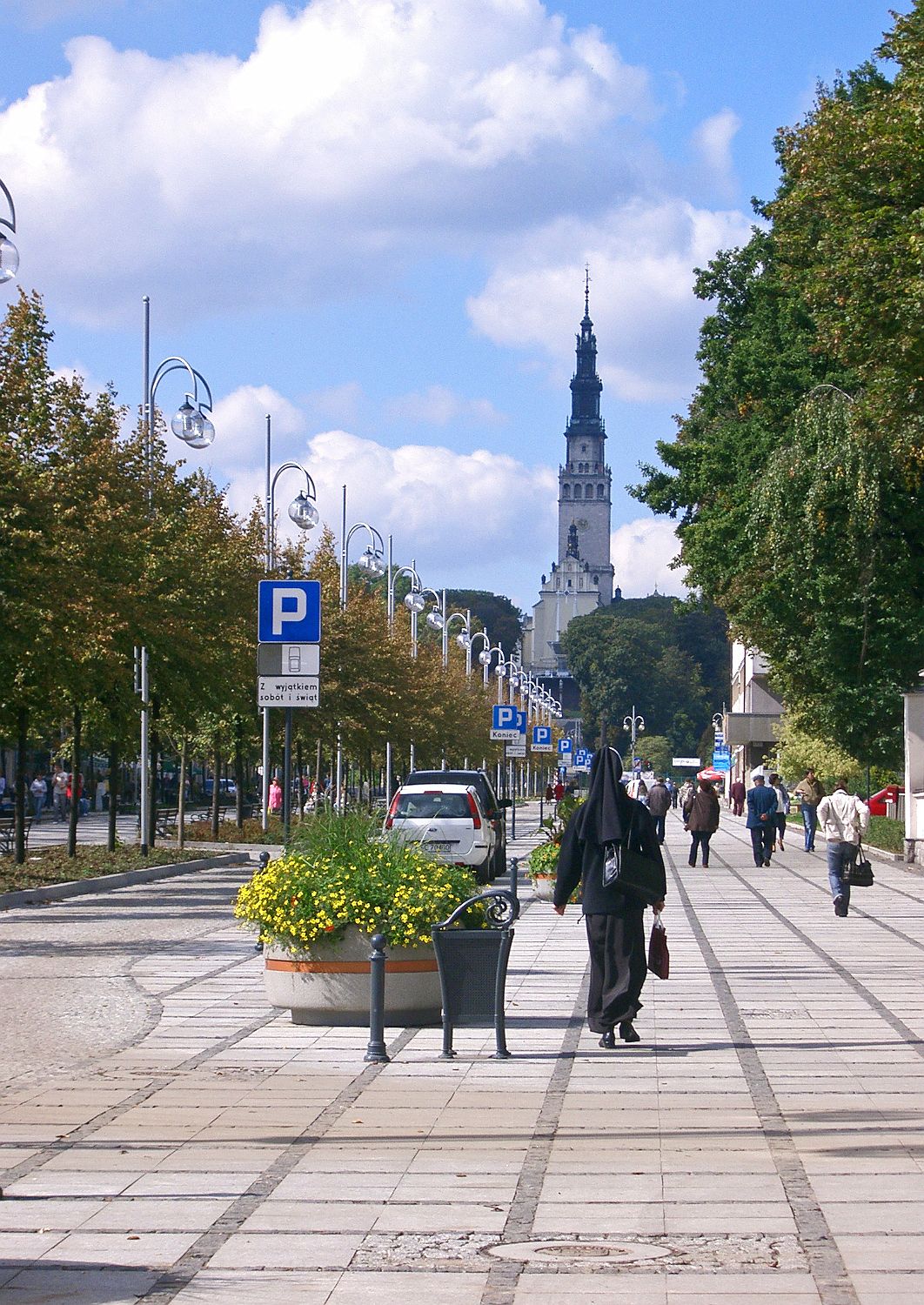 Aleja Najświętszej Panny Marii, the Holiest Virgin Mary Avenue, is the main route to the Black Madonna. Imagine this avenue full of people making their pilgrimage. Often, people will line up on the side of the street to hand luxuries to the pilgrims as those who walk the distance to Częstochowa are often the poor. |
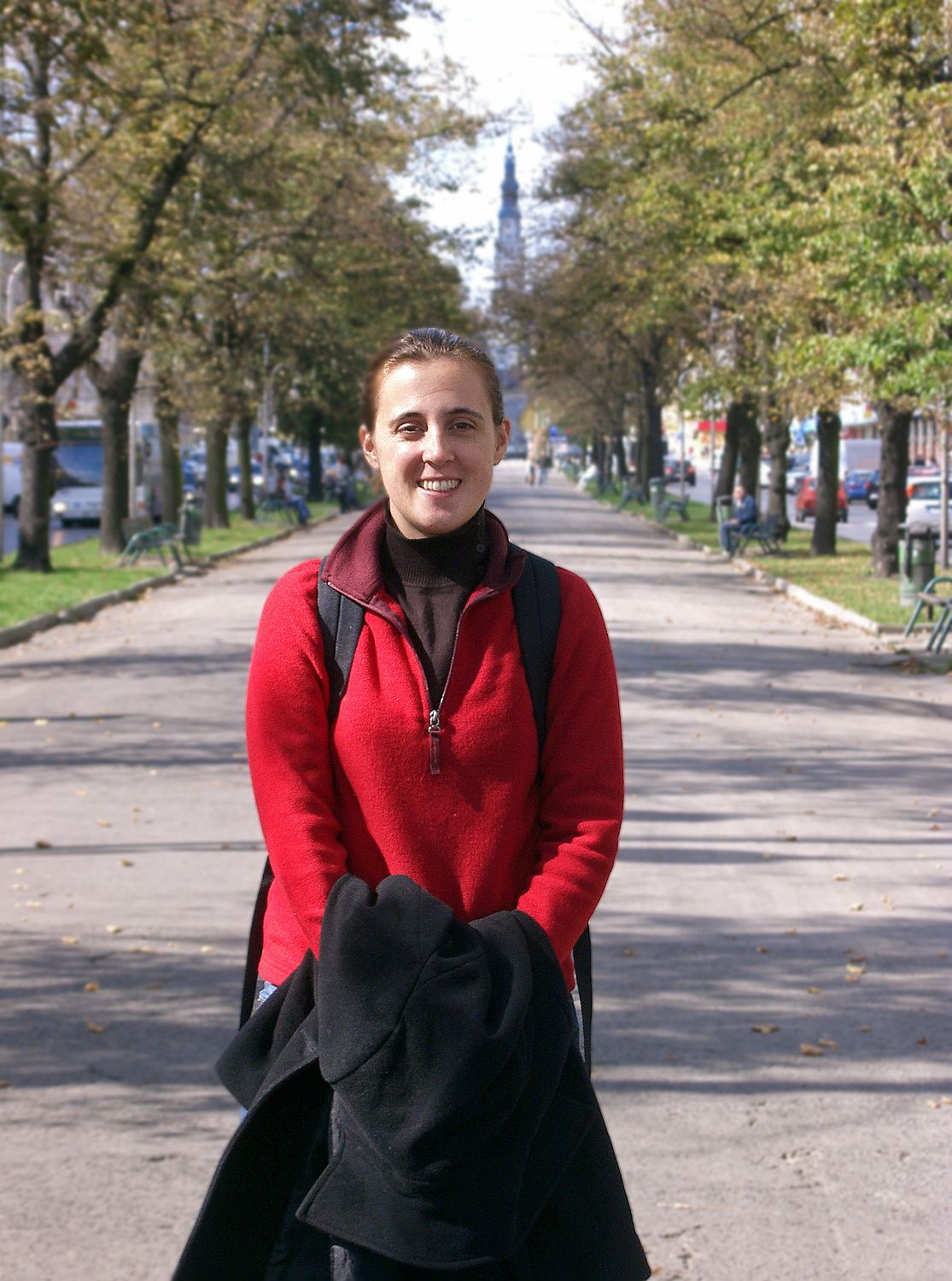 You can see the monastry in the distance. |
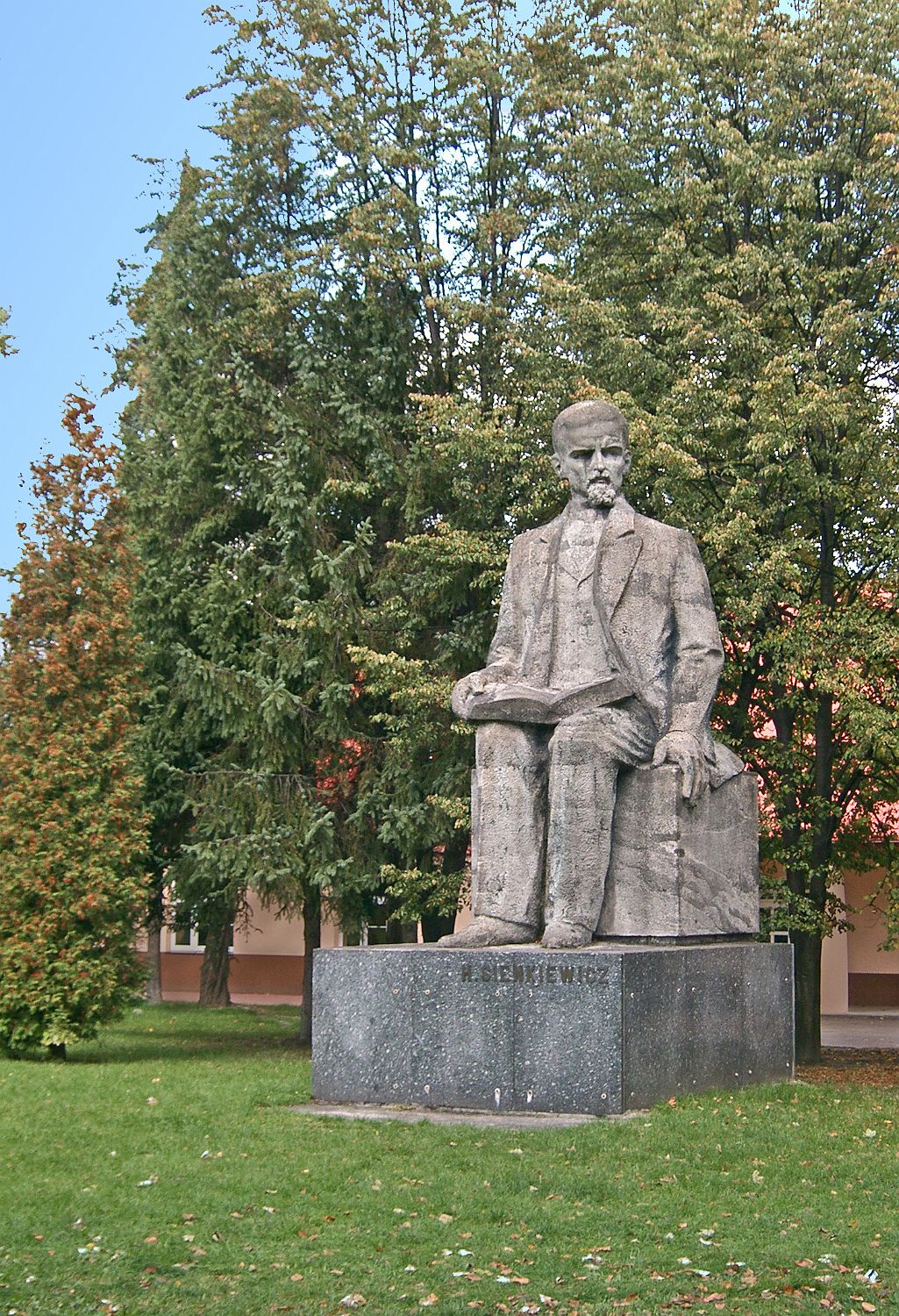 Statue in front of an English school along the way. |
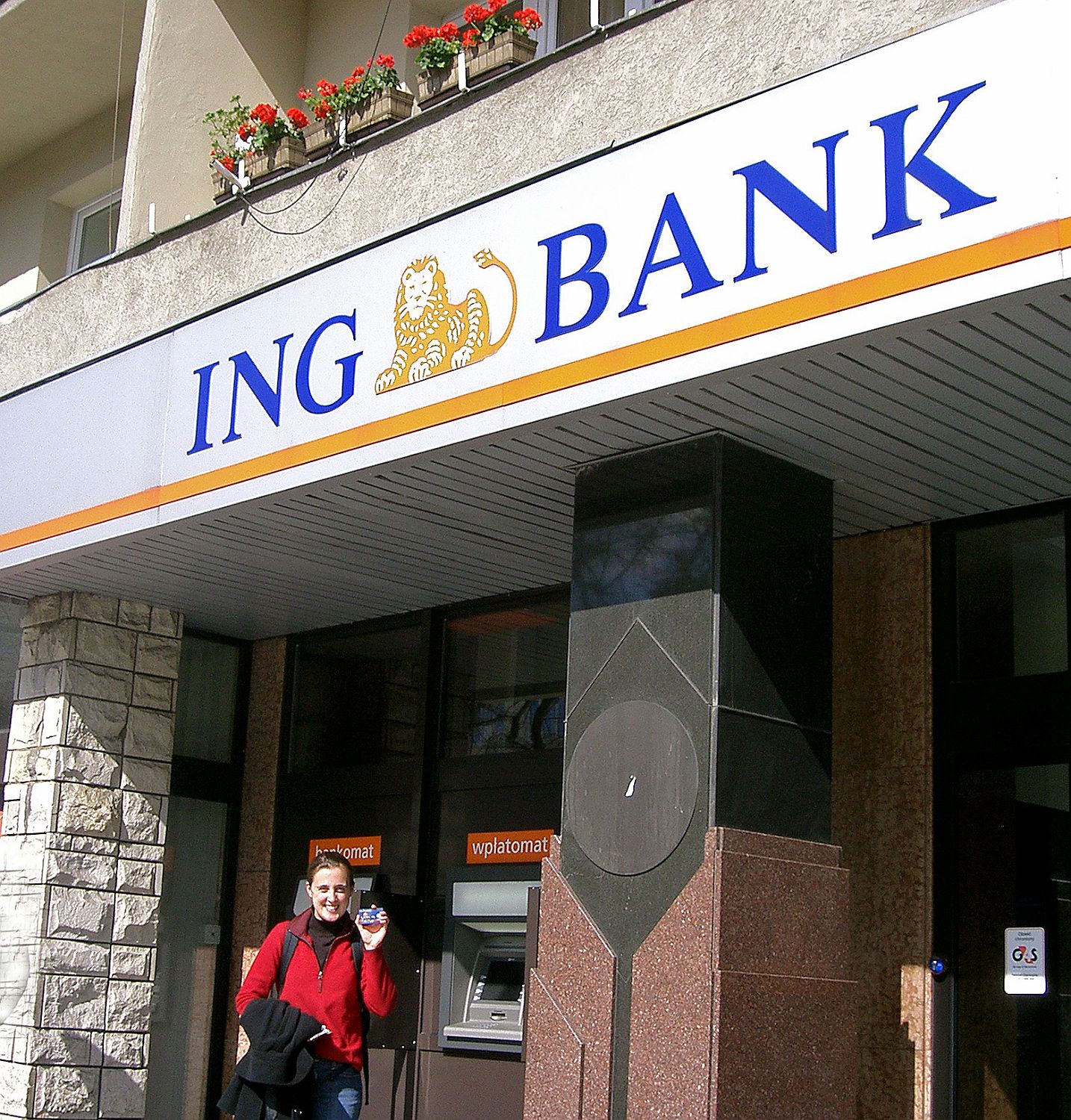 Surprised to see an actual ING bank, Samantha stops to try out her new ING ATM card. |
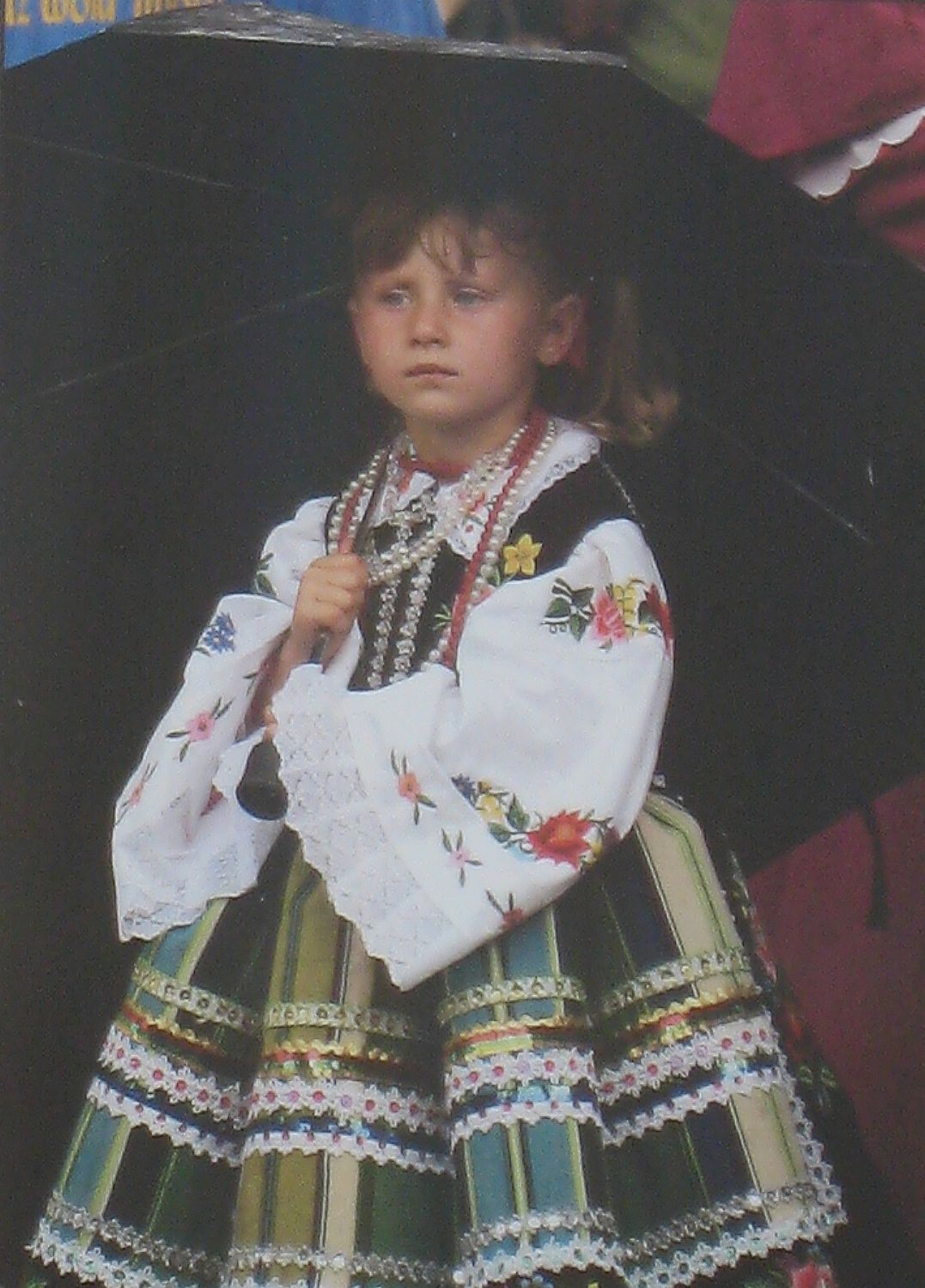 This poster was part of an exhibit along the avenue depicting this year's Feast of the Assumption festival. Check out the resemblance to Payton! |
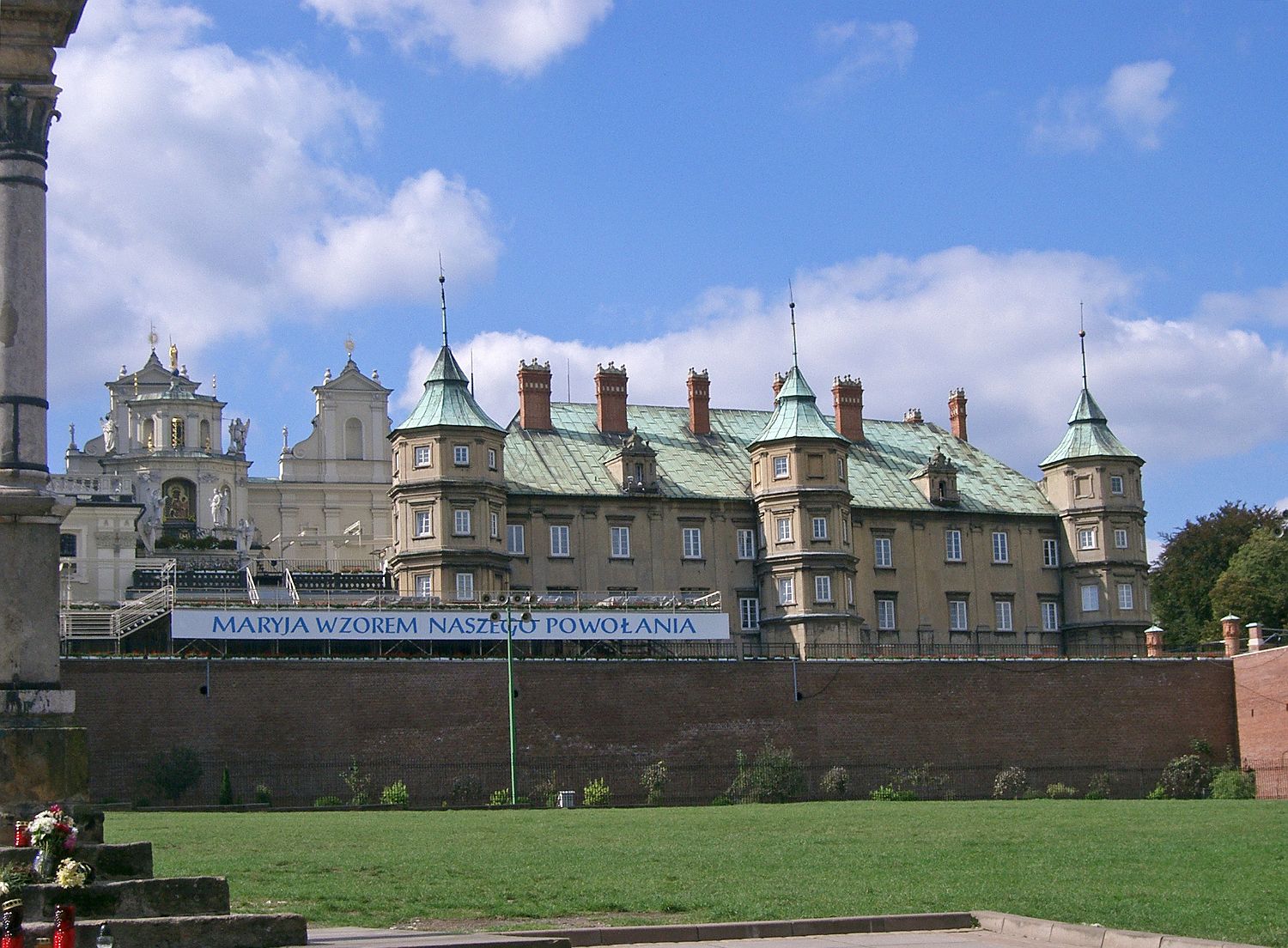 The Black Madonna is credited with miraculously saving the monastery of Jasna Góra from a 17th century Swedish invasion, The Deluge, which changed the course of the war. The Polish monks and fighting nobility were heavily outnumbered by the Swedish army but won against all odds. |
 |
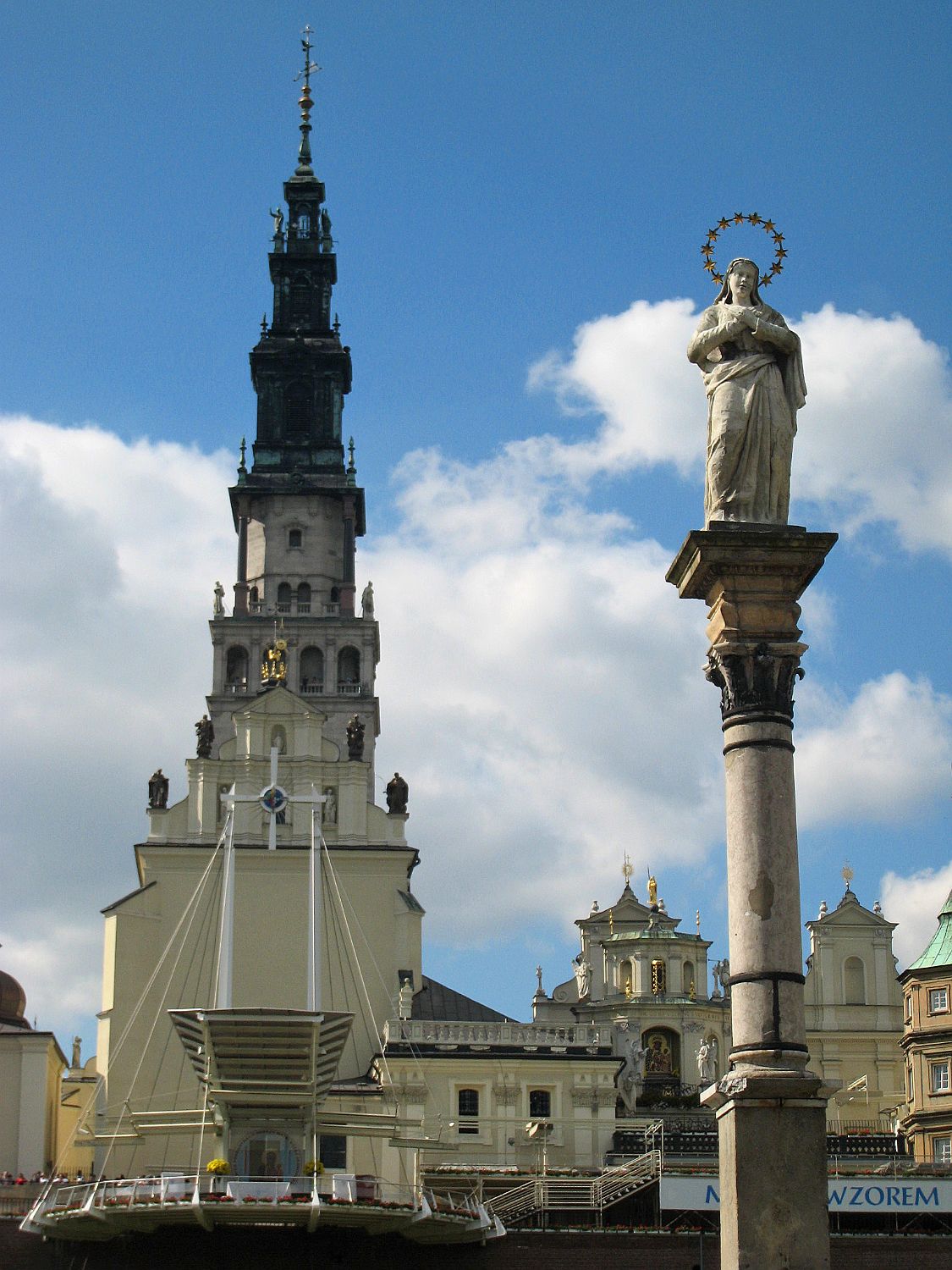 Among the buildings is a treasury which houses offerings given to the Black Madonna over the centuries, many from past kings, queens and popes. There are rosaries of dried bread made in the concentration camps. The Nobel Peace Prize won by Lech Walesa is here. |
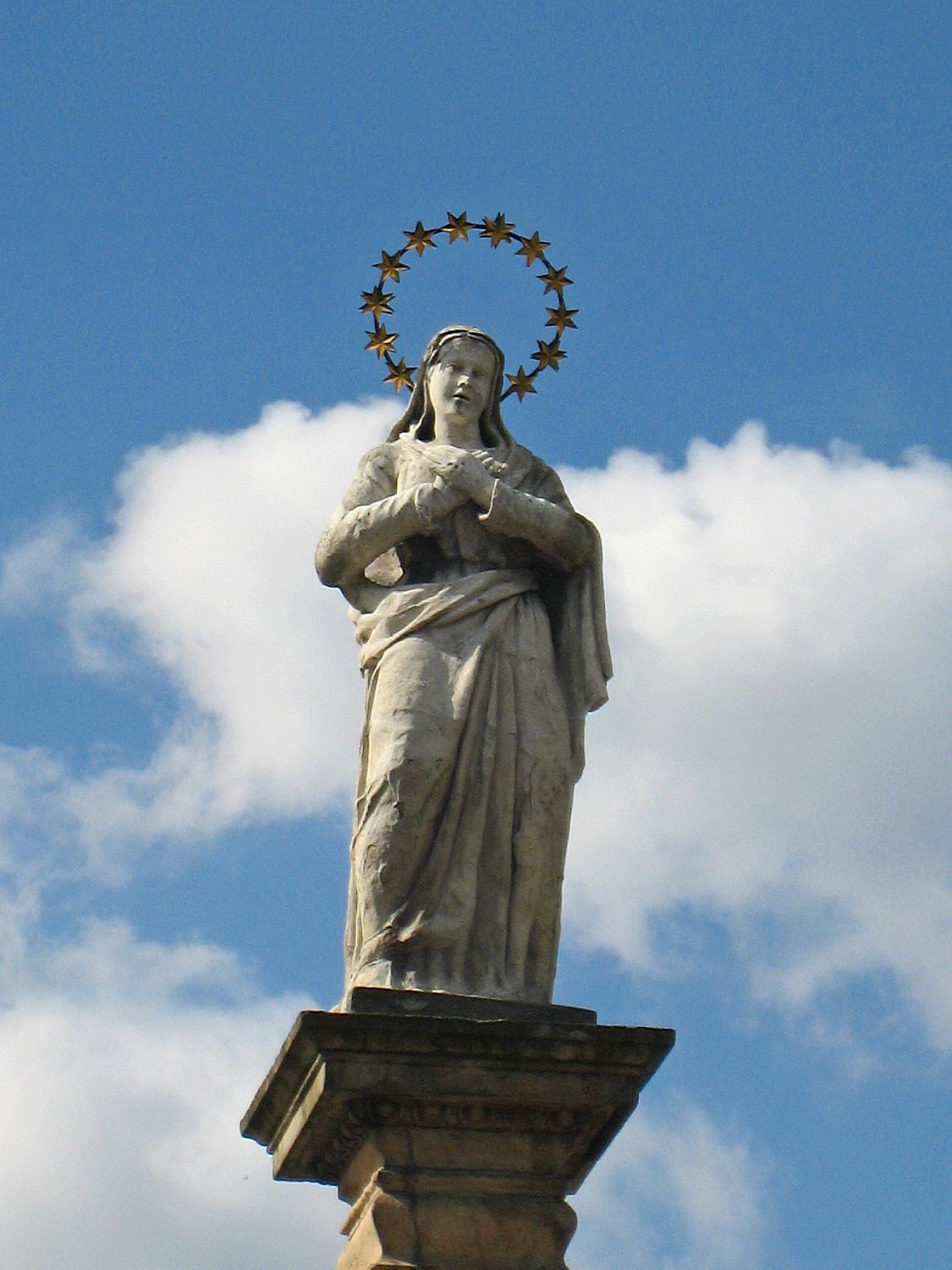 Samantha call this the "European Union Mary" because of the ring of stars around her head. |
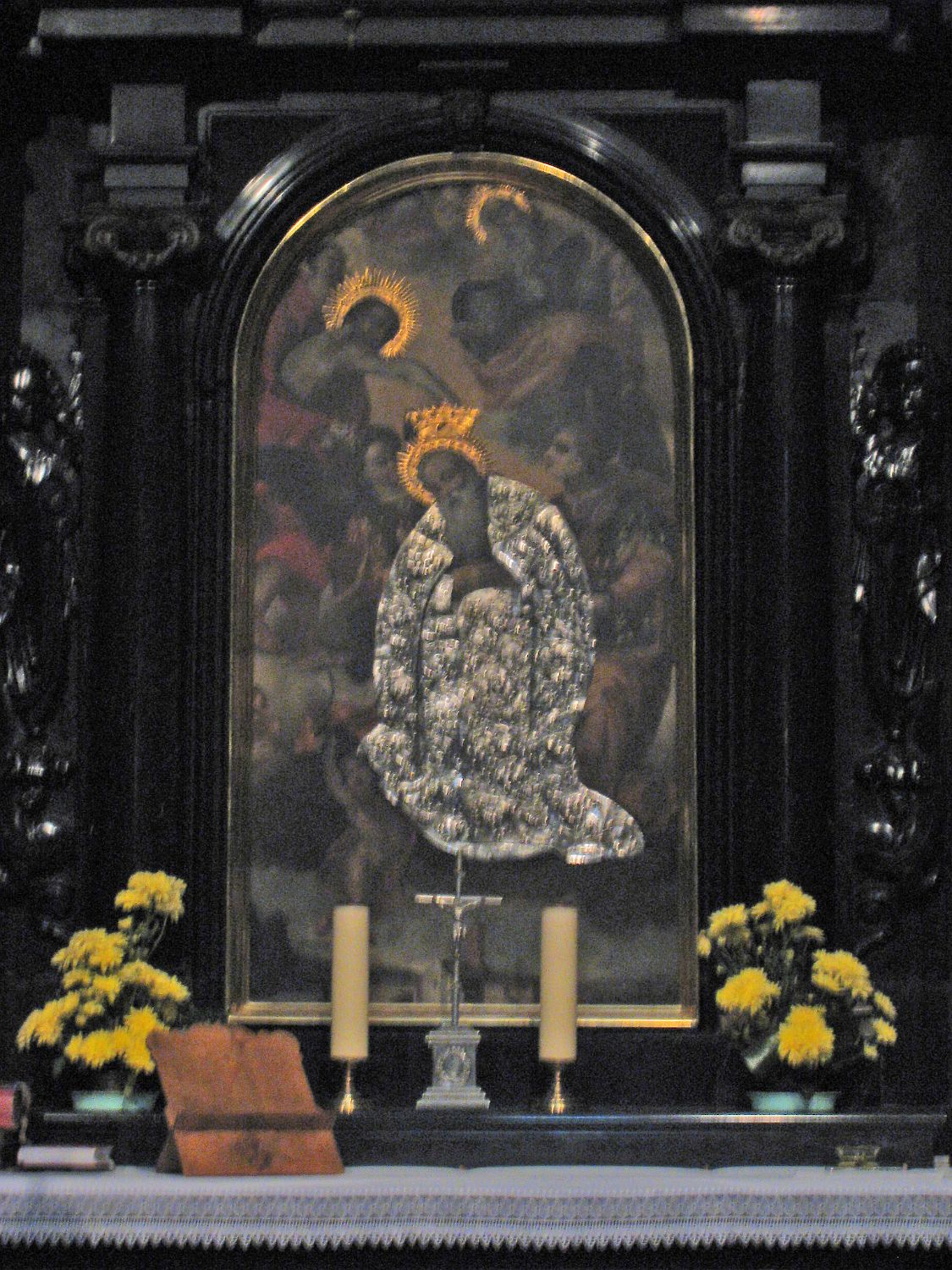 One of many chapels. Notice the metalic robe. |
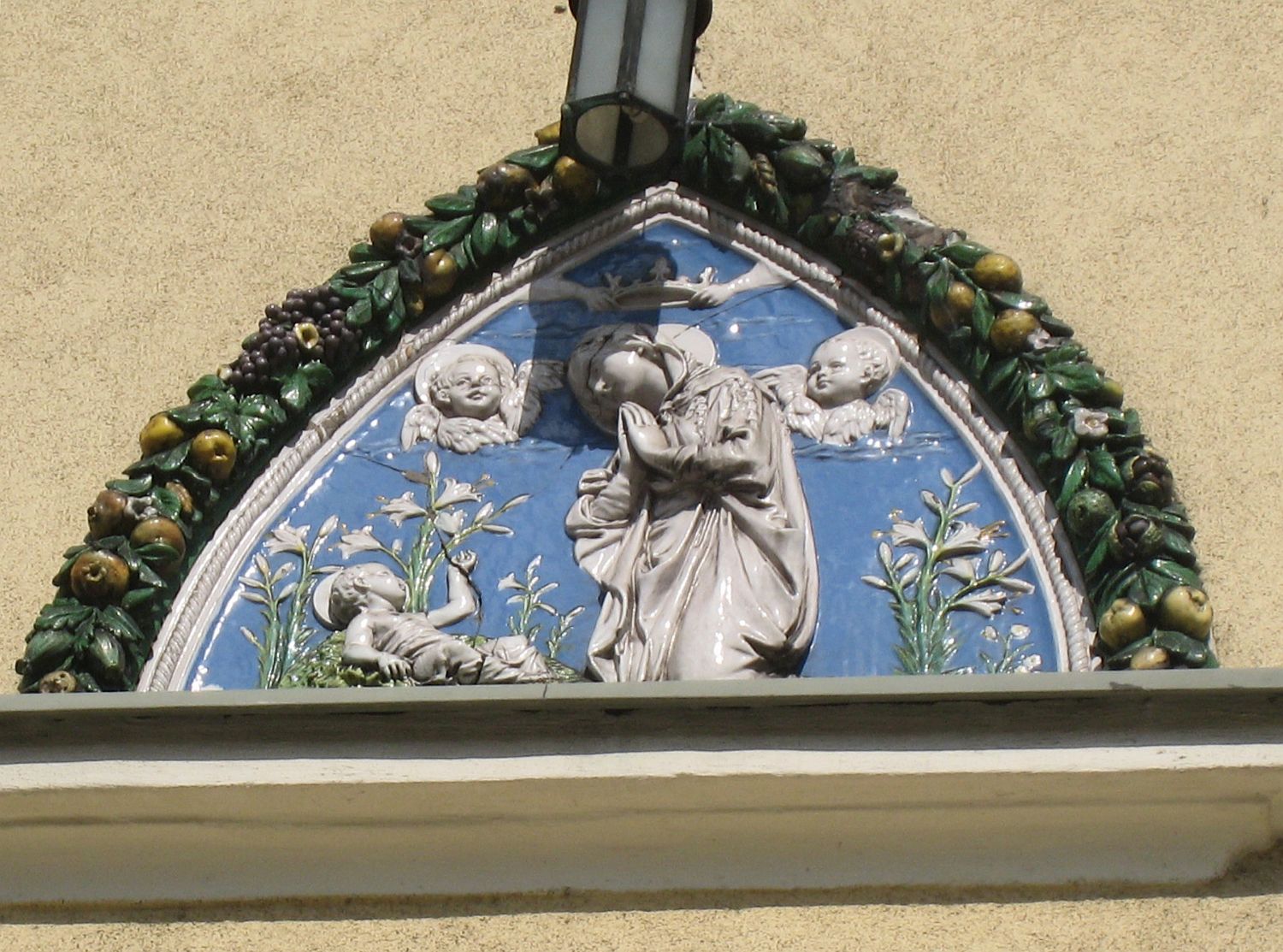 Ceramic features above a door. |
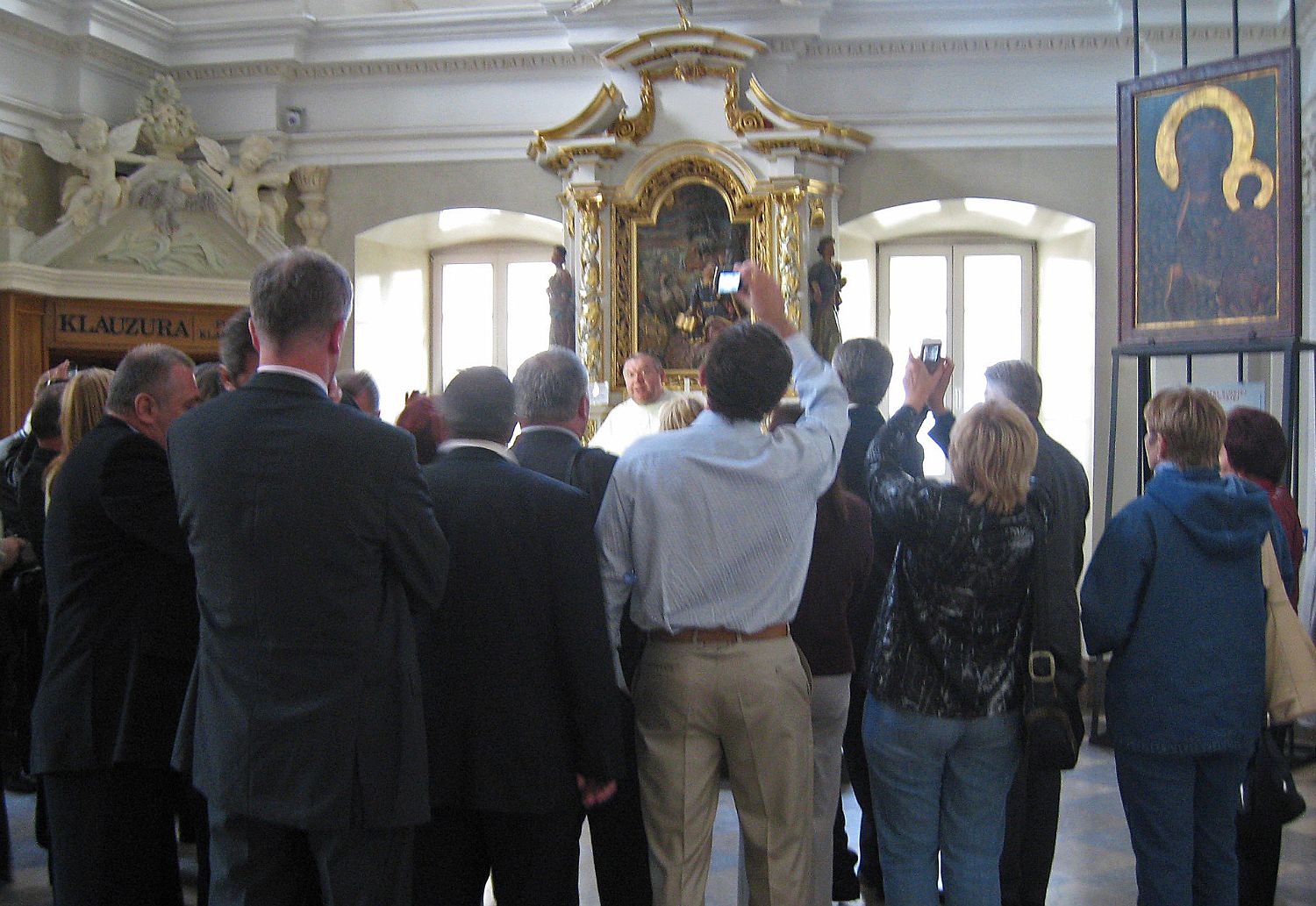 An offical making an announcement in Italian. Not sure who he was but everybody seem to think he was really important. Maybe from the Vatican? |
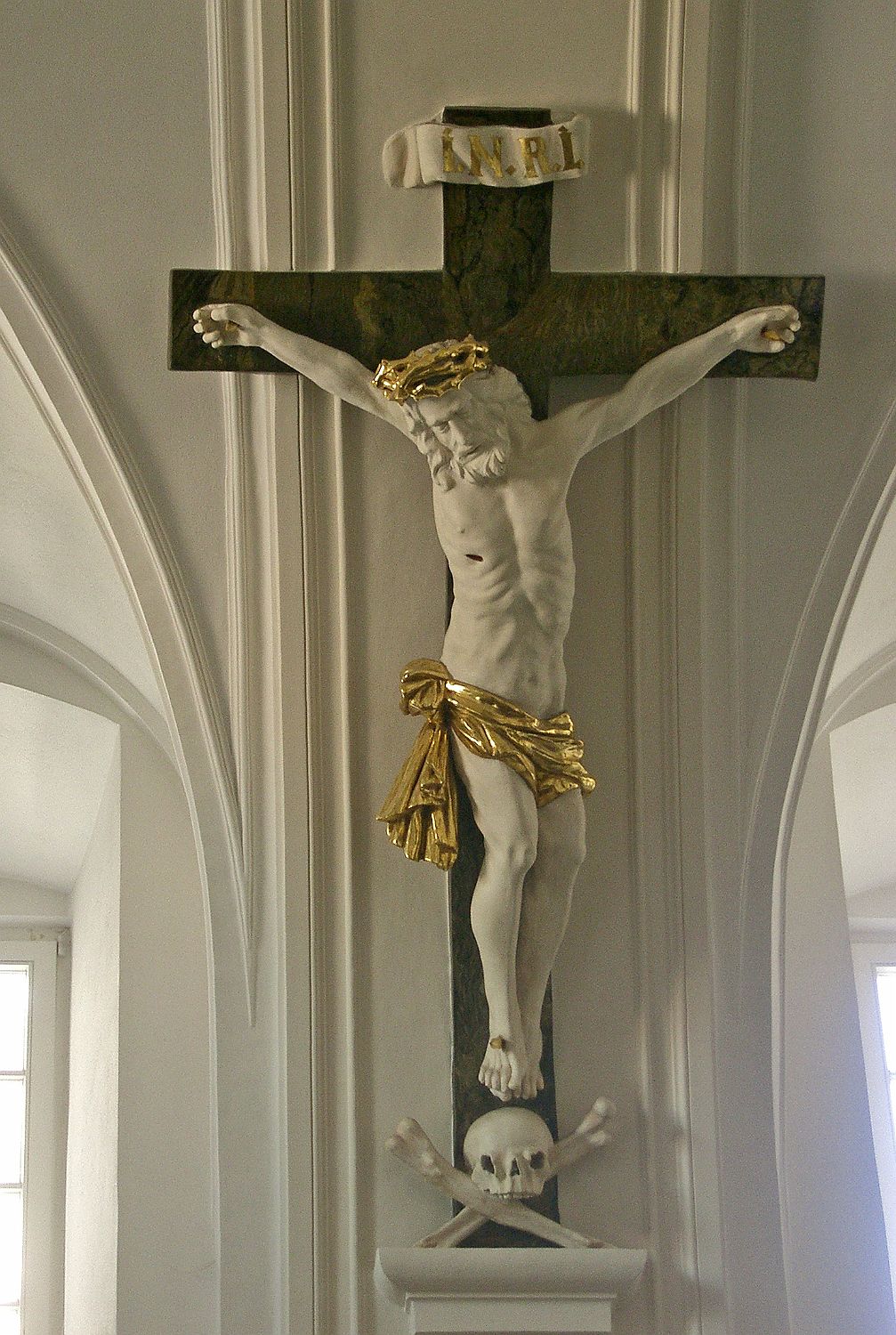 Interesting skull and bones at base of crucifix. |
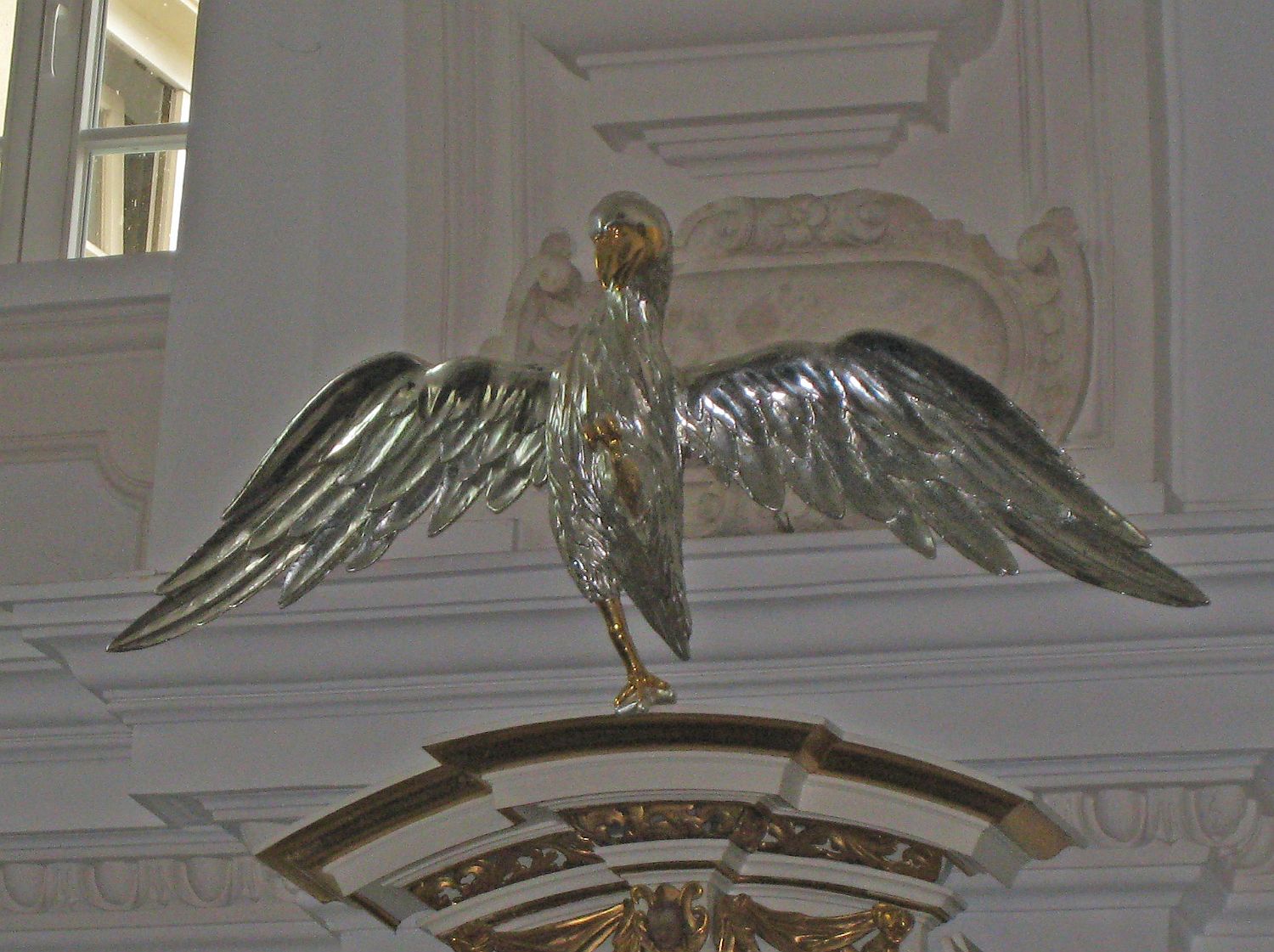 |
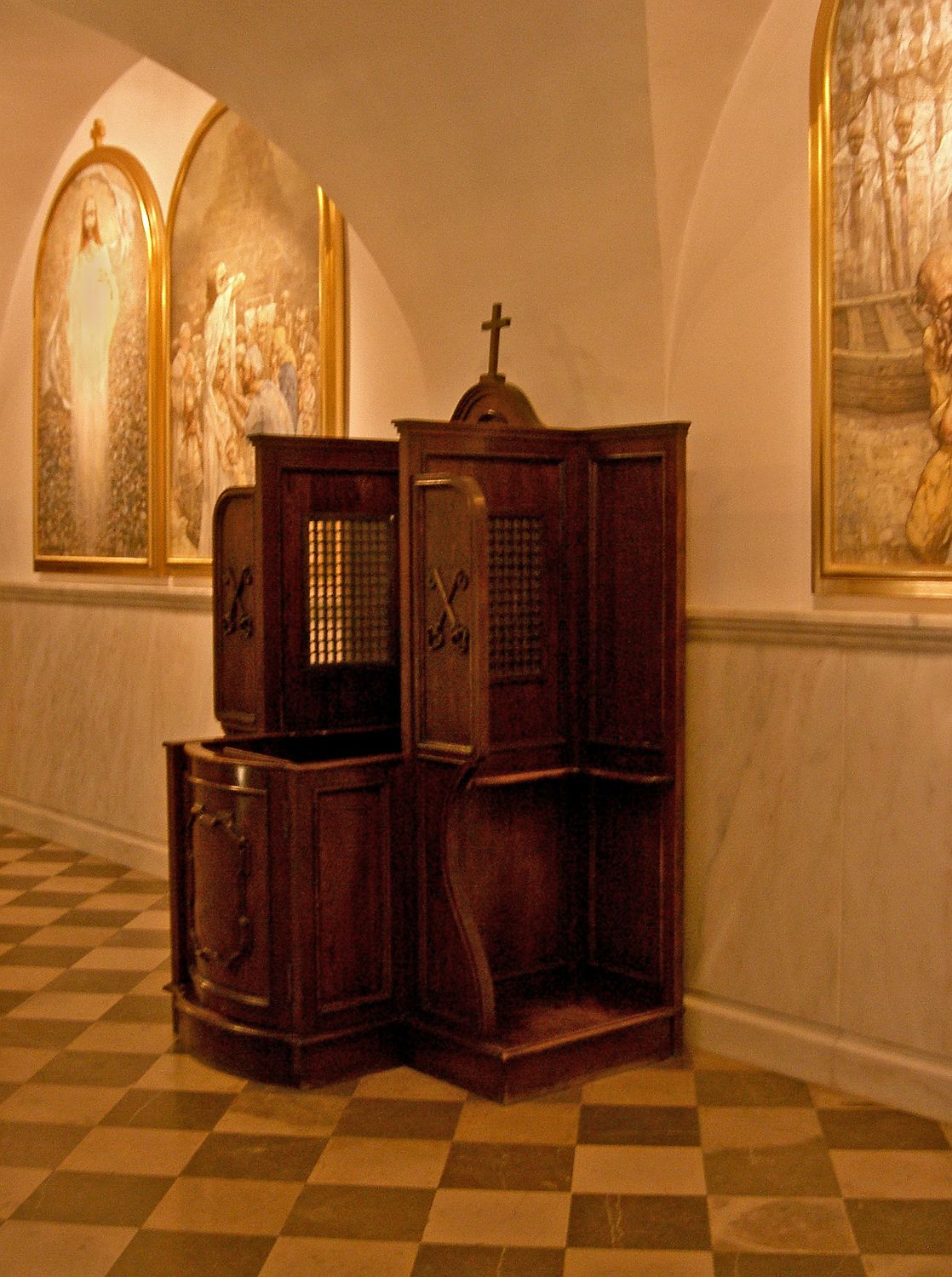 Open air confessional, also common in Krakow churches. |
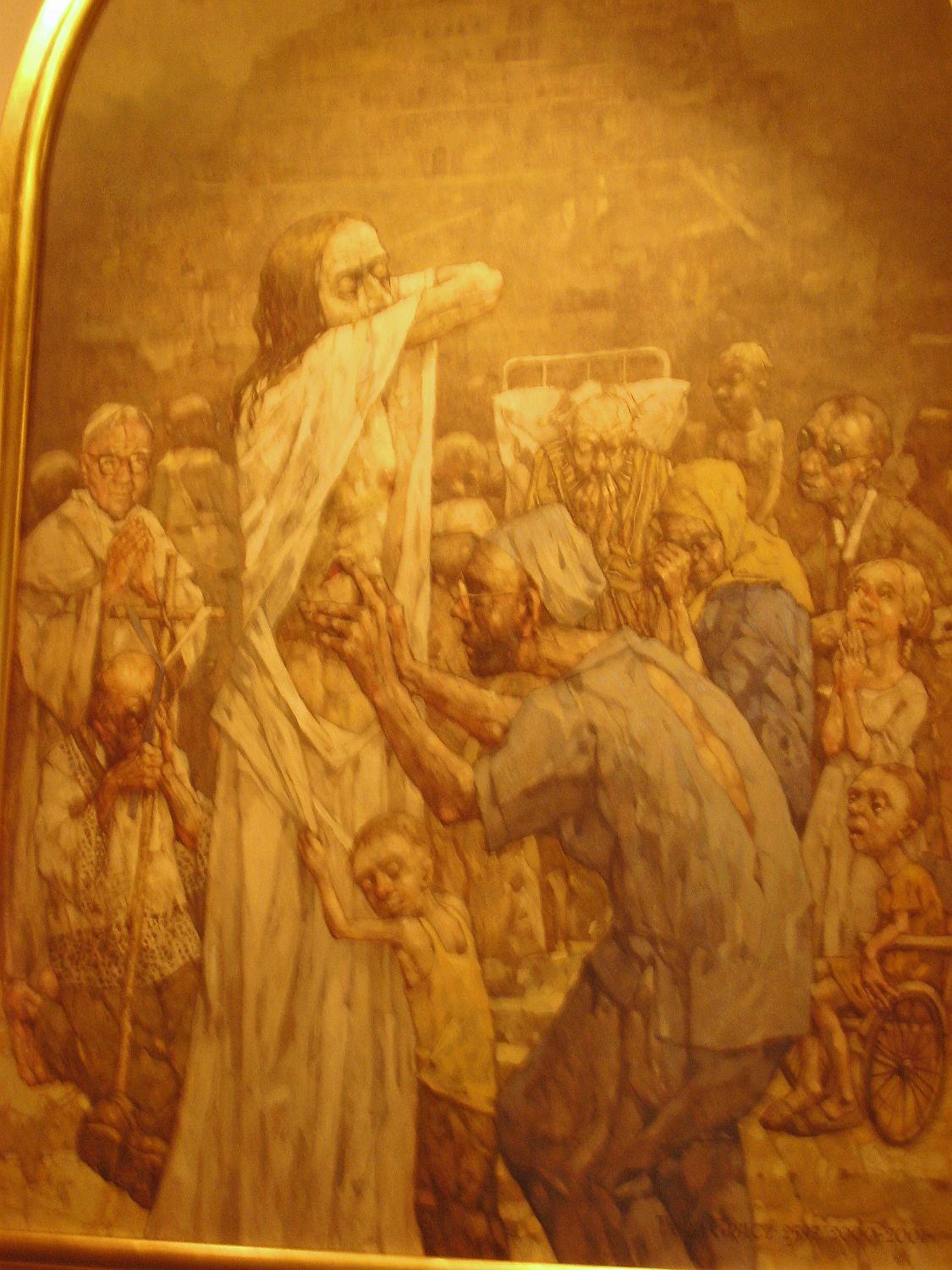 One in the series of modern paintings of the Stations of the Cross. Here a physican is examing Christ. People in the background are well known Poles. |
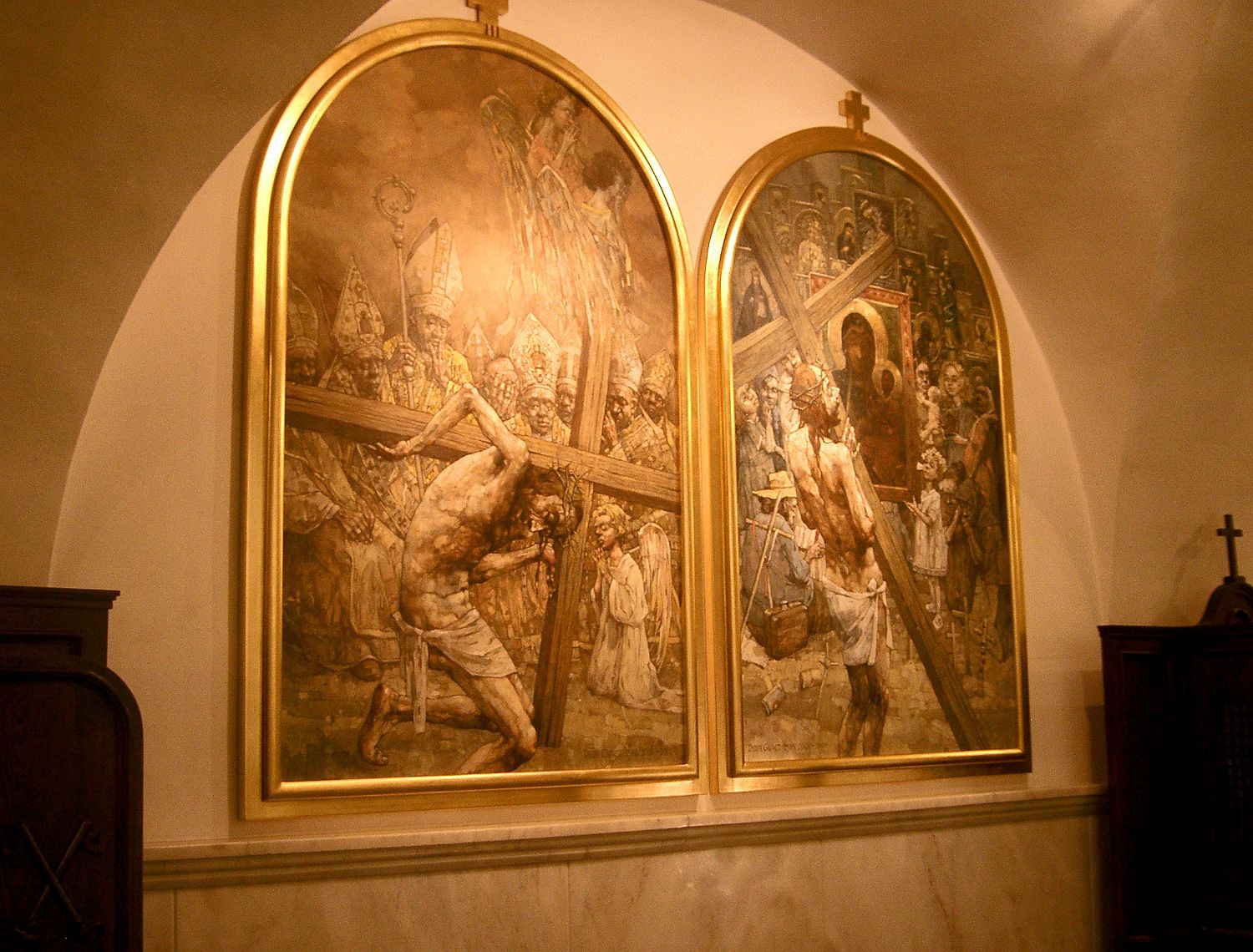 Pope John Paul II is one of the background figures. |
 |
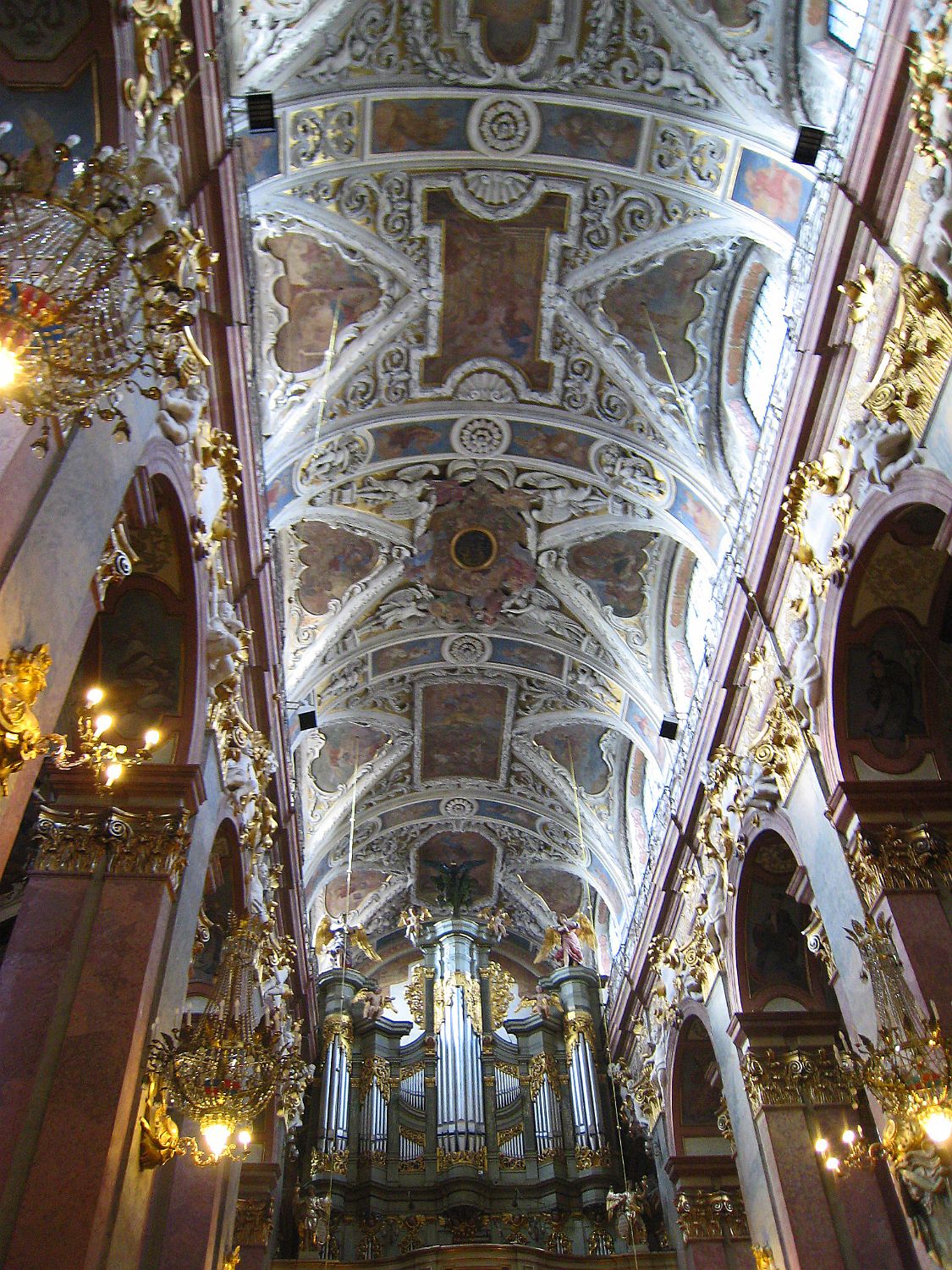 The main nave of the basilica. |
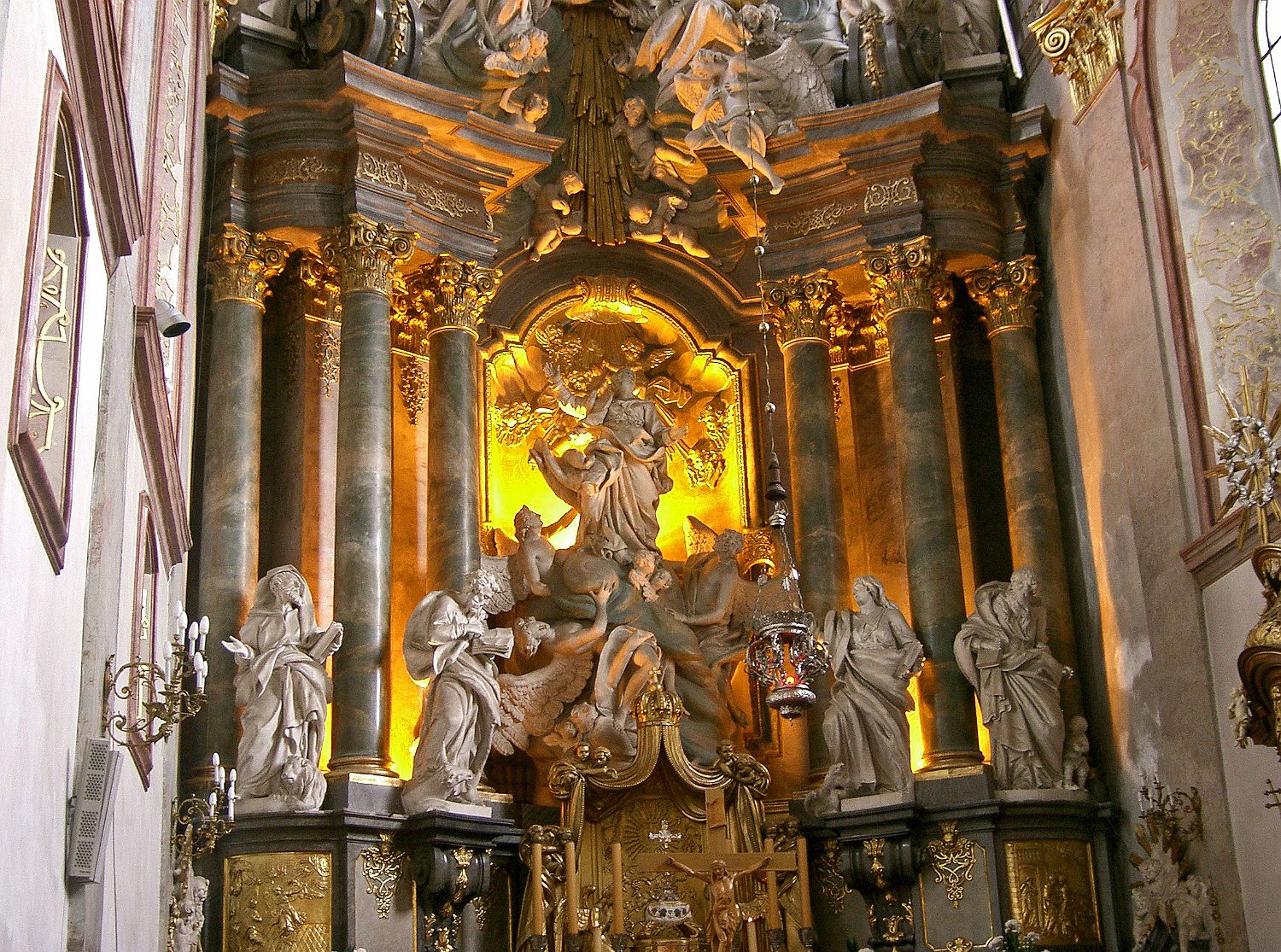 Main altar of the basilica. |
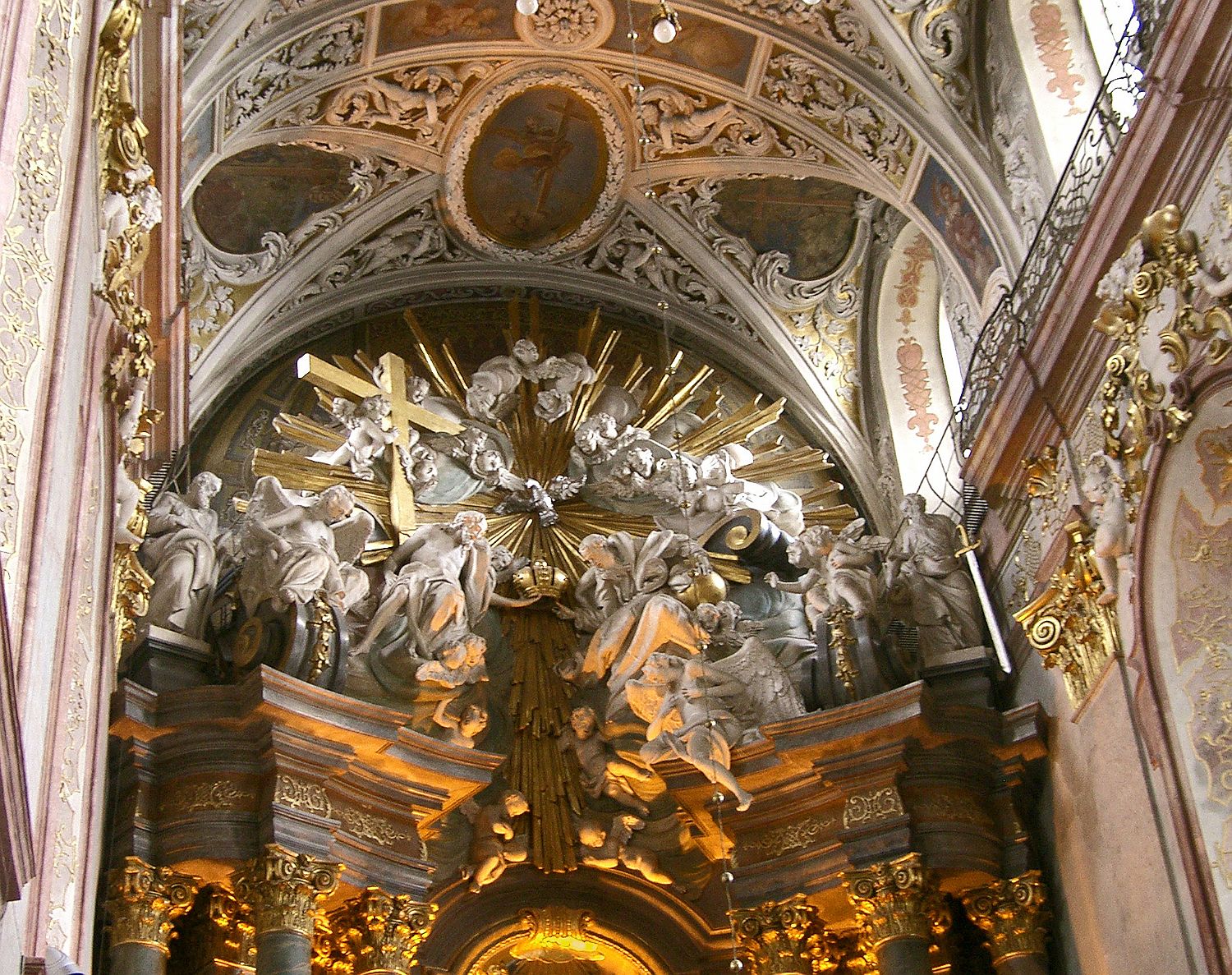 Looking up the altar to the 12 apostles. |
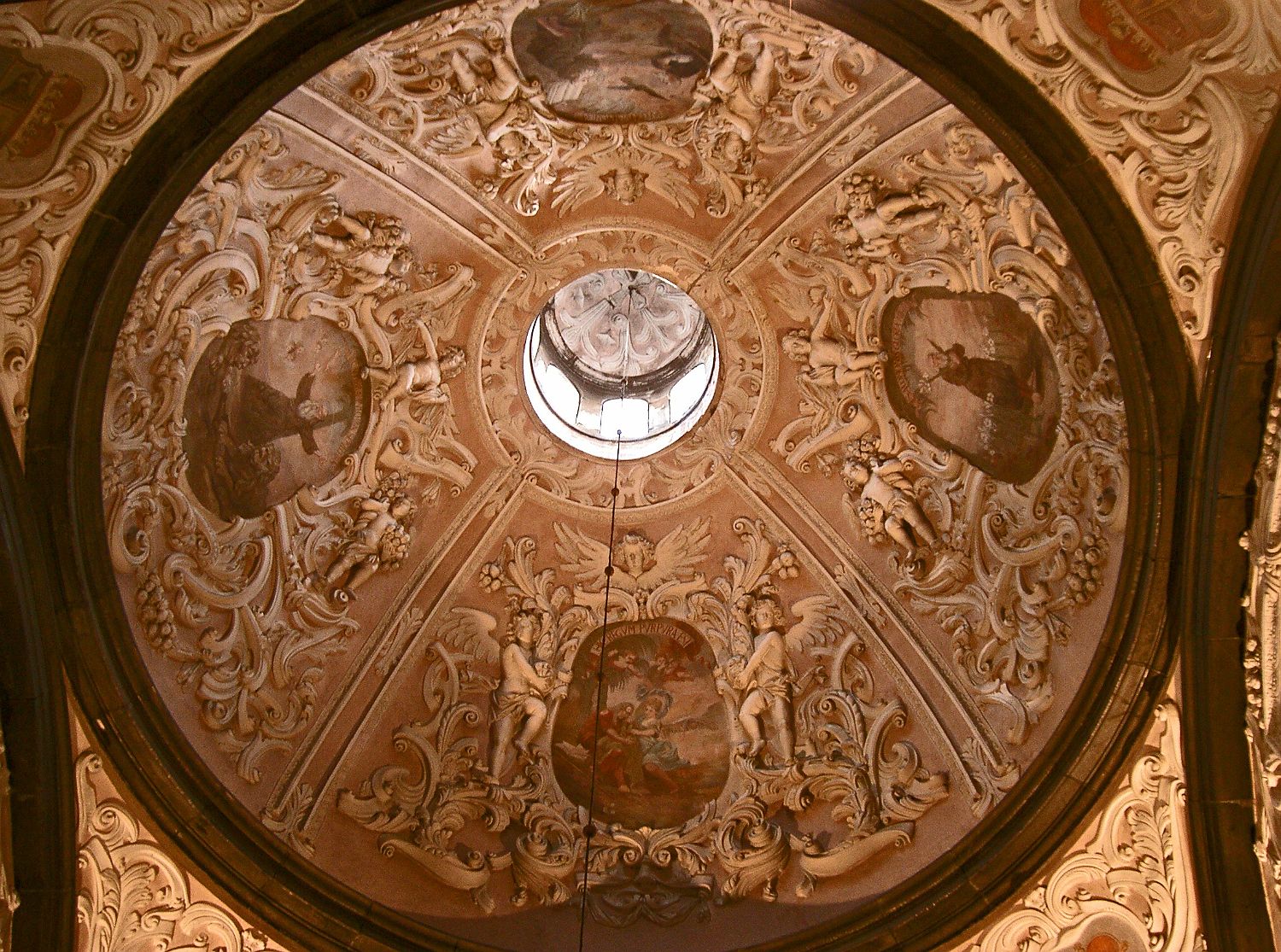 |
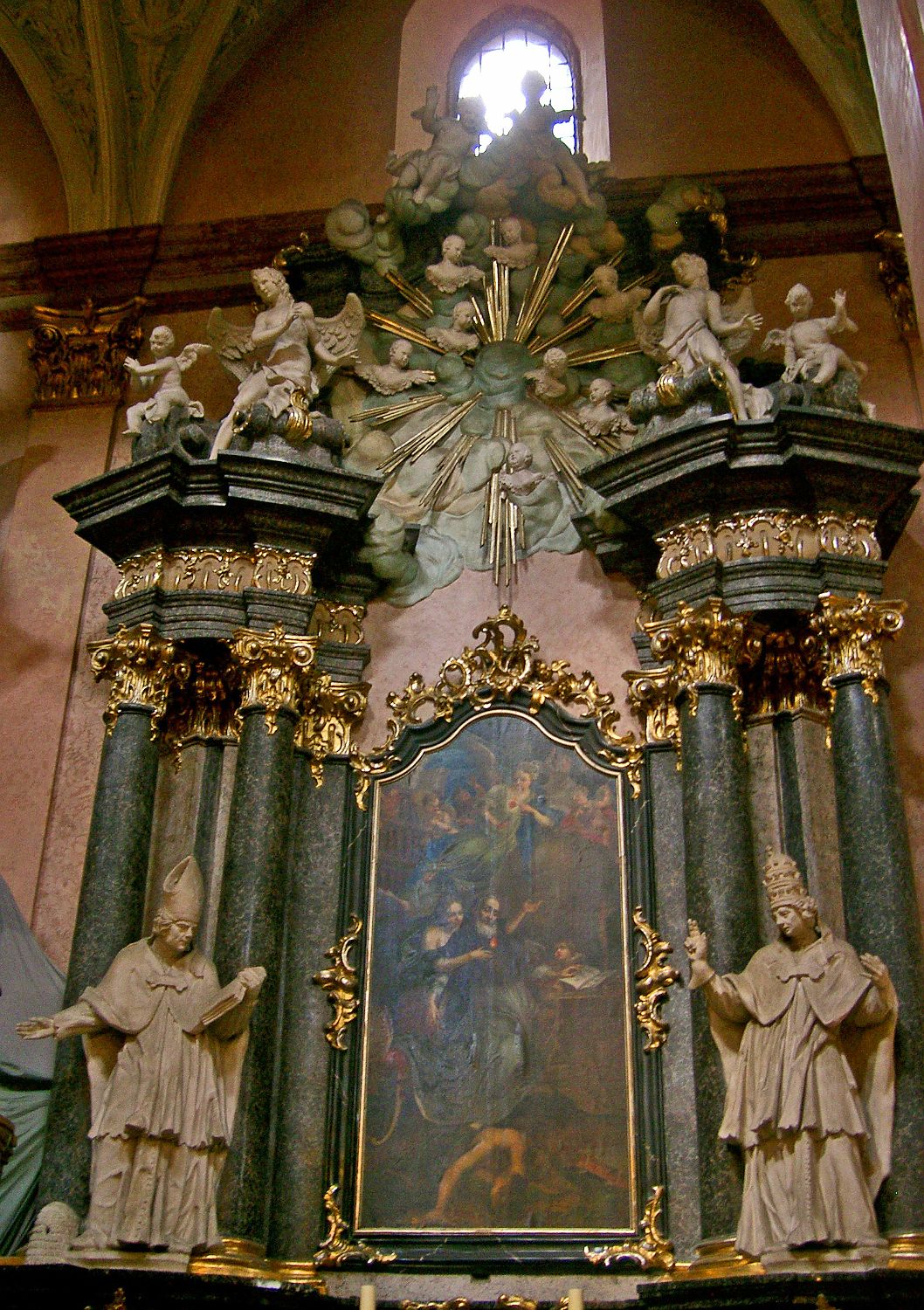
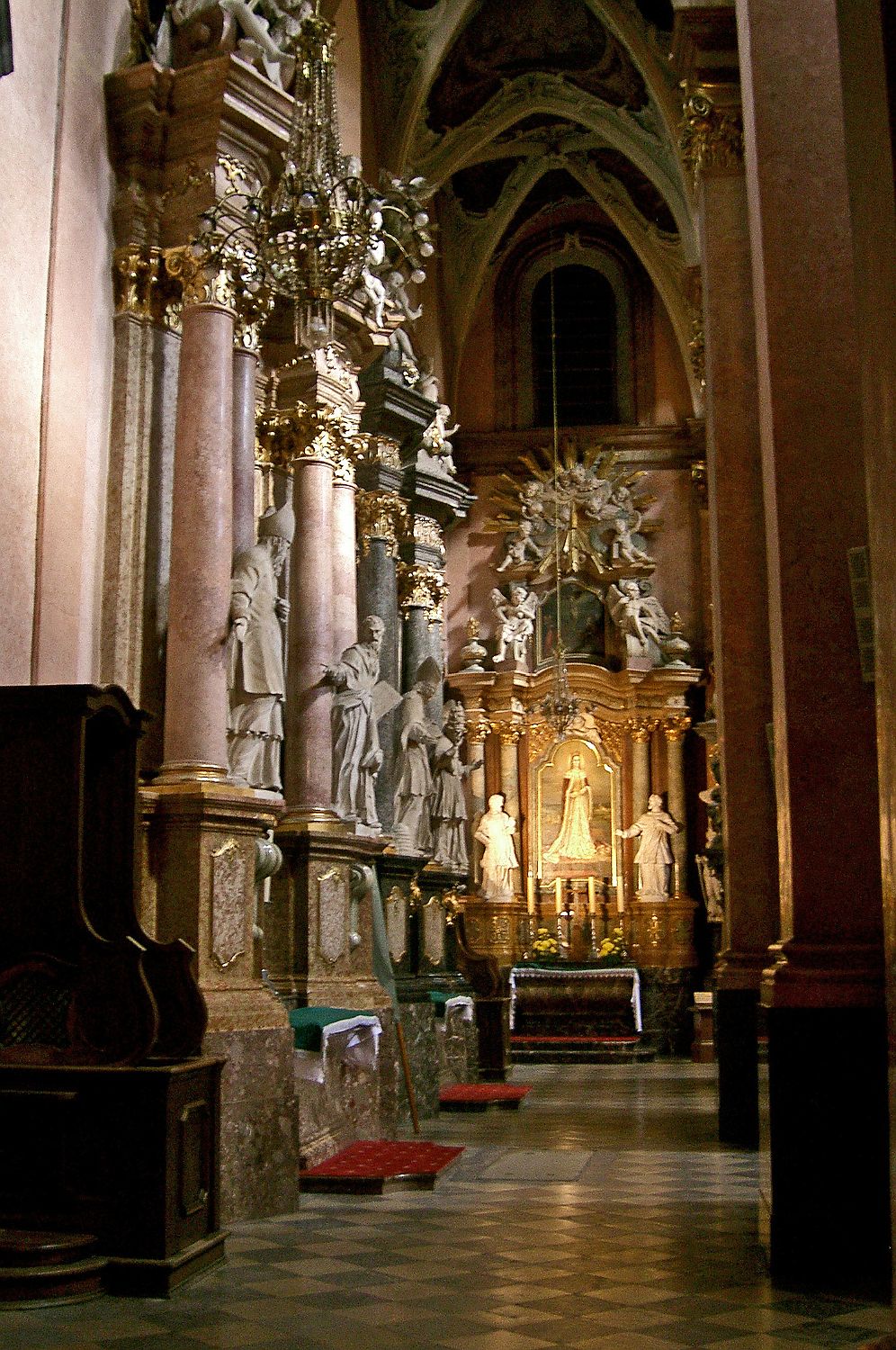 A side altar. |
 |
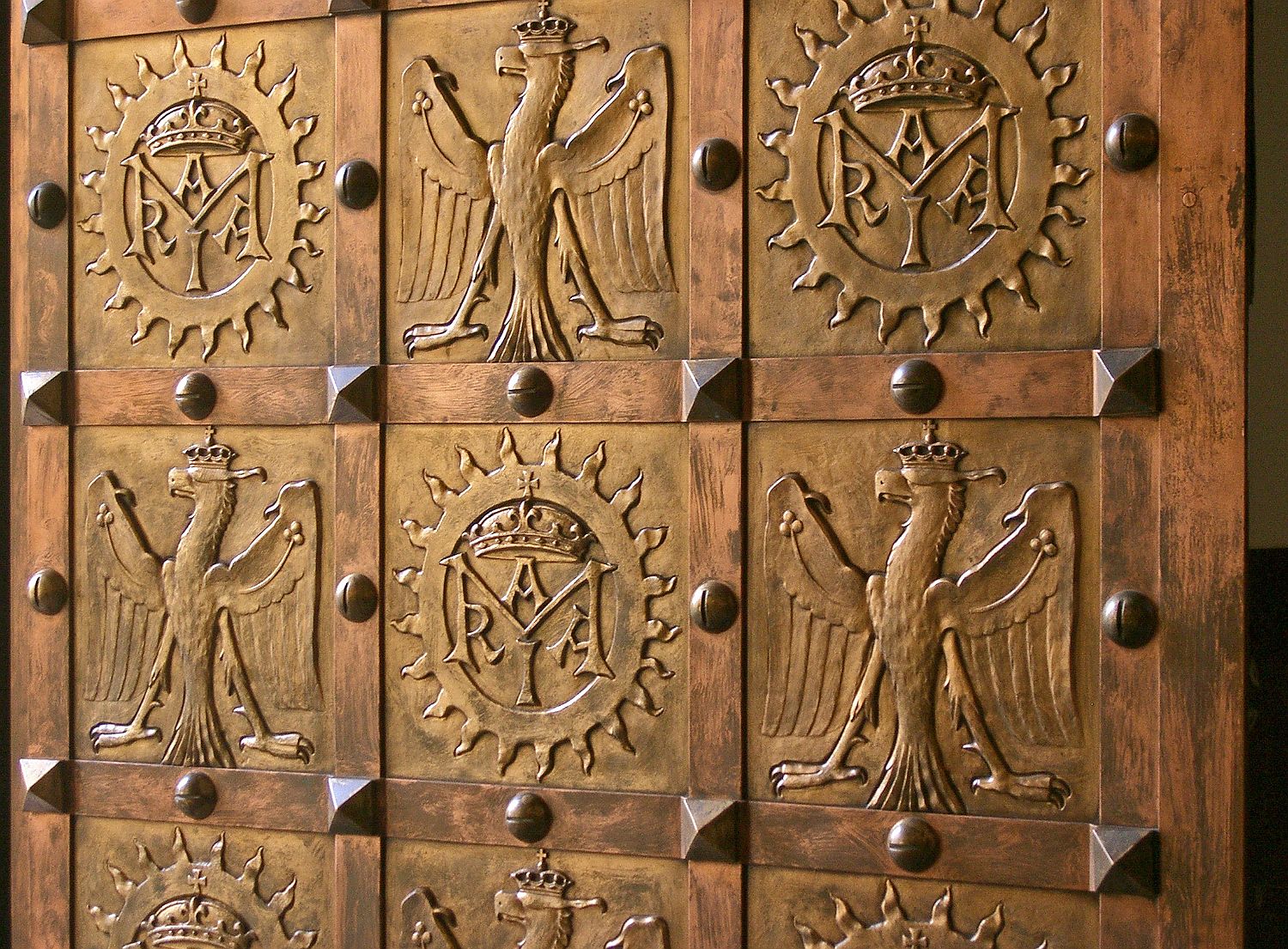 Door to the Black Madonna chapel. |
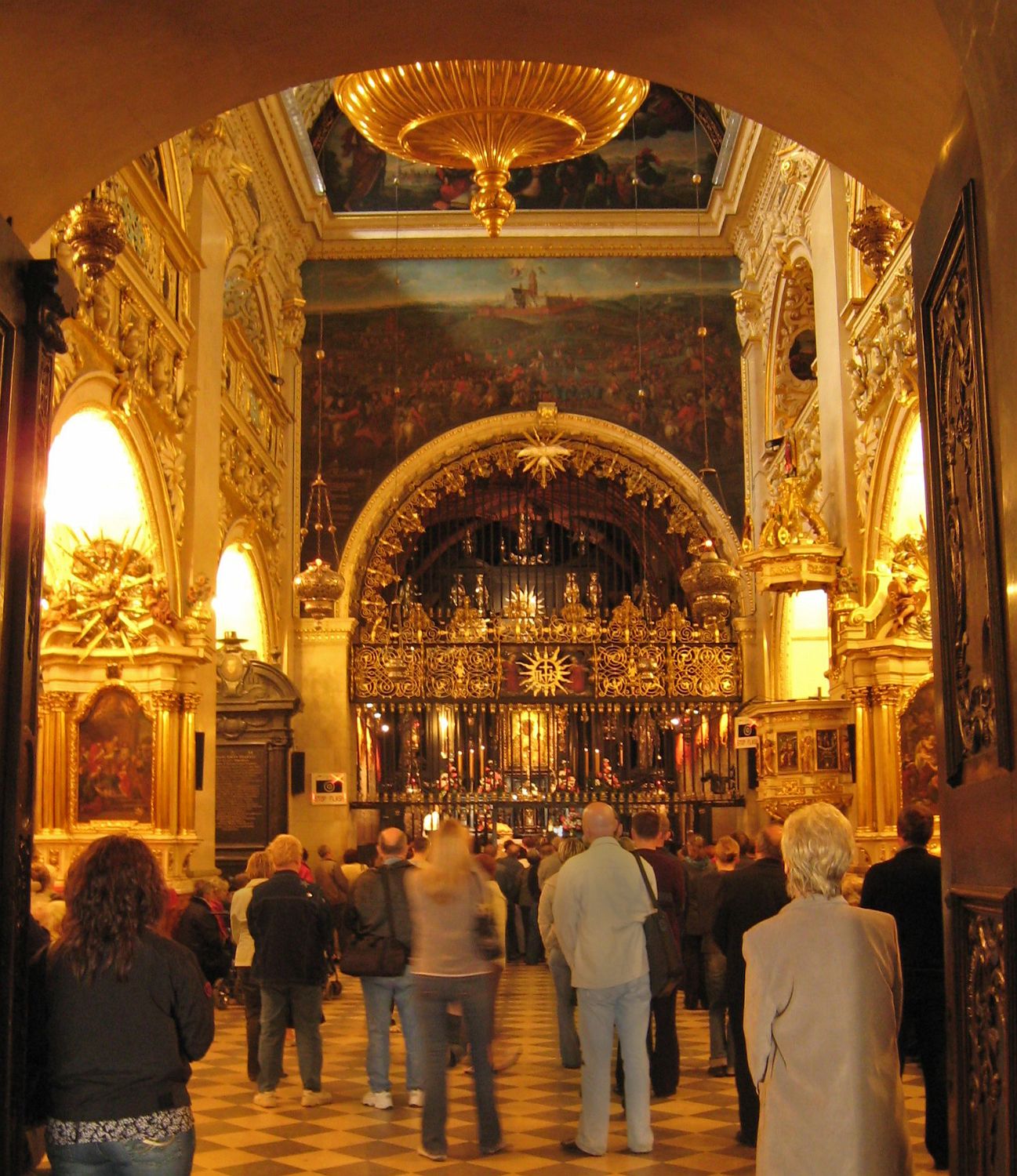 The Black Madonna Chapel. There are metal grids along the walls close to the altar for offerings, like amber necklaces or rosaries. |
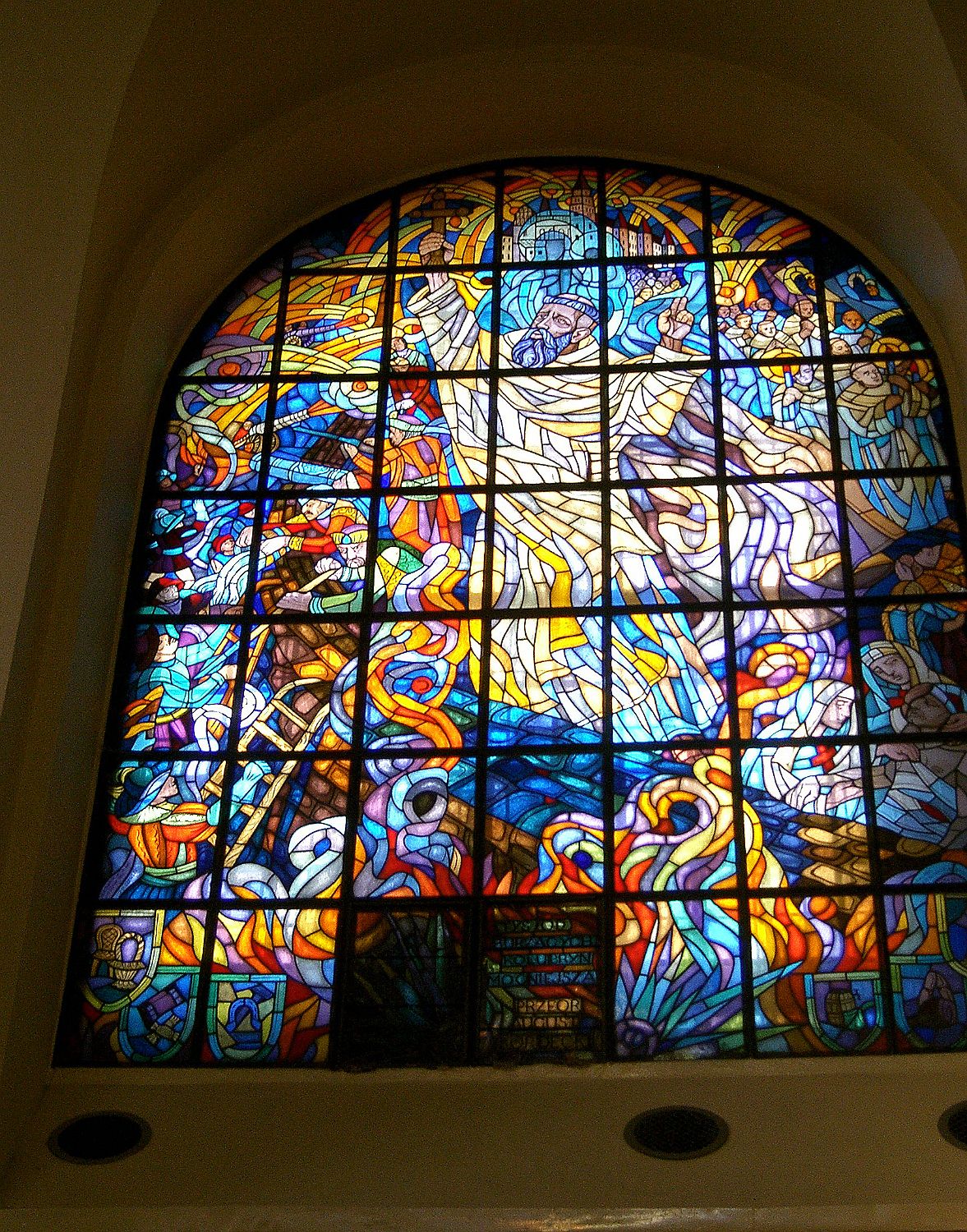
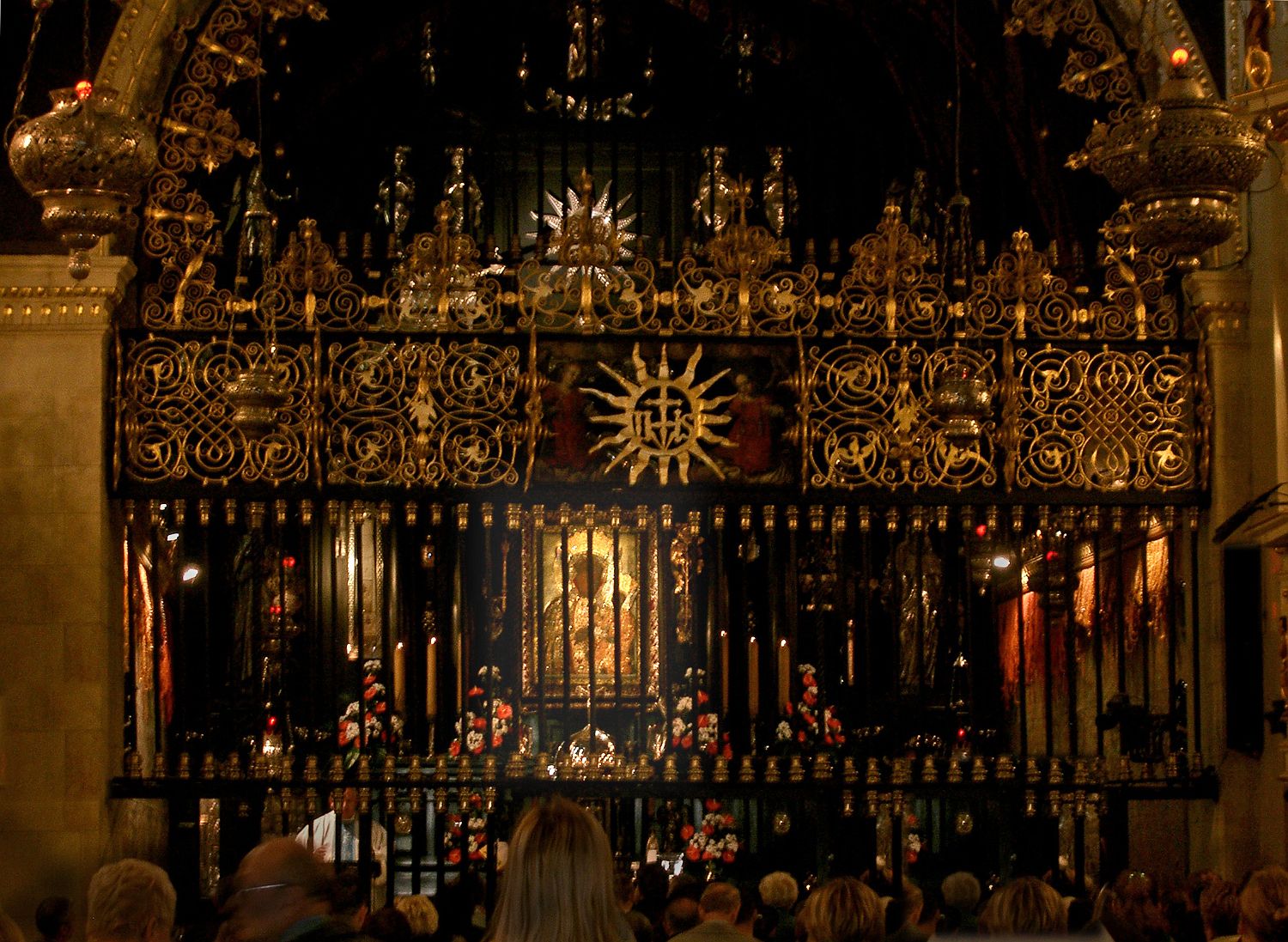 Another legend concerning the Black Madonna of Częstochowa is that the presence of the holy painting saved its church from being destroyed in a fire, but not before the flames darkened the fleshtone pigments. |
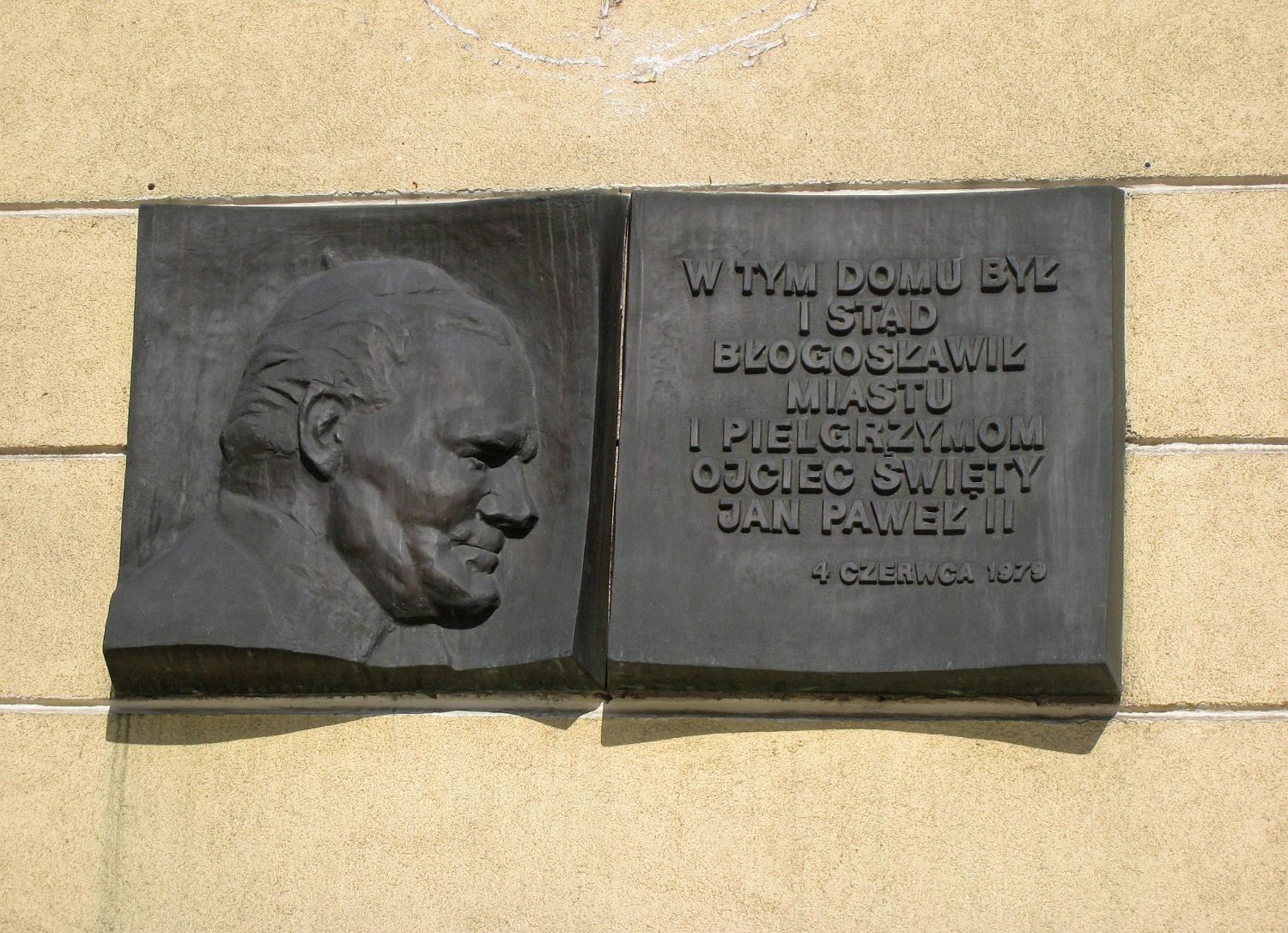 Pope John Paul II is well remembered here. It was estimated that 25% of the population of Poland came to Jasna Góra Monastery to hear him speak. |
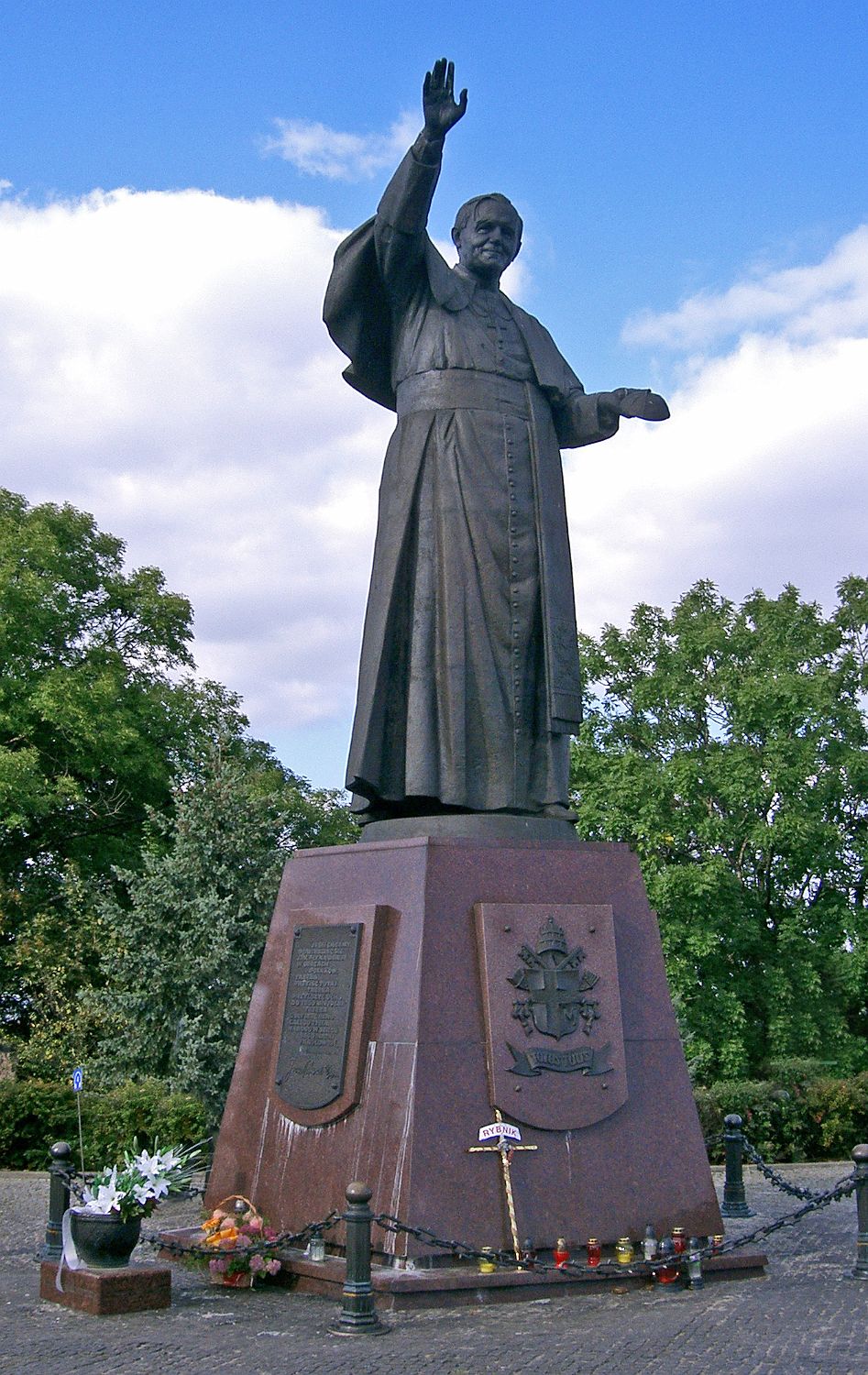 Pope John Paul II monument. |
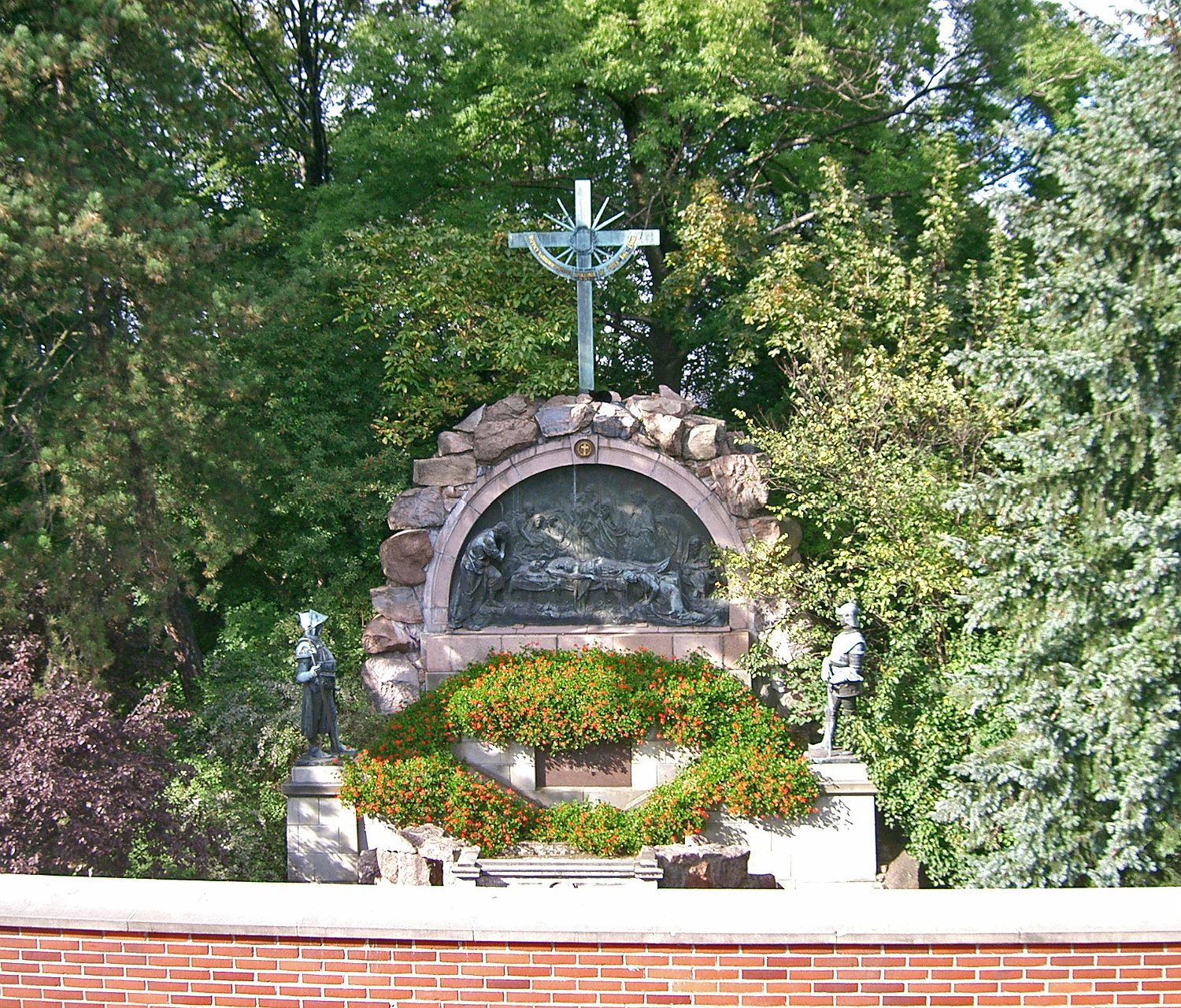 The Stations of the Cross surrond the monastry. |